
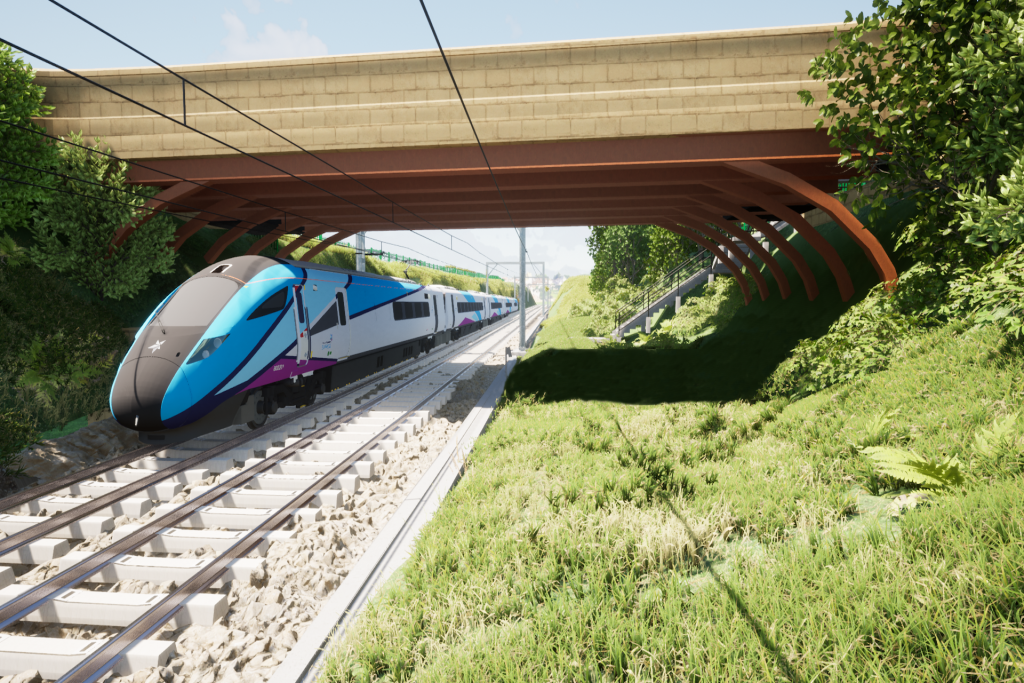

The upgrade of the railway linking Leeds and Micklefield receives approval, propelling the Transpennine Route Upgrade (TRU) forward.
- A Transport and Works Act Order (TWAO) has been granted, allowing the electrification of the railway section.
- Key infrastructure changes include replacing level crossings and reconstructing historic bridges to support electrification.
- The project aims to enhance rail reliability and frequency, bolstering transport integration in Northern England.
- Financial backing has soared, with the Department for Transport boosting investment to over £6.9 billion.
With the granting of the Transport and Works Act Order (TWAO), the ambitious Transpennine Route Upgrade (TRU) is set to advance, focusing on the electrification of the railway from Leeds to Micklefield. This development represents a significant milestone in improving rail connectivity between major Northern cities, enhancing both passenger and freight transport services.
The authorisation of the TWAO by the Department for Transport marks a pivotal turning point, enabling extensive works that include the upgrade of level crossings and reconstruction of bridges. Among the notable undertakings is the transformation of Barrowby Lane and Barrowby Foot crossings into accessible bridleway footbridges, thereby facilitating a safer passage for varied commuters, including equestrians.
Further structural modifications involve the historic Crawshaw Woods bridge, celebrated as the oldest cast iron bridge still operational over a railway, which will be carefully elevated to permit electrification. Additionally, crucial viaduct and road bridge replacements at key locations in Leeds enhance the route’s capacity to support electrified trains.
The TWAO also empowers the TRU team with extensive rights, such as land acquisition and the alteration of public highways, ensuring a streamlined execution of the upgrade. These powers are crucial for efficient coordination of infrastructural adjustments and minimising disruption during construction.
According to Adam Sellers, the senior project sponsor, the TWAO’s approval is a substantial victory, accelerating the delivery of faster and more dependable rail service. The collaboration with rail industry partners remains integral, ensuring continued progress across the Yorkshire and North West corridors.
The financial landscape of the TRU project has dramatically evolved. Initially estimated at £2.9bn, recent forecasts place costs between £9bn and £11.5bn. Government funding has increased significantly, with £6.9 billion confirmed, and further financial support anticipated as work progresses, underlining the critical economic role of this infrastructure enhancement.
Despite delays and challenges since its inception, the project continues to show positive progress. It aims to integrate digital signalling and expand track capacity from two to four lines in key segments. Recent achievements include the energisation of the section between Church Fenton and Colton Junction and successful test runs of electric trains, reflecting the tangible advancements of TRU’s transformative vision.
The Leeds to Micklefield upgrade marks a critical juncture in modernising Northern England’s rail infrastructure, promising enhanced connectivity and economic growth.

