
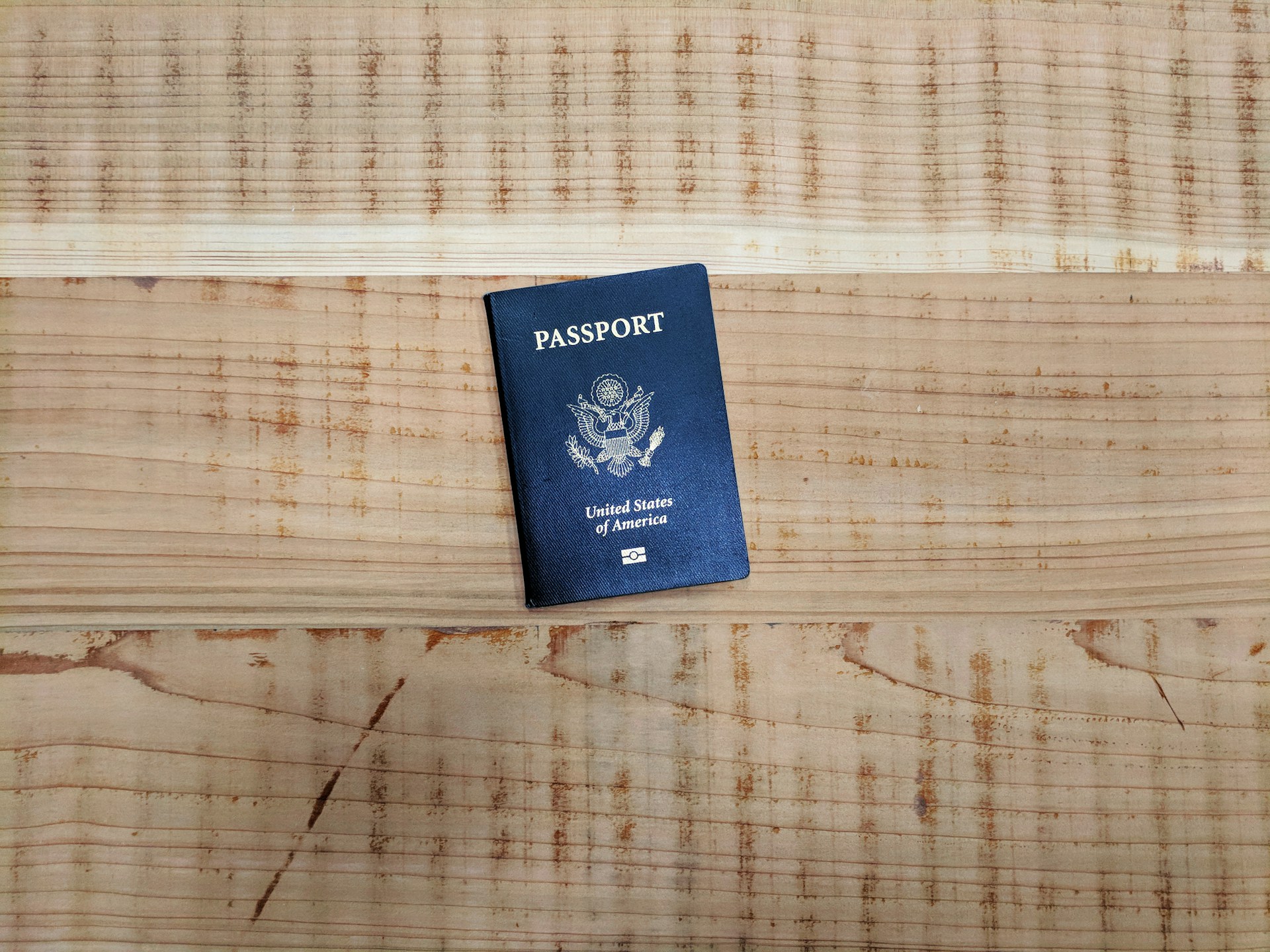

Obtaining a green card from a temporary visa is achievable with the correct information and planning.
- Temporary visas such as H-1B, L-1, and F-1 can pave the way for permanent residency.
- Family-based, employment-based, and lottery routes offer pathways to a green card.
- The process involves several steps, including petition filing and interviews.
- Understanding the legal intricacies is crucial for a seamless transition.
For individuals beginning their journey in the United States on a temporary visa, transitioning to a green card presents a viable route to permanence if approached with diligence. Temporary visas, including the H-1B for specialty occupations, the L-1 for intracompany transferees, and the F-1 for students, serve as potential springboards to permanent residency. Employing the right legal strategies during the visa’s tenure can significantly impact the likelihood of success.
Among the pivotal pathways to obtaining a green card are family-based petitions. These allow immediate relatives of U.S. citizens, such as spouses, parents, and unmarried children, to transition more swiftly, courtesy of fewer bureaucratic hurdles in comparison to other categories. The employment-based route, however, incorporates various preference categories, such as the EB-1 for priority workers and EB-2 for individuals with advanced degrees or exceptional ability.
The diversity visa lottery further broadens the horizon for visa holders aspiring for permanent status. Annually, the lottery distributes up to 55,000 green cards to individuals from countries with low immigration rates to the U.S., providing an equitable opportunity based on random selection.
Achieving green card status necessitates a comprehensive understanding of procedural requirements. Steps include filing the appropriate petition—Form I-130 for family cases or Form I-140 for employment scenarios. In cases of employment-based applications, labour certifications are crucial to verify the absence of qualified U.S. workers for the role.
The final phases of the green card application process involve attending interviews where applicants demonstrate their eligibility through documentation, background information, and the nature of their relationship with the petitioner. Successful candidates receive their green card by mail upon approval, signifying their new status as lawful permanent residents.
Navigating the intricacies of U.S. immigration law demands meticulous planning and understanding to achieve a successful transition from a temporary visa to a green card.

