
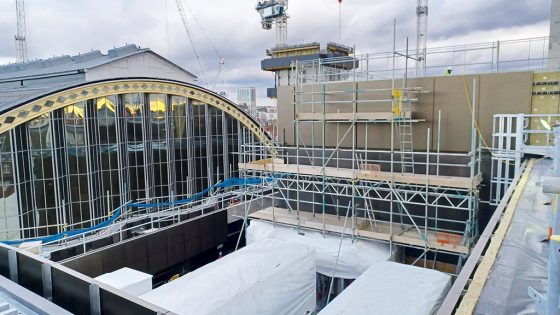

A monumental transformation is underway at Olympia, redefining its purpose and heritage.
- Laing O’Rourke spearheads the ambitious project with innovative methods.
- The construction includes multiple facilities while preserving historical structures.
- High percentage of prefabricated components ensures efficiency and precision.
- Completion is anticipated by June 2025, marking a new era for the venue.
In an undertaking that reimagines the very core of Olympia, Laing O’Rourke is orchestrating a comprehensive redevelopment that fuses modern functionality with historical preservation. The venue, once a fortress of exclusivity, is set to become a people’s palace featuring a range of new attractions, including exhibition spaces, hotels, theatres, and offices. The innovative programme involves construction around listed buildings, reflecting a delicate balance between old and new.
Employing a top-down construction approach, Laing O’Rourke utilises its Design for Manufacture and Assembly (DfMA) factory to incorporate 65 to 68 per cent prefabricated components. This strategy optimises the build process, particularly in the National Hall annexe, now home to a luxury hotel. Key to the project is the insertion of new columns and cores, circumventing the limitations posed by the heritage structure’s ageing materials.
A significant challenge involved dealing with Olympia’s Grade II-listed multistorey car park. Despite its historical architectural features, structural issues led to its demolition, paving the way for constructing a new building to house a hotel and a performing arts school. This decision underscores the project’s commitment to maintaining functional relevance while respecting historical significance.
The construction of a new 15-storey office building behind the iconic Olympia Central Hall facade exemplifies the intricate engineering required for such a complex project. With protective measures taken for the historic facade, new developments are seamlessly integrated to add substantial office space while preserving aesthetic integrity. The use of a top-down method allows work to proceed efficiently without compromising the surrounding structures.
To manage construction amidst Olympia’s bustling events calendar, Laing O’Rourke has employed offsite manufacturing techniques. This approach, alongside logistical innovations, has enabled seamless interaction with ongoing exhibitions and has minimised disruptions. The foresight in planning and execution showcases Laing O’Rourke’s expertise in handling complex, multifaceted developments.
The entire project is guided by a vision of modernising Olympia while honouring its storied past. Laing O’Rourke’s commitment is evident not just in structural transformation but in symbolic gestures like recreating the Demeter statue. This emblem of the blend between history and contemporary design encapsulates the spirit of this ambitious redevelopment.
The Olympia redevelopment project exemplifies a harmonious blend of history and modernity, paving the way for a diversified and inclusive future.

