
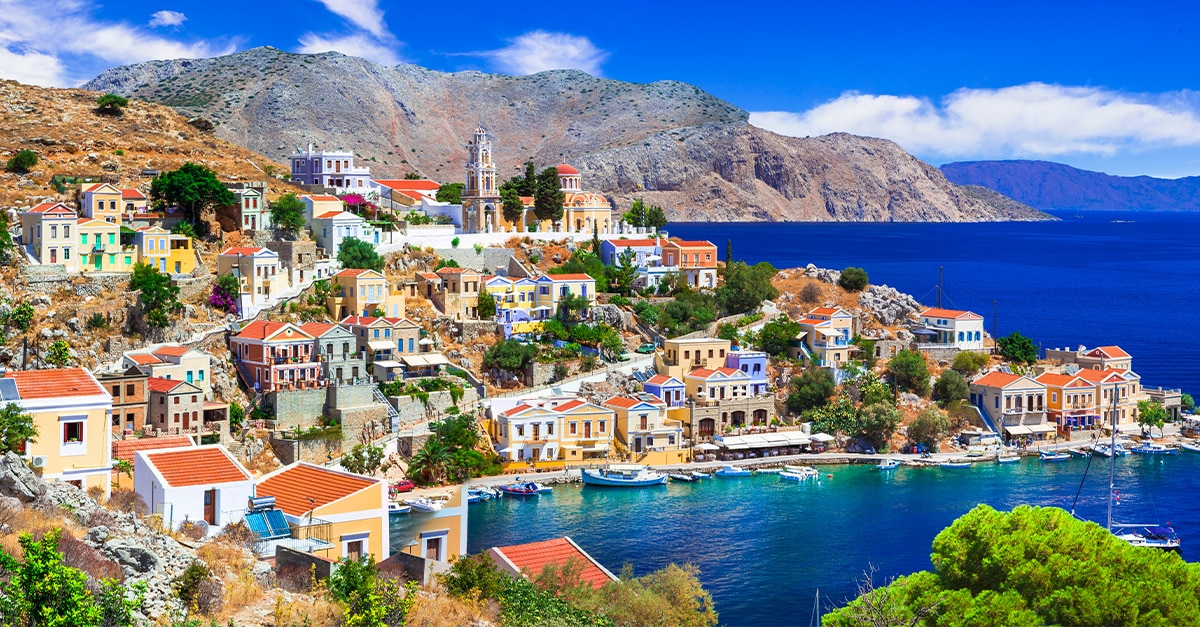

The World Travel & Tourism Council’s recent report highlights an astonishing surge in tourism for Greece and Portugal. These nations have become the forefront of travel growth in Europe, showcasing impressive year-on-year increases in tourist arrivals.
Among the bustling European tourism scene, Greece and Portugal stand out, offering unique attractions that captivate a global audience. Their surge in traveller numbers speaks volumes about their appeal.
Greece and Portugal’s Tourism Surge
Greece and Portugal have emerged as leading destinations for tourism growth, with both countries experiencing a notable increase in visitor numbers compared to previous years. According to data from the World Travel & Tourism Council (WTTC), tourist arrivals in these countries are expected to rise by over 20% year-on-year. This remarkable growth has been attributed to various factors, including their rich cultural heritage, stunning landscapes, and strategic marketing efforts that successfully attract travellers from around the globe.
Spain’s Continued Popularity
Spain remains a powerhouse in the tourism sector, consistently ranking as the second most popular travel destination worldwide. The WTTC reports a projected 13% increase in arrivals, demonstrating the country’s stable allure for tourists seeking lively cities, gorgeous beaches, and historical sites.
The blend of traditional and modern attractions forms a robust draw for international visitors, further cementing Spain’s reputation as a premier travel locale.
Global Tourism Trends
Tourism across Europe is witnessing a significant upswing, with international arrivals increasing substantially. The WTTC highlights the factors contributing to this growth, such as increased travel from key markets like the UK and the US.
Germany, as host of the ITB trade show, was identified as a significant beneficiary, with expectations of a bumper year for tourism in 2024. The positive outlook underscores Europe’s continued attractiveness for global travellers.
Sustainability and Technological Innovations in Tourism
Despite the tourism boom, there is a growing concern about environmental implications. The WTTC acknowledges that the sector accounted for 8.1% of global emissions in 2019, stressing the importance of sustainable practices moving forward. Efforts to adopt sustainable aviation fuel (SAF), biodiesel, and alternative marine fuels are highlighted as critical steps taken by the industry to reduce its carbon footprint.
Technological advancements, particularly in AI, are poised to revolutionise the travel sector. According to WTTC’s president, Julia Simpson, AI’s integration could represent the most significant technological shift since the internet, profoundly impacting how travel and tourism are conducted.
Economic Impact of Tourism
The travel and tourism sector is a substantial contributor to the global economy. In 2023, it was forecasted to contribute 9.2% of global GDP, amounting to $9.5 trillion, and employing 320 million people worldwide.
With an expectation of continued growth, the sector is projected to account for 11.6% of global GDP by 2033, highlighting its importance as an economic driver. This growth trajectory underscores tourism’s role in job creation and economic development worldwide.
The Social Role of Travel
Travel is much more than an economic phenomenon; it serves as a bridge between cultures and societies. The WTTC underscores its value as a force for good, fostering understanding and exchange in a fragmented political landscape.
Amidst the challenges of ecological degradation, travel also educates individuals about the importance of preserving natural environments.
Challenges Facing the Tourism Sector
The tourism industry faces several significant challenges, despite its potential for growth and positive contributions. Chief among these are the environmental impacts and the need for enhanced sustainability practices.
The industry must navigate these issues carefully, ensuring that growth does not come at the expense of the planet’s health.
As tourism continues to thrive in Greece and Portugal, these nations exemplify the potential for sustainable growth in the industry. Their success stories set a benchmark for others.
While embracing technological advancements, the focus on sustainability remains crucial. By balancing these elements, the sector can look forward to a promising future.
