
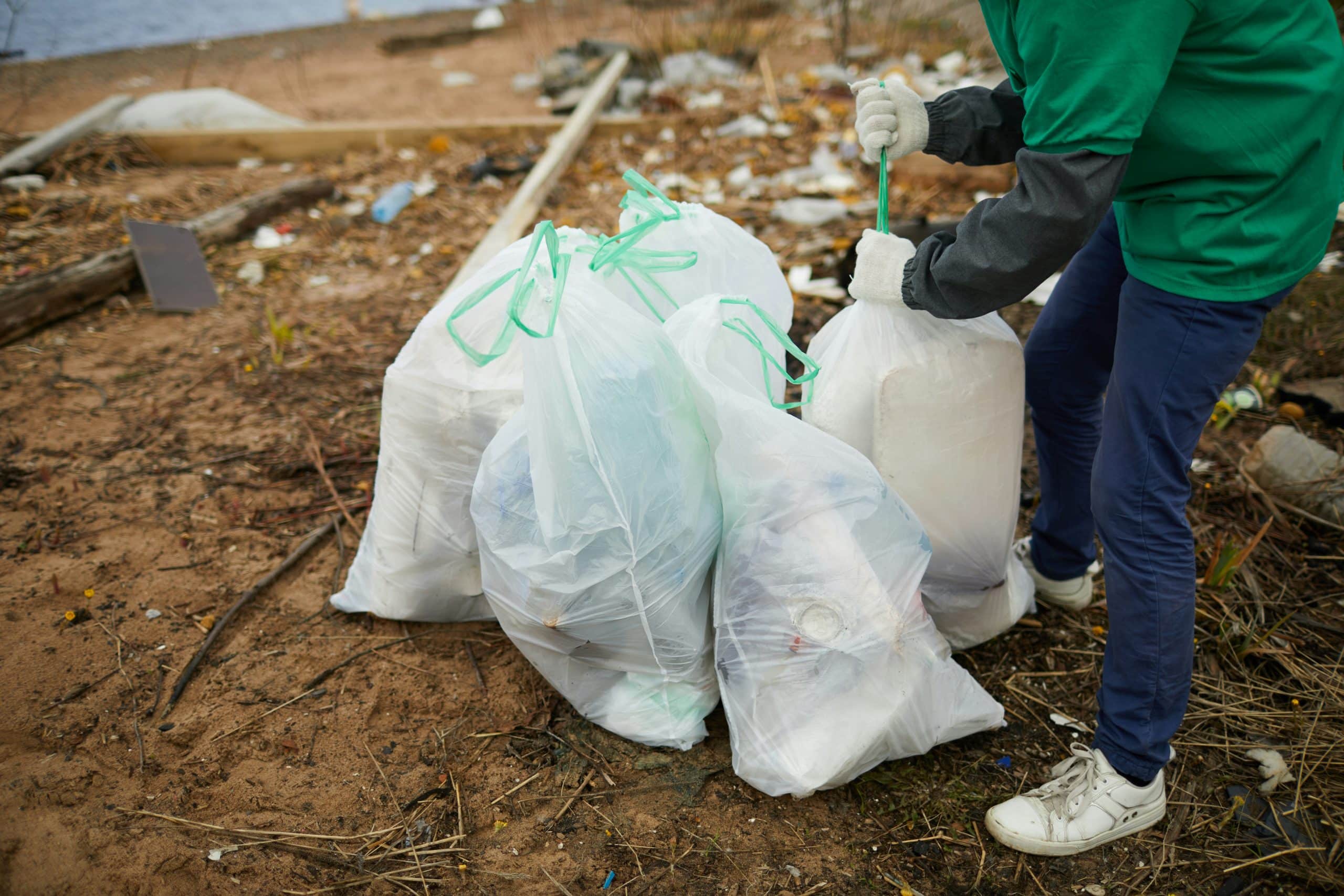

Fly-tipping has long been seen as a local nuisance — an eyesore that affects streets, countryside, and public spaces. But beyond the visible mess lies a much larger issue, one that carries serious financial consequences for councils, businesses, and ultimately taxpayers.
Across the UK, the cost of dealing with illegally dumped waste is continuing to rise. What may seem like isolated incidents are, in reality, part of a wider problem that is placing increasing pressure on already stretched public resources.
A Growing National Problem
Fly-tipping incidents have increased steadily in recent years, affecting both urban and rural areas. From household waste dumped on quiet roads to large-scale commercial fly-tipping on private land, the scale of the issue is significant.
Local authorities are responsible for clearing most public land, and each incident requires time, labour, and equipment to resolve. This is not just a matter of removing rubbish. It often involves sorting waste, identifying hazardous materials, and ensuring proper disposal.
All of this comes at a cost.
The Financial Burden on Councils
For councils, fly-tipping is more than just an environmental issue — it is a growing financial strain.
Budgets that could be used for public services such as education, transport, or community projects are instead being diverted to deal with illegal waste. Each clean-up operation requires manpower, vehicles, and disposal fees, all of which add up over time.
In areas with frequent incidents, these costs can become substantial. Repeated offences in the same locations create an ongoing cycle of spending, with little long-term resolution.
This puts additional pressure on local authorities that are already operating within tight financial constraints.
The Impact on Businesses and Landowners
While councils deal with waste on public land, businesses and private landowners are often left to handle fly-tipping on their own property.
For them, the financial impact can be immediate.
Clearing waste from private land is not covered by public funds, meaning landowners must pay out of pocket to remove it. This can include not only the cost of removal but also potential damage to the land itself.
In some cases, waste may include hazardous materials, increasing both the complexity and cost of disposal.
For small businesses and property owners, these unexpected expenses can be significant.
Hidden Costs Beyond Clean-Up
The true cost of fly-tipping extends beyond the immediate expense of removal.
There are indirect costs that affect communities and local economies. Areas affected by frequent dumping can experience reduced property appeal, lower foot traffic for local businesses, and a general decline in the environment.
This can create a negative cycle, where neglected areas become more likely to attract further illegal dumping.
Over time, the wider economic impact becomes harder to ignore.
Why the Problem Persists
Despite enforcement efforts and penalties, fly-tipping continues to be a persistent issue.
One of the main reasons is cost avoidance. Disposing of waste legally, particularly for larger volumes or commercial materials, can be expensive. Some individuals and businesses choose to bypass proper channels in order to save money.
However, this simply shifts the cost onto others.
Instead of paying for responsible disposal, the burden is transferred to councils, landowners, and ultimately taxpayers.
The Role of Responsible Waste Management
Addressing the issue of fly-tipping requires more than just enforcement. It also involves making responsible waste disposal more accessible and widely understood.
Using legitimate providers ensures that waste is handled correctly, reducing the risk of it ending up dumped illegally. For both households and businesses, choosing proper disposal methods is a key part of reducing the wider problem.
For those dealing with waste removal, understanding the importance of using fly tipping clean up services can help ensure that waste is cleared safely and disposed of in line with regulations.
A Shared Financial Responsibility
Fly-tipping is often viewed as someone else’s problem, but in reality, its impact is shared across society.
Councils bear the cost through public spending, businesses and landowners face direct financial losses, and communities experience the knock-on effects of neglected environments.
Ultimately, the financial burden is distributed far wider than the individuals responsible for the dumping.
Looking Ahead
As awareness grows, there is increasing pressure to find more effective ways to tackle fly-tipping.
This may include stronger enforcement, improved waste disposal infrastructure, and greater public education around responsible waste management. However, lasting change will require a collective effort.
Reducing fly-tipping is not just about cleaning up waste. It is about preventing it in the first place.
Final Thoughts
Fly-tipping is often underestimated as a minor issue, but its financial impact tells a different story.
From council budgets to private landowners, the cost of illegal waste is being felt across the UK. As incidents continue to rise, so too does the pressure on resources and communities.
Understanding the true cost of fly-tipping is the first step towards addressing it — not just as an environmental concern, but as a serious economic issue that affects everyone.

