
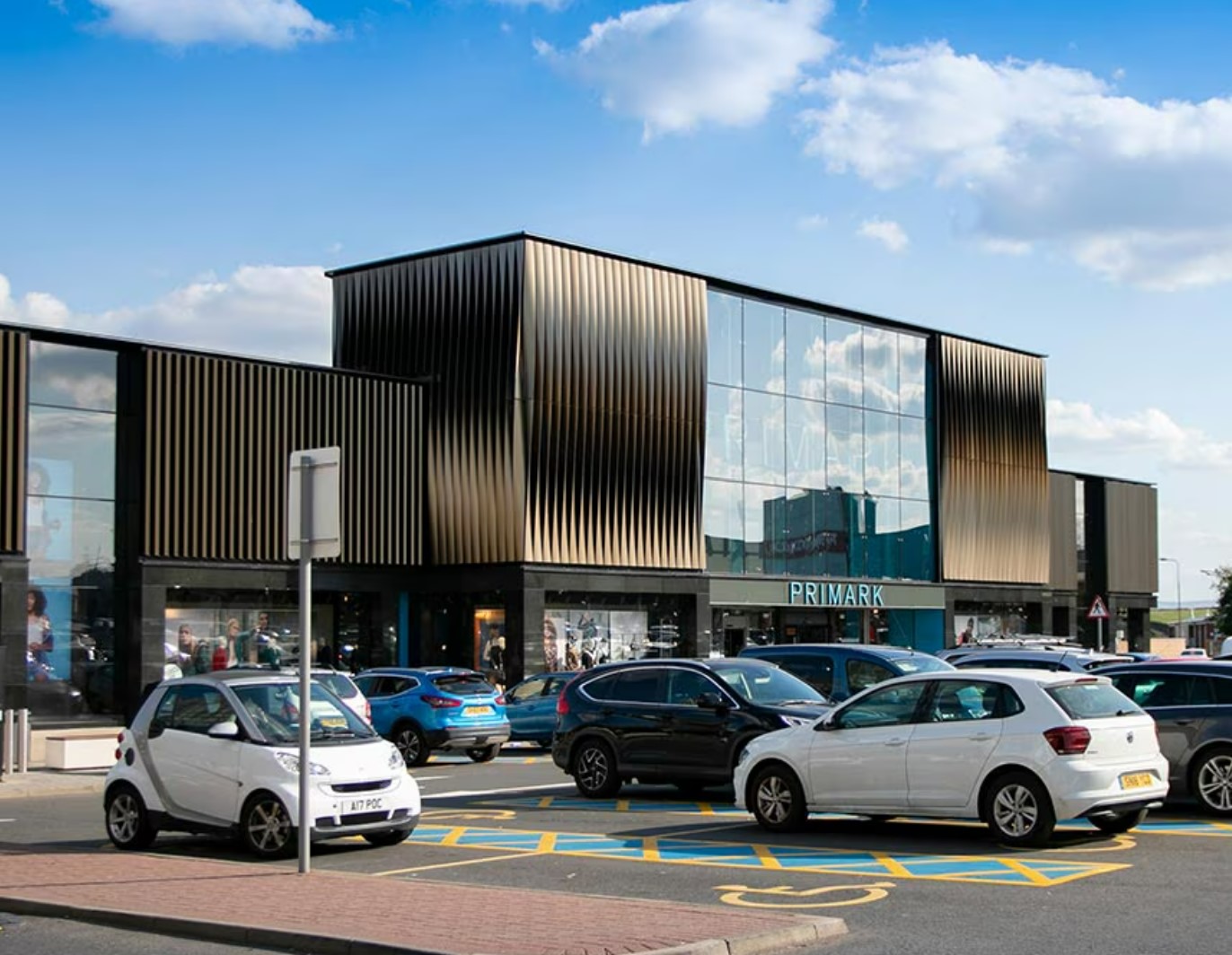

Retail parks, once synonymous with tools and hardware, have undergone a significant evolution. Today, they cater to a broader variety of retail experiences.
Primark’s recent opening at Teesside Park and Hotel Chocolat’s commitment to new retail park locations exemplify this shift. This article explores the catalysts for this change and what the future holds for retail parks.
Changing Retail Landscape
Retail parks have diversified far beyond their traditional offerings. No longer just destinations for furniture and DIY goods, they now house fashion retailers, beauty outlets, and food establishments.
British Land, the UK’s largest retail park owner, reported a 6% sales increase across its portfolio last year. Nugent Shopping Park in Kent saw a staggering 90% sales jump compared to 2018, driven by new retailers like Boots, Superdrug, and JD Sports.
Increased Footfall and New Entrants
The diversity of retailers at Nugent has revitalised the space and attracted a wide array of shoppers. This trend is mirrored across the UK, as retail parks shift their focus from legacy brands to a more eclectic mix.
Matthew Reed from British Land notes that the post-Covid era has seen many new retailers entering the retail park scene. Fashion brands like Primark, Lush, and Rituals, along with food outlets such as Pret and Wagamama, are expanding in these formats.
Hotel Chocolat’s Strategic Move
Hotel Chocolat is another retailer betting heavily on retail parks for growth. All 12 stores opened last year were in retail parks, with 20 more planned over the next 18 months.
Amy Harman, head of customer marketing at Hotel Chocolat, states: “That’s where we’re seeing footfall and demand. Consumers are looking for a day out and an experience.” This strategy also helps fill spaces left vacant by pandemic-related retail casualties.
Value Retailers and Occupancy Rates
Value retailers like Aldi, Lidl, and Home Bargains have increased their presence in retail parks, benefiting from lower entry rents. This has contributed to higher occupancy rates.
British Land reports a 99% occupancy rate in its retail park portfolio. Reed attributes this success to the affordability, adaptability, and accessibility of retail parks. These factors make them an appealing choice for a diverse range of retailers.
Adaptability and Omnichannel Retail
The adaptability of retail park spaces is another crucial factor in their success. Retailers can install mezzanines, effectively doubling their usable space at minimal additional cost.
Retail parks are also well-suited for omnichannel retail, offering ample space for click-and-collect services. Reed explains that the Covid-19 pandemic accelerated the shift towards omnichannel retail, making these spaces even more valuable.
Types of Retail Parks
Retail parks can be classified into three main types: bulky goods, shopping parks, and hybrid parks. Bulky goods parks focus on larger items, while shopping parks offer a mix similar to traditional shopping centres.
Hybrid parks, like Nugent, attract a wide range of retailers and generate consistent footfall. The presence of discounters and large national retailers has created a “halo effect,” attracting even more businesses.
Reed notes that this regular footfall drives significant daily consumer spending, making hybrid parks particularly appealing for retailers seeking steady sales.
Future Opportunities
Healthcare services are increasingly being integrated into retail parks. British Land’s Crownpoint Shopping Park in Manchester recently signed a deal with InHealth for services like X-rays and MRI scans.
Dental services are also expanding into retail parks, with MyDentist citing the spaces’ accessibility and flexibility. These additions could make retail parks multifaceted destinations for various consumer needs.
EV charging hubs are another focus area. Nugent Shopping Park plans to expand beyond its current four EV charging spaces, enhancing its amenities to include barbers and beauticians.
The evolution of retail parks has made them more than just shopping destinations. They now offer a comprehensive range of services, from healthcare to beauty treatments.
With their adaptability, affordability, and accessibility, retail parks are well-positioned to continue thriving. As consumer needs evolve, these parks will likely play an increasingly central role in meeting diverse demands.

