
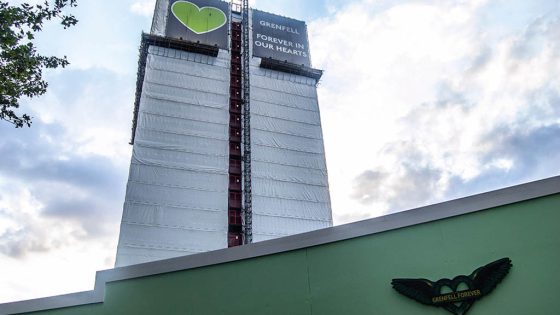

The Grenfell Inquiry highlighted significant failings of the cladding subcontractor, Harley Facades, in the tower’s refurbishment.
- Harley Facades lacked a formal contract, blurring their legal responsibilities in the refurbishment project.
- The company designed and supplied materials but failed to ensure fire safety compliance, contributing to the tragic incident.
- Harley’s staff were not knowledgeable about fire safety regulations, leading to the use of potentially unsafe materials.
- The Inquiry identified a severe lack of due diligence and responsibility on Harley’s part, raising questions about subcontractor accountability.
In the aftermath of the Grenfell Tower tragedy, the Inquiry has pointed towards a catalog of errors committed by Harley Facades, the subcontractor responsible for the cladding work. Their involvement was marked by a clear deviation from the standards expected of a reasonably competent cladding contractor. Despite their significant role in the project, Harley Facades operated without a formal contract, which effectively rendered their legal obligations ambiguous. This ambiguity, however, does not absolve them of the critical lapses that have been identified.
The absence of formal contracts was coupled with Harley’s role in both designing the cladding system and procuring the materials for the project, which culminated a year before the fateful fire in 2017. The Inquiry’s report singled out Harley for bearing a substantial portion of the responsibility for the disaster, primarily due to their failure to adequately consider fire safety at any stage of the refurbishment. This oversight was compounded by a misplaced trust that other parties involved, and ultimately building control, would ensure safety compliance.
One of the most severe criticisms was Harley’s negligence in questioning the safety of the materials chosen, particularly the decision to use Arconic’s Reynobond 55 PE aluminium composite material (ACM) cassettes. The selection was influenced by pre-existing relationships and favourable pricing, not safety considerations. Such decisions raise critical concerns about the prioritisation of cost over critical safety measures.
Further complicating the issue was Harley’s apparent ignorance of the Building Regulations and the necessary guidelines pertaining to fire safety, as evidenced by their acceptance of Celotex RS5000 for insulation without due diligence regarding its safety. The staff’s lack of understanding of the underlying testing regime starkly illuminates the deficiencies within their operational procedures.
Additionally, the design provided by Harley for the cavity barriers was not only incomplete but failed to meet the prescribed safety standards outlined in Approved Document B. This finding highlights a pronounced dereliction of duty and a failure to engage in the thorough questioning that a competent contractor would undertake, further exacerbating the risk posed by the refurbishment.
Harley Facades’ disregard for safety protocols and due diligence exemplifies a broader issue of accountability within subcontracting roles.

