
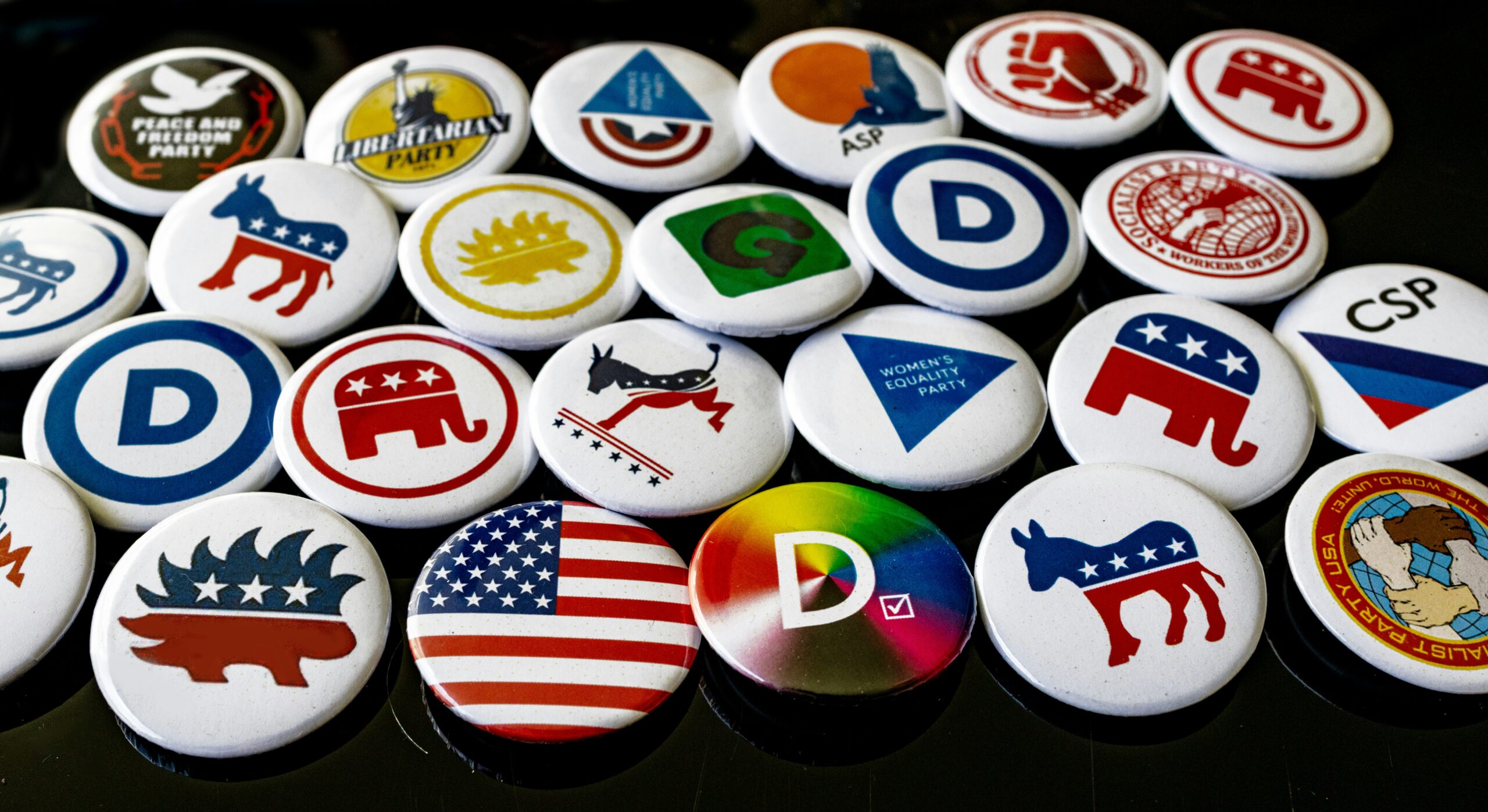

The outcome of US elections holds significant sway over global markets, particularly in the UK and Europe. As the world’s largest economy, American policies set the tone for transatlantic business interactions. Past electoral changes have repeatedly influenced UK and European economic strategies. An analysis of historical trends reveals the transatlantic impact.
In the current electoral climate, the global business community anticipates new policy directions that could affect cross-border trade, investment, and regulation. The dance of political shifts in Washington indelibly marks the operational strategies of companies across Europe and the UK, with each election cycle potentially altering the business landscape.
Shaping International Trade: Policies and Agreements
US administrations often revise trade agreements, impacting transatlantic export-import dynamics. These changes either create opportunities or pose challenges for businesses. Free trade initiatives generally provide UK exporters with market advantages; however, protectionist measures can introduce tariffs and restrictions.
One historic example of free-market policy is the mutual embrace by Reagan and Thatcher in the 1980s, which bolstered investment. Contrastingly, the Trump administration’s tariffs on metal imports forced European industries to explore new markets. Retaliatory tariffs by the EU further complicated the trade environment.
These examples underscore the necessity for UK and European businesses to remain adaptable, responding agilely to shifts in US trade policy that directly affect their operational landscapes.
Capital Flows and Investment Patterns
US elections often bring shifts in tax codes and regulatory changes that influence foreign investment appeal. European and UK businesses keenly observe these changes to align their investment strategies with US sectors.
The 1990s tech boom under Clinton attracted significant European investment, fostering innovation. However, the 2008 financial crisis during the Bush presidency pushed UK companies to seek investments locally, illustrating the volatile nature of international capital flows.
These patterns highlight the reliance of transatlantic business on stable political climates, urging companies to hedge against policy-induced financial risks.
Exchange Rate Volatility
Exchange rates often fluctuate surrounding US elections, impacting trade and investment costs significantly.
For instance, Obama’s 2008 victory led to a volatile dollar that disadvantaged UK exporters due to shifting economic recovery plans.
Under Trump’s presidency, a strong dollar helped UK exports become competitive in US markets. This demonstrates the far-reaching impact of US elections on currency and necessitates strategic financial adjustments by businesses when such conditions arise.
Industry-Specific Regulatory Responses
Election outcomes often drive regulatory changes in specific industries like healthcare, tech, or environment, affecting UK and European companies significantly.
Trump’s drug pricing policies worried pharmaceutical firms overseas, demanding strategy changes. Conversely, Biden’s environmental focus created openings for renewable energy collaborations across the Atlantic.
These regulatory shifts underline the importance for industries to remain informed about potential changes that could impact their sectors, encouraging proactive adaptation in policy response strategies.
Market Sentiments and Investor Behaviour
Investor confidence can be heavily influenced by anticipated US policy shifts, affecting share prices globally.
Trump’s corporate tax cuts buoyed market optimism in 2016, benefiting UK and European investments. Conversely, expectations of regulatory stability under Biden in 2020 fostered cross-border partnerships, enhancing investor confidence.
These instances demonstrate the critical nature of political expectations in shaping market strategies, underscoring the role of investor sentiment in response to electoral outcomes.
Anticipations for the 2024 Political Landscape
The consequences of the 2024 US election remain speculative but are critical in guiding future business strategies in Europe and the UK.
Adaptive plans are crucial as election results dictate new economic directions. Businesses must stay attuned to policy shifts to safeguard against potential economic disruptions.
Conclusion: A Continuing Influence
US elections continually redefine the economic environment for UK and European businesses, prompting strategic adaptations.
Understanding historical contexts helps companies prepare for political changes, ensuring resilience in the face of enduring uncertainty.
The impact of US elections on UK and European business remains profound. Companies must remain vigilant and adaptable to navigate the challenges posed by changing political landscapes.

