
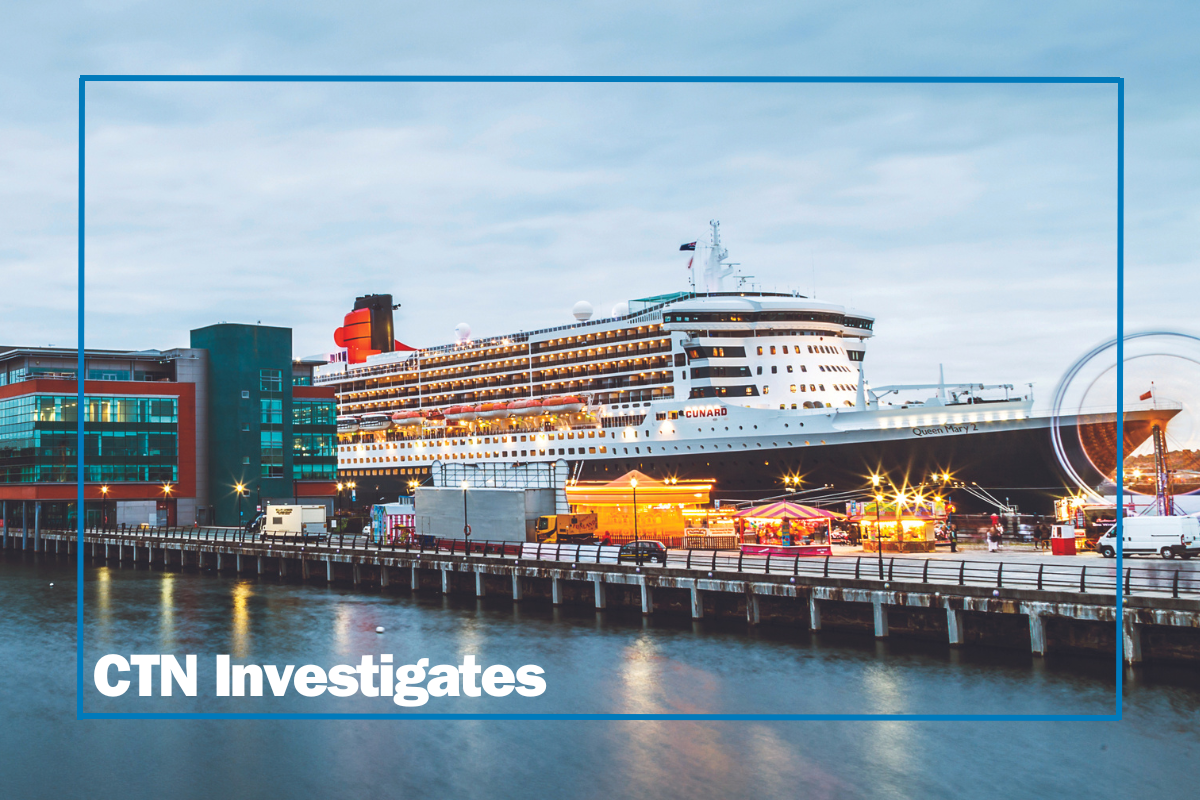

The surge of cruise tourism presents both opportunities and challenges for port cities worldwide. The economic benefits are clear, yet not all communities reap the rewards. Environmental concerns arise amidst increasing tourism. Government actions are being considered to mitigate these impacts. Domestic cruising offers an economic lifeline but requires careful policy considerations.
Cruise tourism has rapidly expanded, bringing economic advantages such as increased visitor spending and job creation. For instance, CLIA has reported that cruise passengers typically spend £600 per person in port cities during a week-long cruise, contributing significantly to local economies.
However, the influx of tourists does not benefit all communities equally. Areas like North Tyneside have expressed concerns that excursion companies bypass local sites, which could otherwise enrich the area’s tourism economy. This selective routing prevents local businesses from capitalising on nearby attractions and the potential revenue from cruise passengers.
The environmental ramifications of increased cruise traffic are highlighted by Friends of the Earth, which points out that a single mid-sized cruise ship can emit pollution equivalent to a million cars daily. This substantial pollution load raises significant environmental challenges for port towns tasked with accommodating large ships.
In response to these challenges, the Scottish government is contemplating a tax on cruise ships docking in its ports. This proposed levy aims to address both the emission issues and the impact on local communities, though it may deter some cruise lines, potentially affecting the industry negatively.
Despite these challenges, ports like those in Southampton continue to be economically vital, with Associated British Ports reporting a £2.7 million benefit per cruise call. These ports contribute not just through tourism but also by supporting surrounding businesses and infrastructure development.
The challenges faced by port cities due to cruise tourism demand a careful balance between economic growth and environmental and community impact.

