

The proposed inheritance tax reforms have sparked concern among leading construction family businesses.
- Chancellor Rachel Reeves plans to cap inheritance tax relief at £1m starting April 2026, facing criticism from industry leaders.
- Sir James Wates and Andy Hill voice fears about the future ownership of their family-run construction firms.
- Current asset values in construction significantly exceed the proposed tax relief cap, impacting business sustainability.
- Industry leaders anticipate these changes might prompt foreign acquisitions of valuable UK construction enterprises.
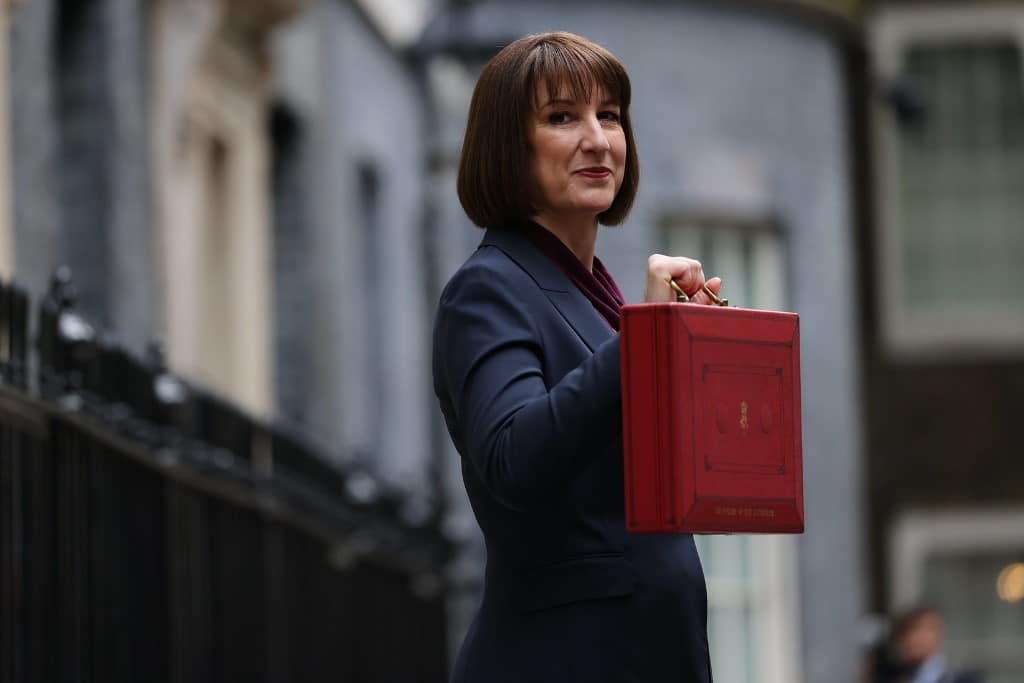
In recent times, significant concerns have arisen from the proposed inheritance tax reforms put forth by Chancellor Rachel Reeves. The reforms intend to limit inheritance tax relief on private assets and businesses to £1m, effective from April 2026. This decision has provoked considerable backlash from some of Britain’s foremost construction family businesses.
Sir James Wates and Andy Hill, prominent figures in their respective family firms, have been vocal about the potential challenges these reforms may impose on their businesses. Sir James Wates, representing the fourth generation of leadership at Wates Group, fears the reforms may derail plans for future ownership within the family. He articulates his concern, saying, “People will say what is the point of carrying on. Do I want to hand on this poisoned legacy to future generations?”
The current asset values typical of sectors such as construction far exceed the proposed cap, which could severely limit business operations and long-term planning. Andy Hill, founder and CEO of Hill Group, highlighted the financial burden his successors would face, estimating a need for nearly £100m to sustain family ownership of the firm. Hill expressed his scepticism about the reform, suggesting that the government might eventually retract the decision when confronted with its ramifications.
The current landscape of inheritance tax policies, according to these industry leaders, tilts favourably towards external investors, potentially easing acquisitions by foreign entities. Sir James raised alarms over valuable businesses becoming ‘fair game’ for overseas buyers due to diminished family ownership aspirations caused by the reforms.
Despite their apprehensions, both Sir James and Andy Hill remain committed to keeping their businesses within family hands. Andy Hill, although initially supportive of Labour due to perceived housing system deficiencies, has expressed a sense of regret given the potential impact of these tax changes. Hill is hopeful for a re-evaluation of this policy, stating, “I think at some point they will change it back. I don’t think it’s been thought through.”
The future of family-run businesses in the UK construction industry hangs in the balance as proposed inheritance tax reforms loom.

