
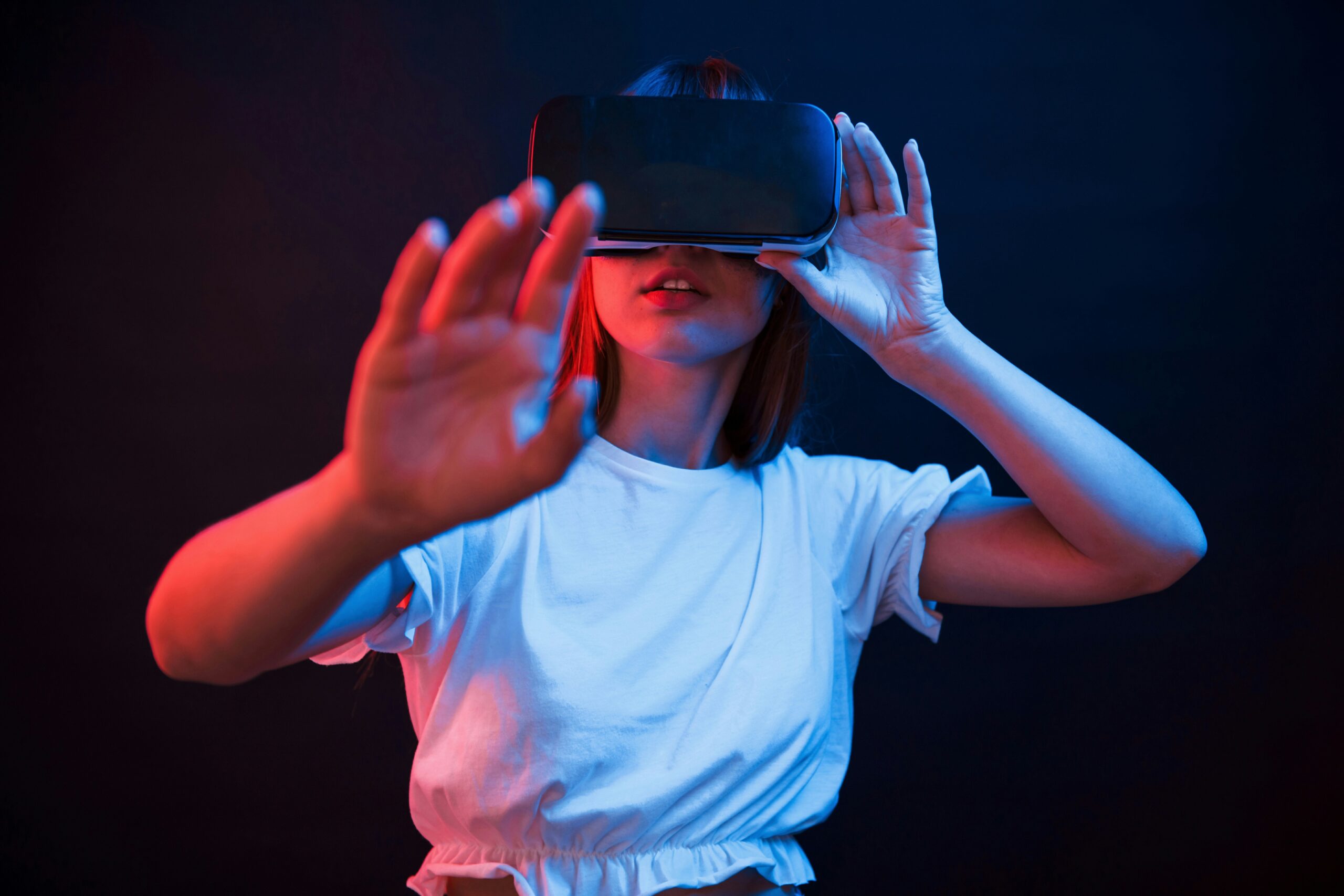

In today’s fast-evolving digital landscape, the concept of the metaverse is rapidly gaining traction across various sectors. Originally a fictional idea from Neal Stephenson’s 1992 novel, it is now becoming reality through advanced 3D technologies. Companies like Meta and Microsoft are pioneering these virtual worlds, offering lifelike experiences.
As the metaverse integrates deeper into our lives, it transforms how we work, learn, and play. Through virtual and augmented reality tools, users can immerse themselves in a realm where physical and digital boundaries blur. The potential applications of this innovative technology seem endless, enabling users to engage in activities that mimic, and sometimes exceed, the real world.
Metaversities: A New Era in Education
Meta is at the forefront of creating what are known as ‘metaversities’ throughout Europe. These virtual counterparts of real university campuses allow students to interact and engage in their academic pursuits remotely.
Institutions like the University of Leeds and the University of Basque Country are employing these digital platforms for various courses. The digital twin of Leeds, for instance, is utilised for theatre courses, while Basque Country leverages it for anatomy classes.
These metaversities offer students access to resources and peers, facilitating a blend of traditional and digital education that can redefine learning experiences.
Gamified Experiences in the Metaverse
Gaming has emerged as a significant use case in the metaverse, with platforms like Roblox and Decentraland leading the charge.
These platforms immerse users in expansive digital worlds where they can trade, socialise, and engage in various activities. Users find themselves in communities that feel as genuine as real-life interactions.
Virtual Events Revolution
The metaverse is not just about games; it is reshaping how virtual events are conducted.
Artists like Travis Scott have embraced this medium, performing concerts that fans can attend from anywhere. It provides an immersive way to enjoy live music.
This method of hosting events is expected to extend to sports and large gatherings, enhancing accessibility and engagement.
Retail’s Virtual Innovation
Retailers are beginning to explore the metaverse by creating virtual shops to enhance customer experience.
Ikea, for example, utilises virtual reality to let customers ‘place’ furniture in their homes, aiding in visualising purchases.
Such innovations enable shoppers to make informed decisions while enjoying a new level of interaction.
Healthcare’s Digital Leap Forward
The metaverse is offering healthcare practitioners novel methods of consulting with patients, especially when in-person visits are not possible.
Through virtual consultations, doctors can diagnose and advise patients on treatment plans effectively.
With this technology, the healthcare industry is poised to offer improved accessibility and care to patients globally.
Enhanced Social Interactions
In the metaverse, socialising takes on new dimensions, allowing individuals to meet and interact in lifelike digital settings.
These spaces enable users to meet in entirely new ways that simulate physical presence, offering another layer to online interactions.
The scope for creating meaningful social interactions is vast, making digital connections more personal and tangible.
Tourism and Travel Redefined
Virtual tourism within the metaverse is opening doors to places previously unreachable. Through immersive tours, users can explore destinations from the comfort of their home.
Whether it’s a historical site or a natural wonder, these digital voyages provide an authentic travel experience without the need to physically travel.
With advancements in this area, the future of travel and exploration could be dramatically altered.
Technologies Powering the Metaverse
Several advanced technologies are crucial in developing the metaverse’s interactive and secure environments.
Blockchain technology ensures secure transactions and ownership of digital items through NFTs. Meanwhile, artificial intelligence supports realistic avatars.
The fusion of these technologies results in elements like 3D reconstruction and IoT, which link real-world data to virtual spaces, creating richer experiences.
Looking Ahead: The Future of the Metaverse
The trajectory of the metaverse suggests a profound impact on various facets of life, from personal to professional spheres.
As this concept continues to evolve, it will reshape traditional practices across industries, ushering in a new era of interconnectedness and experiential engagement.
The metaverse is more than a trend; it is the future, paving the way for a new kind of societal interaction.
Conclusion
The metaverse is poised to become an integral part of our digital existence, offering transformative possibilities across numerous sectors. As its adoption grows, so will its capability to revolutionise industry practices and personal experiences.
The future holds limitless potential, where technology and reality converge in unprecedented ways.
The metaverse is on the brink of revolutionising various sectors, promising enhanced connectivity and interaction. As technology advances, its role in daily life is set to expand, offering opportunities that were once unimaginable.

