
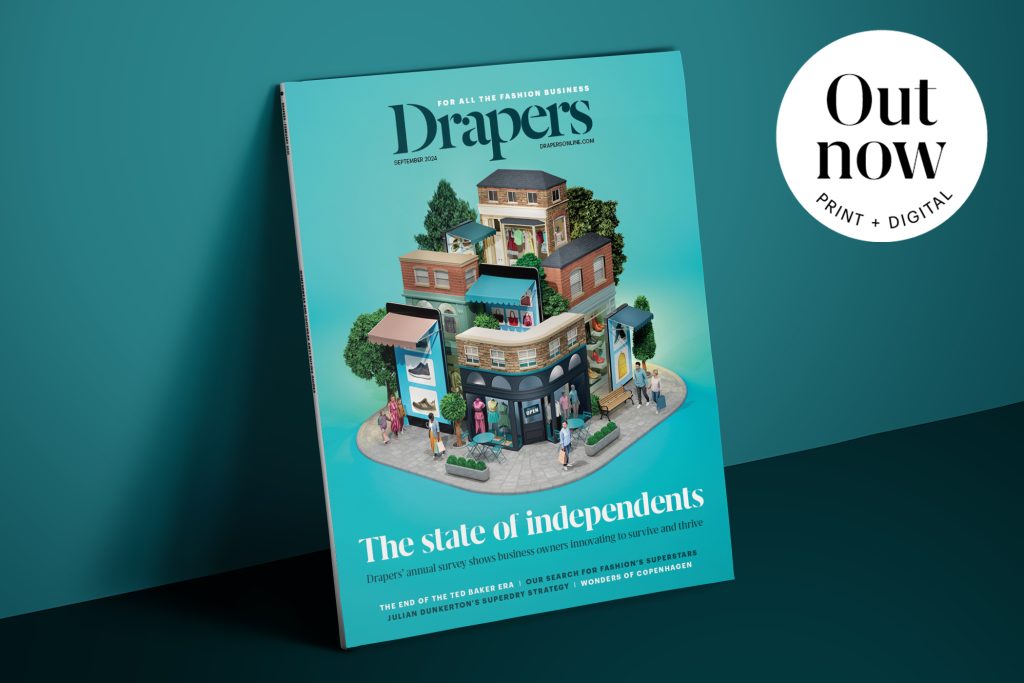

The independent fashion retail sector is navigating a complex landscape characterised by unprecedented challenges and shifts in consumer behaviour.
Amidst economic uncertainty, these independent entities are demonstrating remarkable resilience and adaptability, underpinning their significance in the broader fashion narrative.
Challenges Facing Independent Fashion Retailers
Independent fashion retailers have long been celebrated for their creativity and resilience. However, these businesses now face a myriad of challenges. From the soaring costs of operation to increased risks of shoplifting, the pressure is relentless. Brexit has further aggravated these issues, leading to operational hurdles and financial strain on many businesses within this vibrant sector.
The Shift in Consumer Spending Patterns
Amidst the turbulence, consumer spending has shown a noticeable shift. The lustre of luxury brands is waning, as evidenced by declining sales at iconic names like Gucci and Burberry. Consumers are gravitating towards more value-oriented products, and there’s a budding interest in second-hand luxury items. Brands such as John Smedley and platforms like Vinted are seeing tangible benefits from these trends. There’s also a remarkable rise in the pre-loved market, reflecting a changing consumer mindset.
Ted Baker’s Strategic Movements
Ted Baker’s recent closure of all its UK retail outlets marks a significant shift. The brand, facing numerous challenges, has opted for an overhaul by designating a new operator for its online platform, Tedbaker.co.uk. Former executives shed light on the legacy of this quintessentially British brand and deliberations on its future trajectory. The closure, while saddening to many, is seen as a necessary step to revitalise the brand, allowing it to focus resources on digital innovations and strategic partnerships.
Simultaneously, Julian Dunkerton, Superdry’s CEO, embarks on a journey to reinvigorate the highly-recognised brand. Dunkerton’s return has sparked significant changes, underscored by a £10 million cash infusion. His vision includes new product lines, strategic hiring, and developing fresh partnerships. The goal is to reposition Superdry in a highly competitive market.
Surge in Pre-loved Fashion
There’s an undeniable surge in the demand for pre-loved fashion. Recognising this, many retailers have launched their own initiatives to cater to this growing segment. The trend signifies a shift towards more sustainable consumer practices, influenced by economic considerations and environmental consciousness.
The rise in second-hand shopping is also reshaping the retail landscape. Retailers are adapting to this trend, with many reporting positive impacts on their sales and customer engagement. However, this new avenue also presents challenges, including ensuring quality control of used merchandise.
Spotlight on Retail Experiences
An insightful investigation by Drapers’ secret shopper at Meadowhall, Sheffield, unveiled varying levels of excellence across popular retailers, including Flannels and Zara. Some stores excelled in delivering exceptional customer experiences, while others were found lacking. Such assessments are vital as they influence consumer perceptions and purchasing decisions.
Retailers are under increasing pressure to enhance the in-store experience to entice customers back following pandemic disruptions. Engaging displays, seamless service, and a personalised shopping experience are more important than ever.
Adaptation and Innovation in Education
Fashion education providers are continually evolving to meet industry demands. UK universities, for instance, are integrating cutting-edge technologies and innovative curricula into their fashion courses. This evolution aims to equip students with the necessary skills and knowledge to thrive in a rapidly-changing industry landscape.
A strong focus on practical experience and industry collaboration is now a hallmark of leading fashion courses. By partnering with fashion leaders, educational institutions are ensuring that graduates are well-prepared to contribute meaningfully to the industry upon entering the workforce.
Future Outlook for Fashion Retail
The outlook for fashion retail is dynamic and challenging. With a mix of optimism and caution, industry leaders are charting paths through uncertain economic conditions. The push towards digitalisation and sustainable practices is expected to dominate strategies moving forward.
In conclusion, the independent fashion retail sector showcases adaptability amidst evolving challenges.
The journey ahead promises dynamic changes, with key opportunities in digitalisation and sustainability.

