
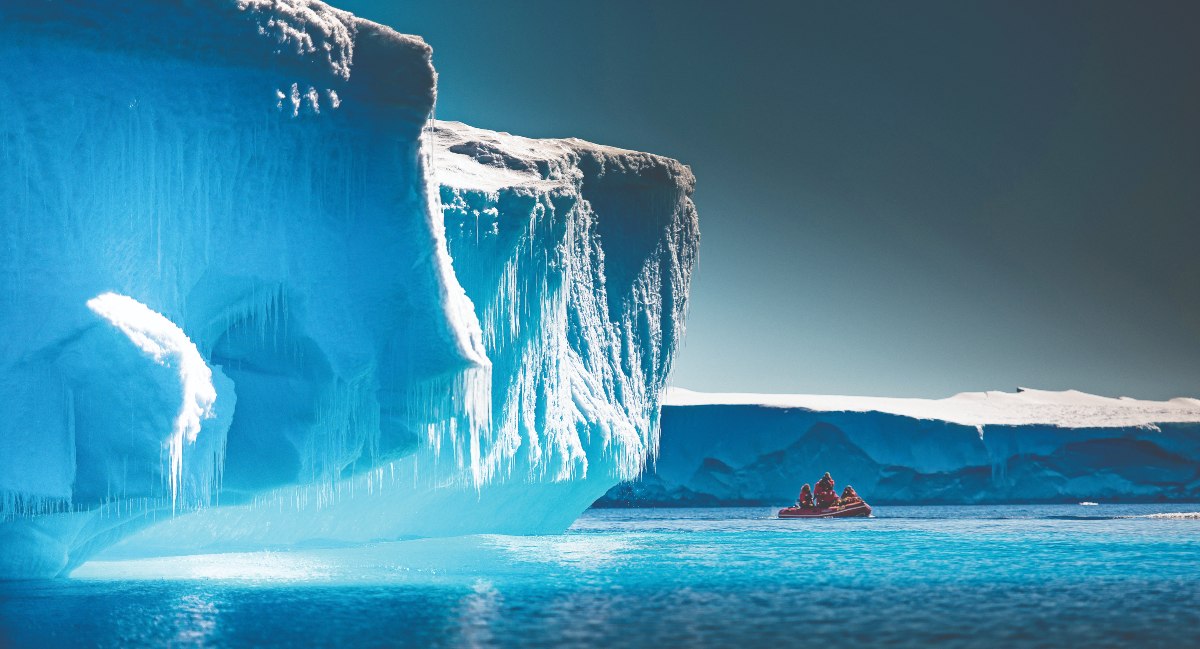

Expedition cruising has rapidly grown, indicating an enduring trend.
- The pandemic has influenced cruising preferences, boosting demand for unique experiences.
- Demographic shifts show younger passengers joining typically older cruisers.
- Luxury has become integral to expedition cruising, enhancing its appeal.
- Environmental consciousness is shaping practices within the cruise industry.
Expedition cruising is experiencing significant growth, emerging as a key segment within the cruise industry. This surge is attributed to an increasing desire for unique and memorable travel experiences, particularly among those who wish to accomplish “once-in-a-lifetime” journeys. The allure of expedition cruising lies in its ability to offer travellers access to remote and pristine destinations, facilitating experiences that transcend conventional tourism. Seabourn’s Carly Perkins highlights how their new ships are drawing attention not only from traditional guests but also from individuals new to cruising.
The pandemic has undeniably played a pivotal role in shaping the current landscape of expedition cruising. During extended periods of international restriction, many travellers amassed savings and developed a newfound appreciation for travel, fuelling their interest in expedition ventures. Aishling McLoughlin of Hapag-Lloyd Cruises emphasises that the pandemic has catalysed a ‘now-or-never’ attitude among consumers. Furthermore, strategic efforts by industry bodies, such as CLIA, in promoting expedition routes have been instrumental in captivating travel agents and, by extension, potential clients.
A shift in the demographic profile of expedition cruisers is underway, with an increasingly younger audience engaging in what has traditionally been a sphere dominated by an older demographic. Luke Clarke from Swan Hellenic acknowledges that price remains a determinant, yet destinations like Antarctica are attracting younger travellers, including honeymooners. This evolution is partly driven by a diversification of cruise offerings aimed at expanding the appeal to broader audiences, as noted by Sarah Schlederer of Quark Expeditions.
The infusion of luxury into expedition cruising has steadily transformed the sector’s dynamics, marrying adventure with opulence. Although adventure remains at the forefront, luxury elements such as refined dining and sophisticated ship interiors have become commonplace. As Connie Georgiou from Silversea articulates, this blend allows passengers to indulge in high-end experiences after an active day exploring remote locales. The balance between rugged exploration and luxury amenities is redefining consumer expectations.
Environmental consciousness is a central theme in expedition cruising, with operators increasingly committed to sustainable practices. As noted by Andy Harmer, there is an industry-wide emphasis on minimising ecological footprints while enhancing community and wildlife welfare in visited locales. This commitment is mirrored in technological advancements, such as Seabourn Venture’s use of anchorless technology, underscoring a broader environmental stewardship that is increasingly resonating with a conscientious clientele.
Expedition cruising is poised to continue its evolution, marked by growing demand and a commitment to sustainability.

