

Recent discussions have highlighted a stark contrast between British and American venture capitalists. This divergence is rooted in cultural and operational philosophies, which have profound implications for startups.
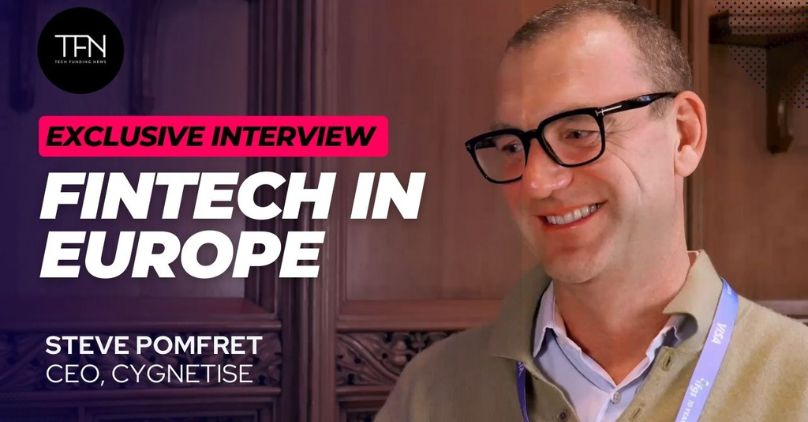
Steve Pomfret spent much of his career as an internal consultant in banking before founding Cygnetise. His focus was on resolving inefficiencies and leveraging technology, which set the stage for his venture into fintech.
Pomfret’s involvement with blockchain began before it gained mainstream recognition. He recognised the transformative potential of blockchain, especially in solving issues prevalent within banks, leveraging his unique insight into both financial operations and emergent technology.
Cygnetise targets digital signatory management with a blockchain-based solution. This highly specialised service aims to tackle authorisation issues, which can lead to reduced fraud and contract disputes, crucial for large enterprises.
Although blockchain is central to Cygnetise’s offering, Pomfret emphasises the benefits it provides rather than the technology itself. This approach resonates with a client base interested in practical solutions over technological specifics.
Despite being a pioneer in blockchain, Pomfret exhibits caution regarding AI adoption. He prioritises customer needs and industry relevance over following tech trends.
The development of Cygnetise’s products is largely driven by customer feedback and industry demands. This strategy underscores a commitment to practical, user-centred innovation rather than speculative technology investments.
Pomfret believes creating a product that clients can integrate into their daily operations is critical, ensuring it aligns with real-world applications and customer workflows.
As fintech continues to evolve, Pomfret observes a shift from B2C to B2B applications. This transition is partly due to banks adopting technology traditionally associated with startups, indicating a broader acceptance.
Cygnetise has successfully carved out a niche market by emphasizing user needs and problem-solving. This focus has led to oversubscribed funding rounds and plans to expand into new geographical markets.
Pomfret acknowledges that each international market presents unique cultural challenges. Understanding these nuances is crucial for successful expansion and requires a diverse team that reflects market diversity.
British and American VC approaches differ significantly, with UK investors being more cautious and reserved. This caution can impact market strategies and expansion plans, highlighting the importance of tailoring approaches to these cultural differences.
Cygnetise’s transatlantic ambitions bring focus to the need for strategies that account for diverse market expectations and operational standards across regions.
Pomfret underscores the value of advice and experiential learning in entrepreneurship. In his journey, insights from peers and practical experiences have been instrumental in navigating challenges.
While technical knowledge is vital, Pomfret stresses that successful entrepreneurship often relies on adaptable strategies and learning from past interactions.
Pomfret suggests that resources like ‘Crossing the Chasm’ provide additional insights, yet peers and mentors offer invaluable, real-world perspectives.
British venture capitalists favour cautious, strategic investments over the aggressive market capture strategies typical of their American counterparts. This difference highlights varying market dynamics and the influence of cultural perspectives.

