
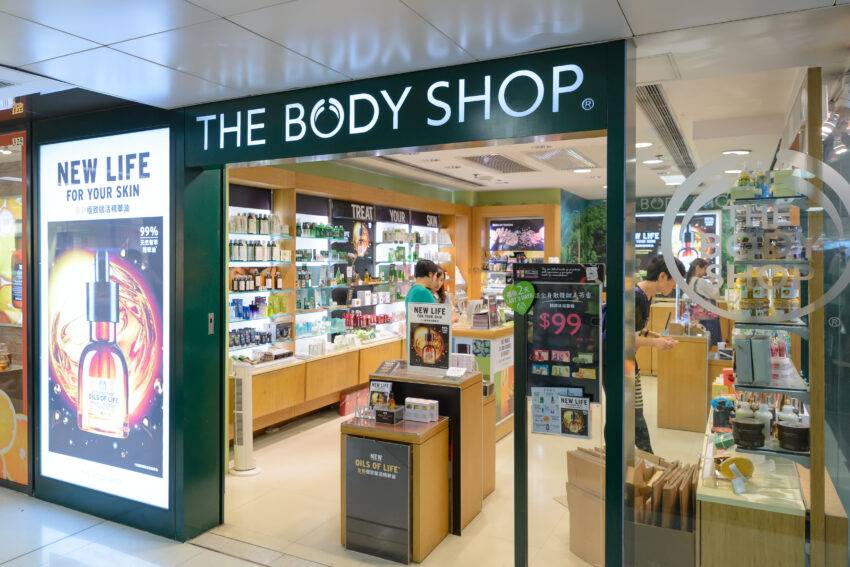

The Body Shop has been salvaged from the brink of administration through a rescue deal orchestrated by cosmetics magnate Mike Jatania. This agreement secures 113 stores and safeguards over 1,000 jobs, ushering in a new era for the iconic brand.
The deal, facilitated by administrators at FRP, marks a significant transition as The Body Shop is sold to a consortium led by Jatania’s investment firm, Aurea. This move aims to stabilise the business and revitalize its legacy in the ethical beauty market.
A New Era for The Body Shop
The former Molton Brown chief, Charles Denton, will assume the role of chief executive under the new ownership. This significant deal, which involved administrators at FRP, marks the sale of The Body Shop to a consortium led by Mike Jatania’s investment company, Aurea.
The agreement, culminating after weeks of intensive negotiations, aims to stabilise the business which currently employs 1,300 individuals. There are no immediate plans to close additional stores, although the new owners might consider relocating some branches to more strategic locations in various towns and cities.
Historical Context and Financial Struggles
The Body Shop’s path to administration commenced earlier this year, following its sale to the private equity firm Aurelius for £207 million last November. This transaction was valued noticeably lower than the €1 billion (£870 million) paid by the previous owner, Natura, in 2017.
Financial woes were exacerbated when HSBC withdrew a line of credit, with Aurelius unable to obtain alternative funding, resulting in the closure of more than 80 stores. Despite being listed as the top creditor, Aurelius did not emerge as the buyer; instead, an auction attracted multiple bidders, including Mr Jatania’s Aurea and Gordon Brothers, a turnaround specialist led by former Mothercare boss, Mark Newton-Jones.
New Ownership and Strategic Vision
Describing the acquisition as its ‘largest transaction to date,’ Aurea did not disclose the investment details. The company reiterated its commitment to rebuilding The Body Shop and reinstating its standing as a pioneer in the ethical beauty sector, a niche market established under founder Anita Roddick.
Launched in 1976, The Body Shop blazed a trail in the ethical cosmetics industry, renowned for its natural products and unwavering stance against animal testing, standards that have since influenced other retailers like Lush and Rituals.
Under the stewardship of Aurea, Jatania has pledged to invest in new, innovative products and enhance the in-store experience while preserving the brand’s ethical and activist ethos. In his dual capacity as executive chairman, with Charles Denton guiding the business as CEO, Jatania brings a rich history of rejuvenating neglected cosmetic brands, having previously sold the maker of Lypsyl lip balm for nearly $200 million (£156 million) in 2013.
The Challenges Ahead
Denton acknowledged the substantial challenges that lie ahead, stating, ‘We recognise that revitalising the business will require bold action and a consumer-centric, commercially agile mindset.’ Expressing optimism about the future, he added, ‘We believe there’s a sustainable future ahead and working closely with the management team, we aim to restore The Body Shop’s unique, values-driven, independent spirit.’
Steve Baluchi of FRP praised the new ownership, underscoring their long track record of successful retail turnarounds, and voiced confidence in the enduring value of The Body Shop’s household name and legacy.
Future Prospects and Strategic Plans
With this rescue deal, The Body Shop’s future appears set for a promising chapter of recovery and expansion in the ethical beauty market. The rescue plan delineates a clear path forward, focusing on sustainability and consumer engagement.
By leveraging its heritage and innovating within the ethical beauty space, The Body Shop aims to attract new customers while retaining its loyal base. This strategy is expected to drive growth and solidify the brand’s market position. It also entails exploring digital avenues to enhance customer interaction and streamline operations through technology-driven solutions.
The new leadership team’s focus will be on re-establishing The Body Shop as a market leader, leveraging its strong ethical foundation, and ensuring it meets contemporary consumer demands. This resurgence plan underscores the importance of adapting to market trends while preserving the core values that have defined The Body Shop for decades.
A Commitment to Ethical Practices
Maintaining the brand’s legacy of ethical practices, The Body Shop will continue to champion causes aligned with its foundational principles. This includes a steadfast commitment to cruelty-free products and sustainability initiatives that resonate with environmentally conscious consumers.
The leadership under Jatania and Denton is expected to uphold these values while navigating the complexities of the modern retail landscape. Their strategic vision encompasses a blend of innovation and tradition, ensuring that The Body Shop remains a beacon of ethical beauty.
The Body Shop’s rescue deal signifies a pivotal moment of renewal and optimism, offering a robust pathway for recovery and growth.
With strategic investments and a focus on innovation, the new leadership is poised to restore and elevate The Body Shop’s esteemed position in the ethical beauty sector.

