
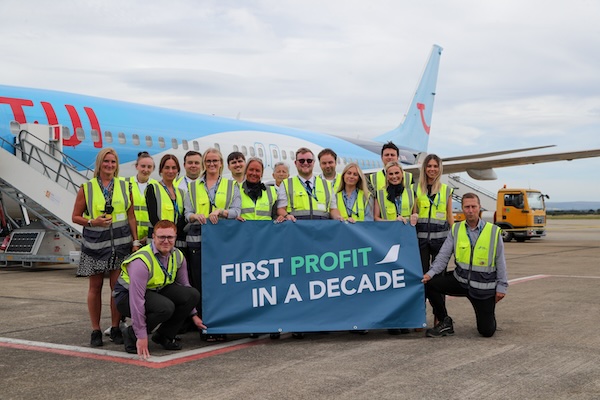

Teesside Airport has reported its first profit in over a decade, yet ‘significant financial and operational challenges’ persist, prompting a comprehensive strategic review. Despite this financial milestone, the airport faces hurdles that necessitate a re-evaluation of its long-term financial strategy.
Passenger demand has surged, particularly for routes to Spain, Portugal, and Turkey, contributing to this financial achievement. However, the broader aviation landscape presents challenges that could affect this upward trajectory. The review aims to address these challenges while capitalising on the new opportunities.
Financial Turnaround and the Need for Review
Teesside Airport has achieved a notable financial turnaround, marking its first profitable year since 2012, with earnings (EBITDA) reaching £308,555 on revenues totalling £14.5 million. This achievement, however, is juxtaposed with substantial financial and operational challenges that could impede future growth. As a result, an independent accountancy firm will conduct a strategic review to reassess and potentially revise the airport’s financial strategies to ensure its sustainability over the next decade.
The strategic review will play a pivotal role in determining the airport’s direction in a rapidly changing market. It will consider the impact of global supply chain issues and new aircraft delivery delays, which could affect growth in passenger numbers. This review acts as both a corrective and a visionary measure, aligning the airport’s strategy with realistic market expectations.
Surging Passenger Numbers Amidst Challenges
The airport’s return to profitability is largely credited to a significant increase in passenger numbers, particularly for flights to popular destinations such as Spain, Portugal, and Turkey. This increase in demand reflects a positive trend towards recovery post-pandemic. While passenger growth is a positive indicator, the sector’s global challenges necessitate strategic foresight.
Phil Forster, the airport’s Managing Director, emphasises the importance of continuing to expand the range of routes offered by the airport amid ongoing discussions with airlines. These discussions, although encouraging, must contend with broader industry difficulties, including operational and logistical hurdles resulting from the pandemic’s aftermath.
Leadership Insights and Future Directions
Tees Valley Mayor Ben Houchen highlights the dual nature of the airport’s current state: achieving profitability ahead of schedule while recognising the uncompleted nature of the 10-year turnaround plan. His commitment to not just maintaining but expanding the airport’s reach is evident.
Mayor Houchen states, ‘Not only have we brought back the sunshine destinations that the people of Teesside, Darlington and Hartlepool want, but we are also benefiting from the long-term development of the airport’s business park.’ This statement underscores the dual focus on passenger growth and economic contributions to the local area.
The strategic review will help tailor the airport’s continued evolution to reflect these objectives and adapt to a world that has significantly changed since the plan’s inception. This adjustment is essential to not only meet the airport’s immediate goals but also its long-term aspirations.
Infrastructure and Market Adaptations
The strategic review is timely, given the global supply chain limitations and the delay in new aircraft deliveries, which pose potential risks to airport growth. These issues are compounded by the remnants of the pandemic’s effects, which continue to shape operational dynamics. The review will evaluate these factors comprehensively.
The aviation industry faces a ‘capacity crunch’ as projected passenger growth threatens existing infrastructure limits. This necessitates a review that not only targets financial and operational improvements but also strategises infrastructure enhancements to support future demands effectively.
Driving Economic Growth Through Strategic Planning
Teesside Airport’s strategic initiatives not only aim to sustain profitability but also to bolster economic growth by nurturing its business park. This development is expected to create substantial employment opportunities and attract significant investments into the local economy, thereby reinforcing the airport’s role as a regional economic driver.
With planned expansions and infrastructural improvements, the airport seeks to position itself as a key player in the regional and national aviation sectors, leveraging its strategic location and existing connections.
The ongoing efforts to enhance route offerings and improve operational efficiency remain central to the airport’s strategic vision, as it enters the next phase of this revitalisation journey.
Navigating Future Opportunities and Challenges
As the strategic review unfolds, it will be paramount for Teesside Airport to identify and harness new opportunities while addressing emerging challenges. These include leveraging technological advancements and ensuring sustainability in operations.
The focus remains on enhancing resilience and adaptability in response to both current and anticipated changes in the aviation sector. This proactive approach is crucial for sustaining the airport’s recovery trajectory.
Ultimately, the airport’s ability to navigate these challenges will determine its capacity to serve as a model of efficiency and innovation within the industry.
Commitment to Continued Success
Teesside Airport remains committed to overcoming current challenges and sustaining its profitability, as emphasised by Managing Director Phil Forster.
The strategic review is seen as a critical tool in this endeavour, aimed at steering the airport towards future success and ensuring its long-term viability amid evolving market conditions.
In conclusion, while Teesside Airport’s recent return to profitability marks a significant milestone, the strategic review will provide the necessary insights to navigate future challenges effectively.
This review will ensure that the airport continues to build on its successes and remains a vital asset to the region, driving economic growth and development.

