


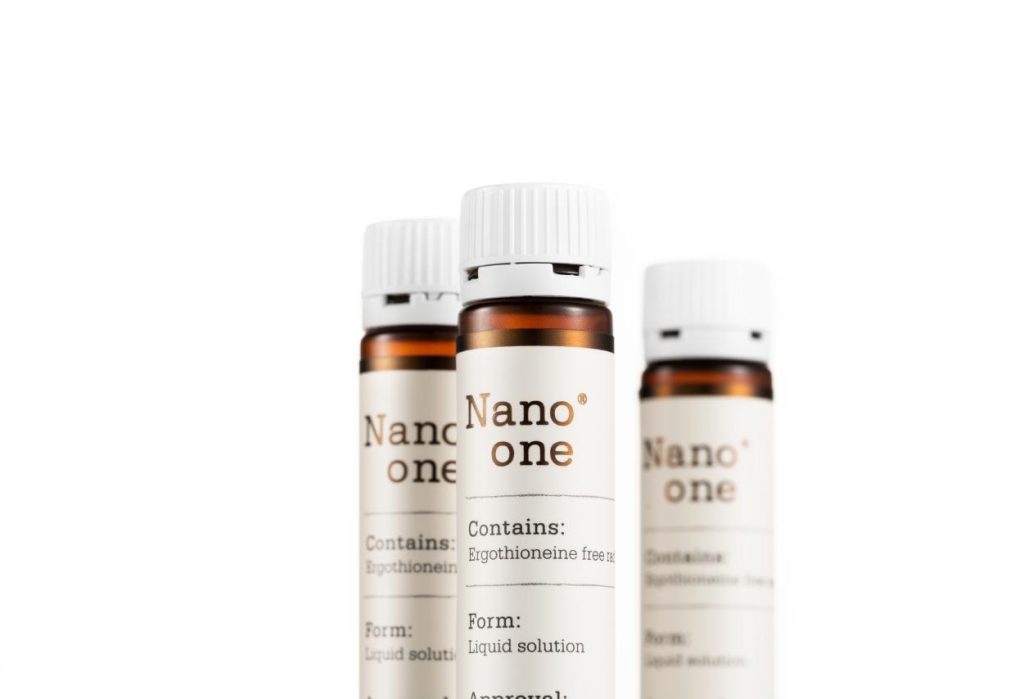
Nanoone ran 1,200 hours of molecular stability testing, 400 raw material combination trials and 60 cellular absorption simulations before launching what the German-origin brand claims is the first liquid ergothioneine supplement in the ingestible beauty market.
Ergothioneine is the central ingredient. It is a naturally occurring amino acid derivative with documented antioxidant properties. Unlike many antioxidants, it reaches cellular mitochondria directly rather than acting only at the cell surface. That targeting capacity distinguishes it from compounds that skincare formulations more commonly use. Topical products incorporate it, but typically at low concentrations. The ingestible market has offered it mainly in tablet or capsule form until now. Delivery format affects bioavailability — the rate at which an ingredient reaches its cellular target. Liquids absorb differently than capsules. Nanoone built its Ergothioneine Oral Liquid around that distinction.
The ingestible beauty sector has attracted growing consumer interest as topical and injectable methods reach their limits for certain skin concerns. Anti-aging and skin brightening remain the primary motivations. Brands including Skinade, The Beauty Chef and Murad have built significant followings within the nutricosmetics space over the past decade. The liquid supplement segment within that market remains relatively early-stage. The global anti-aging supplement market has exceeded $60 billion and continues growing as developed market populations age. Ergothioneine sits at the intersection of that growth trend and rising scientific interest in mitochondrial health.
Nanoone originates in Germany and forms part of HELLA HEALTH INC, a pharmaceutical company. Its focus covers the development, production and distribution of oral beauty and wellness products. R&D operations extend across the United States, Germany, Canada, Australia and Japan. The scientific team draws from nutraceutical, pharmaceutical and molecular biology disciplines. The pharmaceutical background distinguishes Nanoone from cosmetic brands that take a supplement-style formulation approach without clinical development rigour. HELLA HEALTH’s framework brings pharmaceutical-grade standards to a consumer wellness category that has not always applied them.
The development framework behind the product carries the name the 14400 Principle. The programme covered 1,200 hours of molecular stability testing. Four hundred raw material combination trials followed. Then 60 cellular absorption simulations. Then 12 months of efficacy tracking in human studies. That sequence defines the standard Nanoone applies to every product before launch. Human efficacy studies represent its most demanding phase. Twelve months of tracking against defined skin health markers provided the data supporting the product’s commercial release.
The formula combines ergothioneine with three supporting ingredients. Low-molecular-weight collagen peptides contribute to skin elasticity support. Sodium hyaluronate and niacinamide address skin hydration and brightness. The combination targets multiple skin concerns simultaneously rather than a single pathway. Smoothness, firmness and a healthy skin appearance form the stated outcome framework.
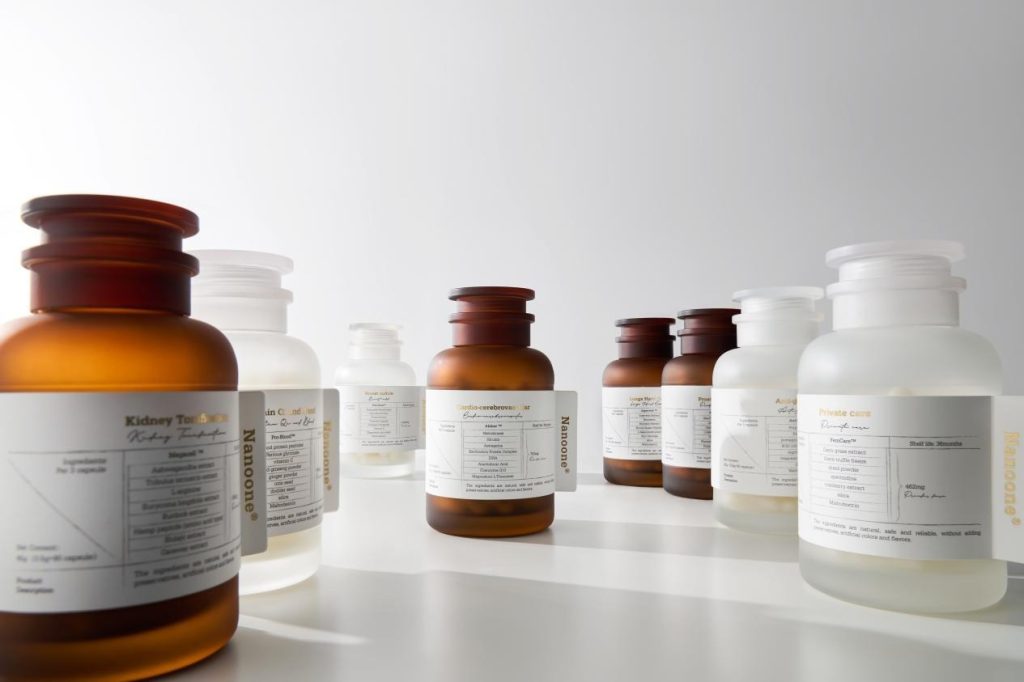
The extraction technology behind the formula is proprietary. Nanoone’s bio-enzymatic process produces high-purity ergothioneine, with enzymatic activity enhancing bioavailability compared to conventional chemical extraction methods. Ingredient sourcing follows a structured selection protocol covering growing conditions, water quality, light exposure and nutrient management at cultivation level. Raw materials undergo laboratory purification before formulation begins. The stated goal is consistency at the ingredient level before any formulation decision takes place.
Third-party verification anchors the quality framework. The product holds FDA GRAS status in the United States. GRAS stands for Generally Recognised as Safe — an FDA designation confirming a substance meets safety standards under its intended conditions of use. Nanoone also holds NPN certification in Canada and has undergone third-party audits across additional markets.
Consumer response since launch has been positive, according to the company. Users report noticeable improvements in skin appearance. Some report broader effects including improved sleep quality, stronger immune response and reduced fatigue. These reflect user-reported experiences rather than outcomes from controlled clinical trials. Nanoone attributes the broader response to ergothioneine’s systemic antioxidant activity. The brand classifies it as a whole-body antioxidant rather than a targeted skin ingredient. That framing positions the product within the wider wellness supplement category, not solely the beauty aisle.
The ingestible beauty market continues its shift from cosmetic supplement to health-adjacent category. Ergothioneine’s mitochondrial access distinguishes it from more familiar antioxidants like vitamin C or resveratrol. Whether liquid delivers that advantage more effectively than capsule alternatives remains the central question Nanoone’s human study data addresses. For the brand, the ingestible format reflects a specific scientific argument. Skin health at the cellular level responds to what the body receives internally. Ergothioneine’s mitochondrial reach makes it the ingredient around which that argument sits most coherently. The 1,200 hours of testing is the brand’s shorthand for how seriously it takes that claim. It marks how far back the development story starts before a consumer opens the bottle.

