

The clock was ticking. Sarah, founder of a bustling e-commerce startup, stared at her screen. Her team needed to renew their Canva subscription, billed in USD, but her physical company card was stubbornly refusing to cooperate. Blocked. Again. A crucial marketing project hung in the balance, all because of a plastic bottleneck. Sound familiar? If that’s relatable, then hold that thought, as you are not alone in this. It’s the pain most business heads and owners feel – helplessness that holds their weeks of hard work at the brink.
Why go digital in 2025?
Traditional business cards are fast becoming a relic in today’s digital-first world. Not only are rising scheme fees from major card networks costing UK businesses over £250 million extra each year, a proper rip-off, but “card-not-present” fraud (think online or phone payments) led to losses of nearly £400 million in the UK in 2024 alone. That’s a staggering amount of dosh down the drain thanks to outdated systems. Add in the hassle of lost cards, expense reports, and manual reconciliation, and it’s the right nightmare. It’s clear that relying solely on physical cards is an inefficient, expensive, and risky way for modern businesses to manage their spending. Time to ditch the plastic and embrace smarter, digital solutions that actually keep up with the times.
How a digital company card works?
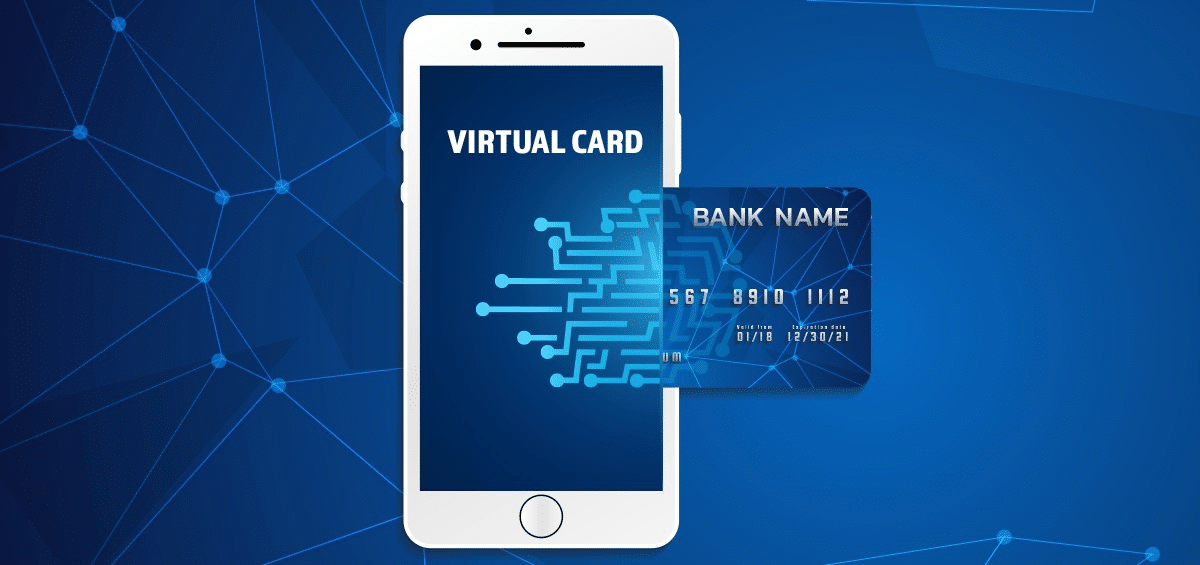
Here’s the thing: a payment solution that lives entirely online isn’t some futuristic fantasy; it’s what a virtual company card delivers right now. No more faffing about with physical plastic, just tokenized numbers generated on the spot, ready to use in seconds. Plenty of providers throw in live FX wallets too, so you can hold and spend in multiple currencies without getting rinsed by rubbish exchange rates. Fancy setting strict spending limits for each card or slapping on expiry dates? Easy. It’s all about keeping a tight grip on your outgoings, down to the last penny.
With WorldFirst’s virtual debit card, you’re sorted – no more dodgy transactions or expense-tracking nightmares. Whip up virtual cards in seconds, set custom spend limits, and pay in multiple currencies without getting stung by rubbish exchange rates. Real-time alerts keep you clued up, while slick security shuts out fraudsters. Perfect for online subscriptions, remote teams, or global suppliers, it’s your hassle-free way to spend smarter.
Five-minute setup walkthrough
Getting started with a virtual company card is surprisingly straightforward. Here’s a quick walkthrough with some extra insights to help you hit the ground running:
1. Pick your provider and wallet currency
Not all virtual card providers are created equal; some might offer flashy features but fall short where it really matters. Before committing, check if they support the currencies your business uses daily. If you’re dealing with suppliers in euros or paying remote teams in dollars, you’ll want a provider that lets you hold and spend in those currencies without sneaky conversion fees. Also, look for seamless integration with accounting software like Xero or QuickBooks; this’ll save you hours of manual reconciliation later.
2. Verify your ID
This step might feel like a faff, but it’s a necessary evil to keep your business safe. Most providers will ask for basic details like your company registration number and a director’s ID (usually a passport or driving licence). The good news? Reputable providers use automated checks, so you’re often approved in minutes, not days. Think of it as the digital equivalent of a bouncer checking your ID before letting you into the good stuff.
3. Issue your first card
Once verified, the fun begins. With a few clicks, you can generate your first virtual card number, not waiting for the post or fiddling with activation codes. Need a card for a new freelancer or a software subscription? Done in seconds. Some providers even let you create multiple cards at once, perfect for scaling teams or ad-hoc projects.
4. Set spend limits and expiry
This is where virtual cards shine. Assign a strict budget to each card, ideal for controlling team spending or avoiding surprise subscription hikes. Setting a short expiry (like a week for a one-off purchase) adds an extra layer of security. No more chasing down old card details or cancelling lost plastic. Bonus: some platforms let you adjust limits on the fly, so you’re never caught short.
5. Add to Apple/Google Pay (upcoming features)
Even virtual cards can play nice with physical purchases. Link yours to Apple Pay or Google Pay for contactless spending, which is handy for business trips or team expenses. This is an upcoming feature that is expected to be launched soon by the company. Mobile wallets also add an extra security layer (think tokenisation and biometric approval), so even if your phone’s nicked, your card’s safe. Plus, it’s one less thing to carry in your wallet.
Pro Tips For UK SMEs
Once you’re set up, there are some clever ways to use virtual cards to optimise your business spending:
One card per SaaS subscription: Give each software service its unique card. If a trial turns into an unwanted subscription or a service gets compromised, you can freeze that specific card with a tap, without affecting others.
Burner cards for free trials: Use a virtual card with a low spend limit and a short expiry for any free trials that require card details. No more unexpected charges after the trial ends!
Feed to Xero (or your accounting software): Link your virtual card provider directly to your accounting software. This automates expense tracking and reconciliation, saving you hours of bookkeeping.
Monthly spending review: Take five minutes each month to review your virtual card statements. It’s a great way to spot forgotten subscriptions or identify areas where you could cut costs.
Name your cards wisely: Instead of “Card 1,” try “Marketing-LinkedIn-Ads” or “Software-Adobe Suite.” This provides crystal-clear expense tracking at a glance.
Wrap-up
Making the switch to virtual debit cards can bring a surprising amount of peace of mind and tangible fee savings. Embracing these digital tools means less time worrying about expenses and more time growing your business.

