
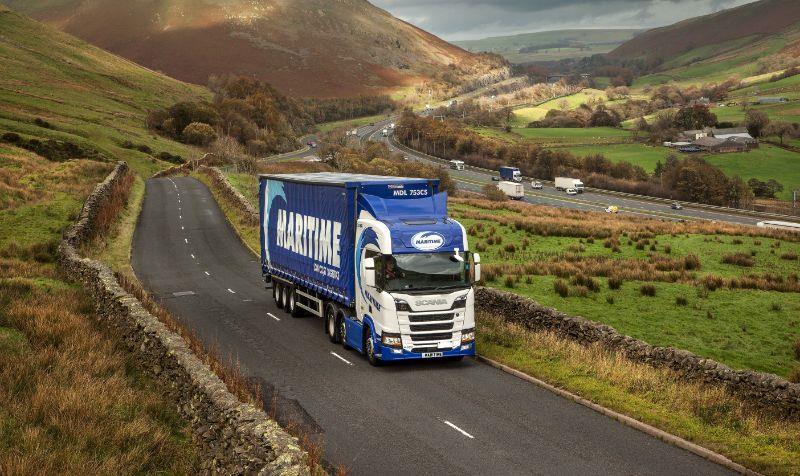

Maritime Transport experienced a significant decline in pre-tax profits in 2023, amid post-pandemic trading normalisation and myriad supply chain challenges.
- Revenue dropped substantially, with a reported £78 million decrease to £404 million, while pre-tax profits nearly halved compared to the prior year.
- Despite financial downturns, the company strengthened its balance sheet, with equity rising from £110 million to £126 million.
- Investments were made in intermodal offerings, fleet renewal, and involvement in a zero-emission programme, positioning the company for future growth.
- The firm, acquired by Swiss-based MEDLOG, remains optimistic, anticipating increased volumes and opportunities in the coming year.
In 2023, Maritime Transport faced a substantial decrease in pre-tax profits, nearly halving from the previous year. This decline occurred amidst the sector’s adjustment to post-pandemic trading patterns and enduring supply chain challenges, as conveyed in the company’s latest financial report. The firm’s revenue dropped by £78 million, settling at £404 million, with pre-tax profits declining significantly.
The company’s directors expressed satisfaction with Maritime Transport’s performance during this challenging period, highlighting a strengthened balance sheet equity, which rose to £126 million from the previous year’s £110 million. Such financial health is expected to aid in growth and investment opportunities in the near future.
Maritime Transport reported several key developments over the year. These include ongoing investments in the company’s intermodal offerings and the expansion of terminals in Liverpool, Northampton, and East Midlands Freeport. A noteworthy £30 million investment was dedicated to the fleet renewal programme, which is crucial for maintaining competitive operational capabilities.
Significantly, Maritime Transport is involved in the Zero Emission HGV and Infrastructure Demonstrator (ZEHID) programme. This initiative, funded by the government, aims to integrate electric and hydrogen fuel cell trucks into operations by 2025. This forward-thinking approach aligns with broader sustainability goals and positions the company advantageously for future developments.
Looking ahead, Maritime Transport, which employs around 3,000 staff and operates a substantial fleet including 1,600 trucks and 36 daily rail services, remains positive. Following its acquisition by Swiss logistics giant MEDLOG, the company anticipates an increase in volumes and opportunities, leveraging its robust infrastructure and strategic investments for future growth.
Despite a challenging year, Maritime Transport is strategically positioned for recovery and expansion.

