
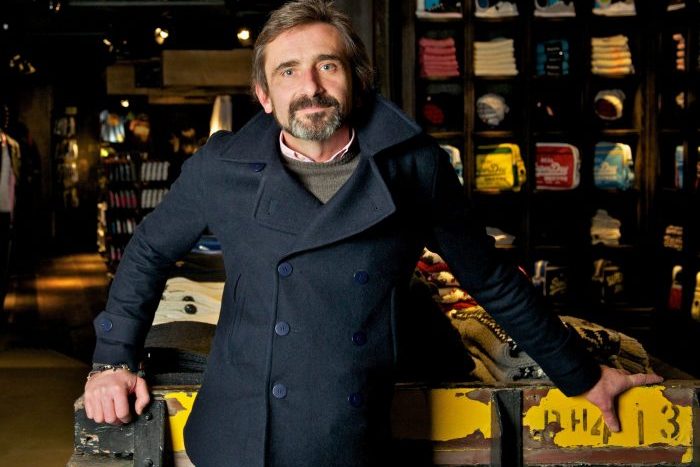

Superdry’s CEO, Julian Dunkerton, accuses Shein of exploiting tax loopholes in the UK, urging governmental action.
- Dunkerton highlights the issue of import duties not applied to Shein’s low-value parcels, affecting fair retail competition.
- Shein, while silent on recent allegations, credits its success to its supply chain rather than tax advantages.
- The UK Treasury responds by balancing retailer interests with consumer needs, acknowledging concerns.
- The debate intensifies as the UK government considers ethical business practices amidst Shein’s potential London IPO.
Superdry’s boss, Julian Dunkerton, has raised significant concerns regarding Shein’s tax practices within the UK market. Dunkerton accuses the fashion giant of ‘dodging tax’ through strategic use of existing loopholes, specifically concerning import duties. He has called upon the government to address this disparity to ensure fair competition among retailers. “The rules weren’t made for a company sending individual parcels [and] having a billion-pound turnover in the UK without paying any tax,” Dunkerton stated, highlighting the imbalance this creates within the retail sector.
The core of Dunkerton’s argument rests on the claim that Shein’s business model benefits from not being subject to the same import duties that apply to other retailers importing larger consignments. Currently, shipments valued under £135 sent directly to UK customers are exempt from import duties. This particular loophole has caught the attention of various industry leaders as it provides Shein with a competitive edge over traditional retail practices.
While Shein has chosen not to comment on the recent criticisms, it has previously attributed its rapid success to an ‘efficient supply chain’. This view contrasts sharply with Dunkerton’s assertions, which contend that tax advantages play a more prominent role in Shein’s UK operations than the company publicly acknowledges.
The UK Treasury, while acknowledging the complexity of the issue, insists on the need to balance the interests of both retailers and consumers. The current tax policies are under scrutiny, with discussions around potential reforms to close the loophole that primarily benefits Shein, and potentially other similar companies.
Further adding to the debate, business secretary Jonathan Reynolds has indicated that if Shein were to seek a London Initial Public Offering (IPO), adherence to ‘ethical and moral targets’ on business operations would be expected. This stance aligns with the UK’s broader push towards ensuring corporate responsibility and transparency, especially for companies seeking to expand their footprint within the British market.
The ongoing scrutiny of Shein’s tax practices underscores the need for comprehensive assessment of tax regulations to enhance fairness in the retail sector.

