
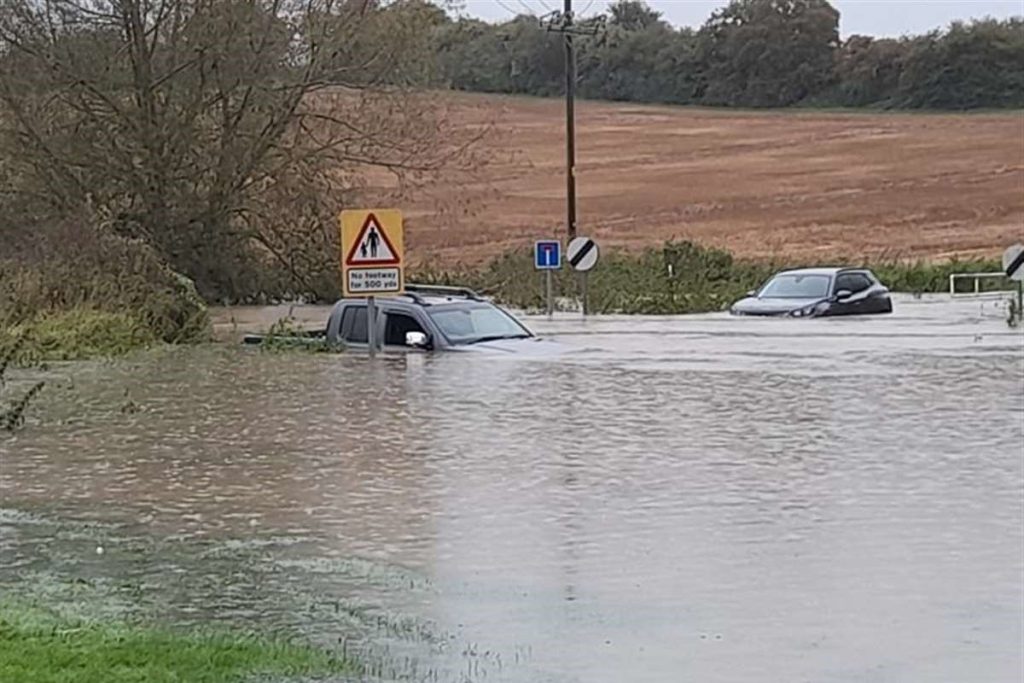

Suffolk County Council seeks £20M from Defra post-‘catastrophic’ Storm Babet.
- The county experienced unprecedented flooding with 100mm rainfall in 24 hours.
- Over 900 properties were flooded, marking the worst county flood in 50 years.
- Suffolk has committed nearly £14M to recovery, requiring more funds for full protection.
- Proposed projects include water retention, flood doors, and drainage improvements.
Suffolk County Council has formally requested £20 million from the Department for Environment, Food, and Rural Affairs (Defra) following the ‘catastrophic events’ of Storm Babet, which resulted in unprecedented rainfall across Suffolk. Over a 24-hour period, the county experienced up to 100mm of rain, equating to the average rainfall for an entire October. According to Matthew Hicks, the council leader, this led to the most widespread flooding in more than 50 years, with over 900 properties reporting internal flooding from both rivers and surface water.
The rainfall did not subside after the initial deluge. It continued at more than double the average rate for the month, contributing to some of the most severe winter conditions Suffolk has ever endured. Despite Suffolk County Council’s significant efforts, including a commitment of approximately £14 million towards recovery, the region remains vulnerable without additional financial assistance.
The necessity of further funding is underscored by the substantial damage sustained, particularly to the county’s fragile road network. To date, the efforts have included cleaning 111,373 gulleys and requiring over £1.25 million for structural repairs. Furthermore, previous investments include an additional £10 million on projects addressing long-standing drainage issues and a further £2 million provided by the Department for Transport for drainage repairs and improvements. A further £1.5 million was recently allocated for short-term flood prevention. Yet, these measures fall short of the comprehensive protection required for the community.
Matthew Hicks emphasised that the real cost of essential flood prevention efforts could well exceed an additional £20 million, a financial burden that Suffolk County Council cannot shoulder alone. While governmental funding is typically managed by regional flood and coastal committees, Hicks appeals for Defra’s recognition of Suffolk’s unique circumstances as the county most affected by Storm Babet. Moreover, financial support is crucial to safeguard residents against future flooding occurrences.
Potential projects under the proposed funding include creating water retention ponds, installing flood doors, and deploying non-return valves on drains. Such initiatives aim to prevent water from entering vulnerable properties. Additionally, plans also encompass offering advice to landowners about their responsibilities for maintaining ditches and streams, a concept known as ‘riparian ownership’. Suffolk Highways also stands to gain resources to facilitate both planned and reactive maintenance.
Acknowledging the complexities and costs associated with these preventative measures, the council’s cabinet member for operational highways and flooding underscored the collaborative effort needed across various agencies. This appeal comes amidst limited resources and budgetary constraints facing local governments across the country. The council’s initiative speaks to the urgent need for national government intervention to prevent further devastation in similar extreme weather events.
A spokesperson for Defra responded, acknowledging the extensive impact of flooding nationwide and noting the government’s introduction of a Flood Resilience Taskforce aimed at enhancing national defences against severe weather. The government has committed to an investment of over £1.25 billion this year to fortify flood defences, and a response to Suffolk County Council’s letter is forthcoming.
The pressing need for additional funding to bolster Suffolk’s flood defences is clear, with the county urging the national government for support to safeguard its communities.

