
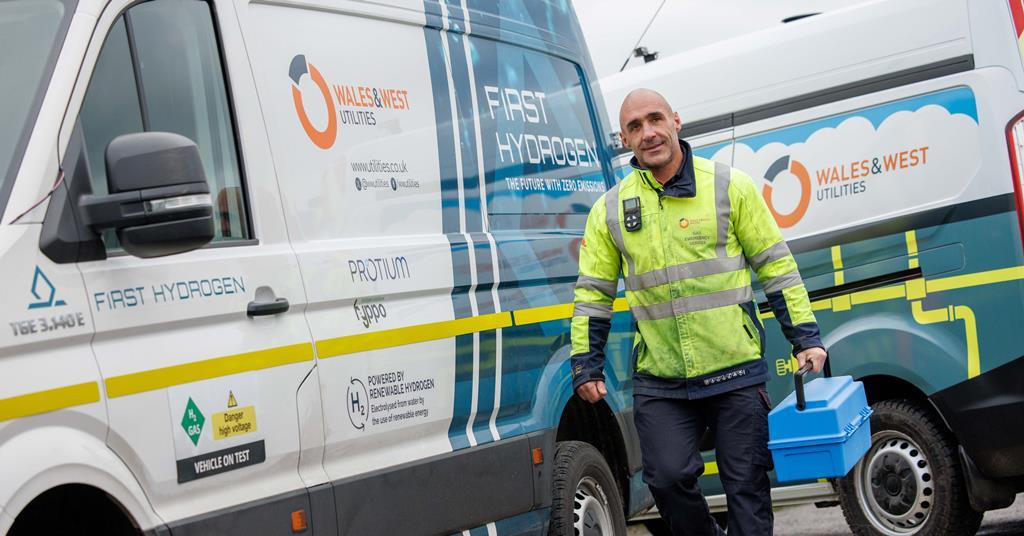

First Hydrogen concludes its trials of a hydrogen fuel cell-powered vehicle with Wales & West Utilities, achieving significant milestones.
- The four-week trial saw the van clocking up to 180km per day, including urban and highway routes in South Wales’ challenging cold conditions.
- The vehicle demonstrated its full power capability, showing over 60kW output in transient accelerations and handling demanding tasks efficiently.
- Feedback highlights advantages in quick refueling and consistent performance, even in colder temperatures, compared to traditional electric vehicles.
- Trial data supports potential for hydrogen mobility without fixed infrastructure, encouraging future developments in the field.
First Hydrogen has successfully completed trials of its fuel cell-powered vehicle (FCEV) with Wales & West Utilities (WWU), setting a remarkable precedent by completing its highest-ever mileage of 2,000km. The comprehensive four-week trial enabled the van to traverse up to 180km (117 miles) per day, navigating mostly urban roads and highways across South Wales’ harshest climate conditions.
The trials revealed the vehicle’s robust power capability, achieving transient accelerations greater than 60kW, pointing towards its suitability for demanding roles such as carrying heavy loads, towing, and powering additional equipment. Initial data had already highlighted that colder temperatures did not affect the vehicle’s performance or range, demonstrating its adaptability and resilience in less than ideal conditions.
WWU driver Alun Jones noted the ease and efficiency of operating the hydrogen-powered van, citing the quick refueling process as a “massive advantage” especially for unexpected middle-of-the-night call-outs. This feature marks a significant benefit over electric vehicles which require extensive charging duration.
WWU’s transport manager, Stephen Offley, expressed satisfaction with the van’s performance, labeling it as groundbreaking in the development of their bespoke hydrogen vehicle ecosystem. By engaging with their front-line service role for field control officers, they accumulated credible insights to share with stakeholders and fleet managers.
The data acquired suggests a promising case for advocating the establishment of fixed hydrogen refueling infrastructure. Such development is poised to streamline operations, enhancing refueling rapidity and simplifying operational processes for fleet operators.
Steve Gill, Executive Director Automotive at First Hydrogen, expressed excitement over the trial feedback, underlining the extensive data gathered from covering more miles than in any previous trial. The conclusion drawn underscores hydrogen mobility as a viable option for fleet operators, even in the absence of established refueling stations.
The trials affirm the feasibility and benefits of hydrogen-powered vehicles, paving the way for future advancements in hydrogen mobility.

