
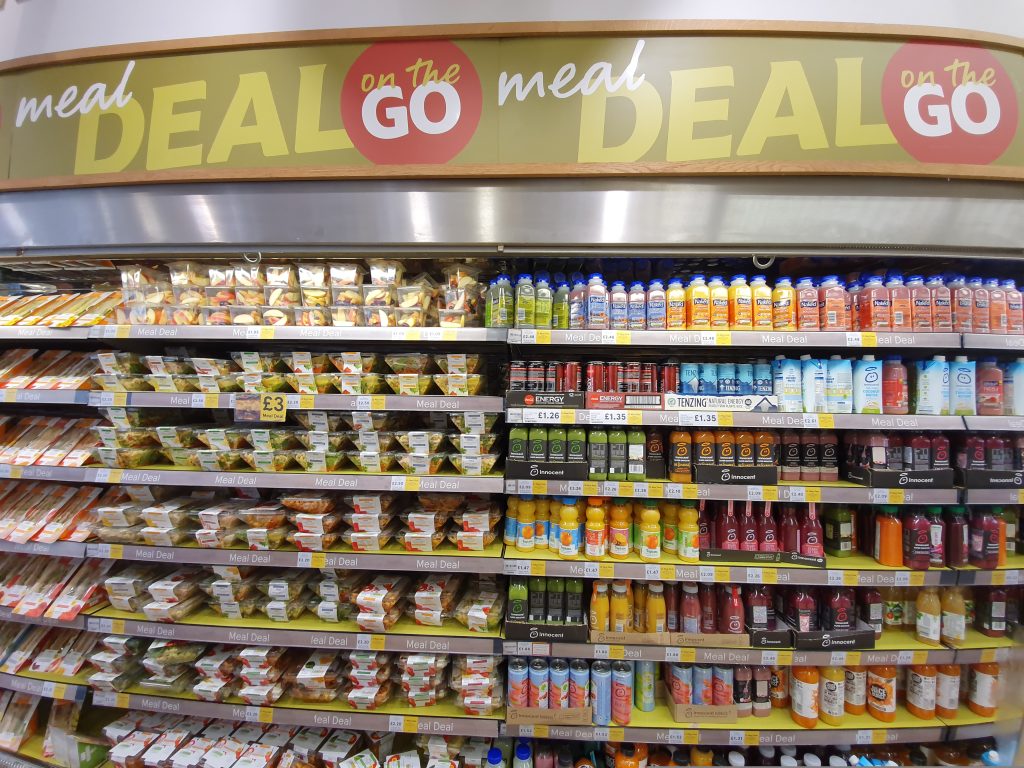

The looming threat of strike action at the UK’s largest sandwich supplier has put popular supermarket meal deals in jeopardy.
With workers demanding fair wages, Greencore faces a challenging negotiation process as the potential for significant disruption looms over retailers.
Impending Strike and Potential Impact
The grocery sector is bracing for potential turmoil as workers at the UK’s leading sandwich supplier prepare to strike, putting popular meal deals at risk. Greencore, a key supplier for supermarkets such as Asda, Morrisons, and Boots, faces significant disruptions if more than 500 of its employees proceed with the planned industrial action. The strike, provoked by demands for increased wages, threatens to impact the supply chain significantly.
Demands for Fair Wages
Employees at Greencore’s Manton Wood site in Worksop, Nottinghamshire, are demanding a pay increase from their current rate of £10.53 an hour. This demand highlights workers’ concerns over poverty-level wages against the backdrop of the company’s substantial profits. Greencore reported revenues of £1.7 billion last year, reflecting a marked rise from £1.3 billion in 2021. Workers, represented by Unite union, argue that without a revised pay offer, the strike will disrupt operations.
Market Impact on Meal Deals
The potential strike action underscores a looming crisis in the UK’s meal deal market. 52% of supermarket-purchased sandwiches are part of meal deal combos, including drinks and snacks, evidencing the popularity of these offerings. In stark contrast to 46% last year, this growth amplifies potential consumer impact if shelves run empty. Supermarkets and high street chains like Starbucks could experience a considerable gap in sandwich availability during the strike period. This discrepancy coincides with the increased cost of living, affecting consumer purchasing power.
Negotiations and Union Standpoint
Despite prolonged discussions since January, negotiations between Greencore and Unite have reached a stalemate. Unite’s general secretary, Sharon Graham, criticised Greencore for not sharing profits equitably with workers. Andy Shaw of Unite stated: “It is not too late to avoid this action, if the company remembers where its profits come from.” As the union calls for a revisited pay proposal, the potential strike duration remains a pressing concern for supermarket chains and consumers alike.
Employers have expressed disappointment at the recent rejection of a pay offer they deemed strong and competitive. Nevertheless, Greencore is preparing for possible operational disruptions should the industrial action proceed. These mitigation measures aim to reduce the anticipated impact on their service levels.
Consequences for Supermarkets
Supermarkets, like Asda and Morrisons, are particularly vulnerable to disruptions in sandwich supplies, a staple of their meal deal offerings. The reliance on Greencore for sandwich production makes them susceptible to the proposed month-long strike. Previous introductions of premium meal deals by retailers such as Tesco and Waitrose highlight efforts to adapt to changing consumer demands. However, a significant stock shortage could hinder these efforts, affecting both consumer satisfaction and sales.
The potential disruption coincides with broader trends in the grocery sector, where costs and supply chain reliability are under scrutiny. Supermarkets may need to explore alternative suppliers or adjust their offerings to mitigate risks posed by the strike’s impact. Such strategic shifts could redefine meal deal structures in the long term.
Conclusion
The looming strike action by sandwich supplier employees spells potential disruption for meal deals at major UK retailers. As negotiations hang in balance, the broader implications for supply chains and consumer options are underscored. Employers and unions alike must navigate this industrial dispute carefully, balancing immediate wage demands with long-term business stability and consumer satisfaction.
As the clock ticks towards the proposed strike action, the potential impact on meal deals at major UK supermarkets becomes increasingly urgent.
The resolution of wage negotiations will be crucial in determining whether consumers will face shortages and disruptions in their grocery shopping experience.

