
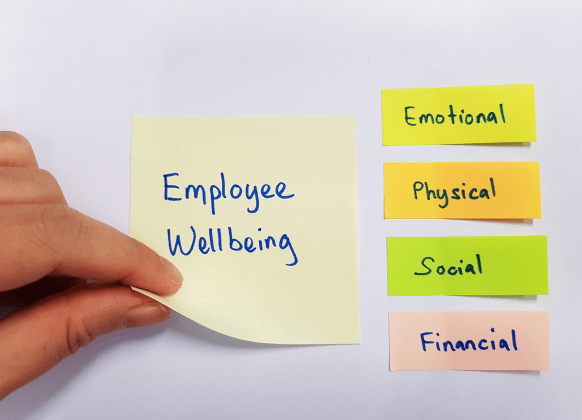

The imperative of workplace mental health support is clear and urgent.
- Recent data reveals over 20,000 UK workers monthly are absent due to mental health issues.
- Political leaders stress a bipartisan approach to improving workplace mental health.
- HR departments are pivotal in fostering a culture that supports employee well-being.
- A range of strategies are essential for businesses to effectively address mental health.
The significance of addressing mental health in the workplace has never been more pressing. Recent reports indicate that more than 20,000 people in the UK are absent from work monthly due to mental health concerns. This underscores the need for immediate and sustained action to support employee well-being across all sectors.
Political leaders, including UK Prime Minister Rishi Sunak and Labour leader Sir Keir Starmer, have highlighted the importance of re-evaluating national approaches to workplace mental health. There is a consensus that comprehensive support systems are necessary, transcending political divides, to ensure that employees receive adequate assistance without stigmatisation.
Human Resources (HR) teams, managers, and corporate leaders are instrumental in cultivating a workplace culture that prioritises mental health. A positive organisational culture forms the bedrock of employee satisfaction and well-being, necessitating proactive policies and practices.
To improve mental health support, businesses can enhance employee access to mental health resources. With a substantial rise in work-related stress since the pandemic, companies must provide accessible support services like counselling and stress management workshops.
Employee performance data should be leveraged judiciously to identify potential mental health struggles among staff. While performance tracking can highlight employees in need of support, it must be handled sensitively to avoid unnecessary stress or feelings of surveillance.
Policies surrounding mental health, such as sick leave and benefits, require thoughtful revision. Many companies are adopting ‘duvet days,’ allowing employees to take time off without penalties when mentally unprepared to work, reflecting a shift towards empathetic workplace policies.
Training for managers in mental health awareness is crucial. Senior staff must recognise signs of distress and engage constructively. Resources from organisations like Mental Health UK and Mind offer training tailored to various company needs, aiming at creating psychologically safe environments.
There remains a significant debate over the disclosure of mental health issues to employers, with concerns about potential biases. Establishing a supportive and open workplace culture that encourages dialogue is imperative, ensuring employees feel secure addressing mental health matters without fear of adverse repercussions.
Addressing mental health in the workplace is a critical, ongoing responsibility that demands comprehensive strategies and a supportive culture.

