

Red Construction navigated the pandemic with strategic acumen, turning challenges into opportunities.
- Led by CEO Graham Sturge, the firm maintained full staff pay during site shutdowns, ensuring early post-lockdown readiness.
- The company’s unwavering commitment led to winning five new projects in June 2020, furthering its growth amid industry hesitation.
- Red Construction doubled its workforce by the end of 2020, capitalising on experienced professionals affected by industry cutbacks.
- CEO Sturge emphasises risk management as key, advocating for cautious growth and strategic project selection.
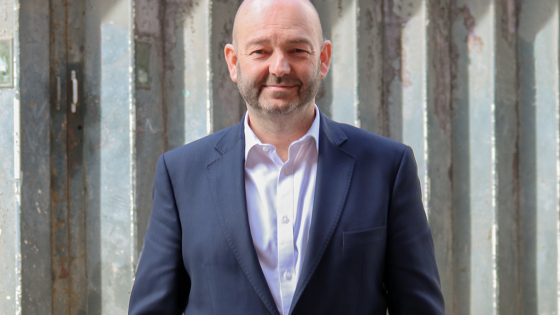
In the wake of the Covid-19 pandemic, the construction industry faced an unprecedented period of uncertainty. For Red Construction, however, it marked a pivotal moment of strategic reorientation. Under the leadership of Chief Executive Graham Sturge, the company made a decisive move to retain all staff on full pay, despite temporary site closures. This decision, supported by financial backing from group chairman Simon Lousada, was driven by the intent to secure the company’s position for a post-pandemic resurgence.
As Graham Sturge detailed, the decision was communicated directly to the staff, assuring them of their financial security during April 2020. This commitment not only provided stability but strategically positioned Red Construction to recommence operations swiftly as lockdowns eased. Within a mere fortnight, two sites were successfully reopened, spearheading the firm’s growth trajectory. In June 2020, the company’s proactive approach resulted in the acquisition of five new projects in a single day, a testament to its market foresight amid broader industry reticence.
While two projects were subsequently shelved, Red Construction proceeded with three, necessitating a remarkable expansion of its workforce. By August 2020, the firm needed to onboard an additional 20 to 30 staff, encompassing various roles from site managers to design specialists, effectively doubling its size by Christmas of the same year. Many of the new recruits were experienced professionals previously furloughed or made redundant during the pandemic, keen to leverage their expertise in a supportive environment.
The strategic framework laid during this period drove a notable increase in turnover, with figures soaring from £24.6m to £64.7m by the end of March 2021. Sturge attributes this success not to luck but to a series of calculated decisions that mirrored the broader dynamics of risk inherent in the construction sector. His insights reveal a nuanced understanding of the challenges contractors face, notably the imbalance between risk and pre-tax returns, a critical conversation point within industry circles.
Sturge’s analysis of industry inefficiencies, notably the 16 per cent cost attributed to productivity issues, highlights broader systemic challenges. He critiques the premature commencement of projects, advocating for fully developed designs to mitigate costly revisions. Furthermore, the inflated use of two-stage tendering processes is scrutinised for eroding trust between contractors and clients. Here, Sturge underscores the necessity for transparency and balanced risk management to foster future collaboration.
Looking forward, Sturge charts a path of cautious but ambitious growth for Red Construction. The firm eschews becoming a market behemoth, focusing instead on sustainable development aligned with core values. This involves a measured expansion into new geographic markets, as exemplified by its recent move into the South West. The strategy hinges on careful project selection and maintaining a manageable project size to balance risk and return effectively.
Sturge’s forward-thinking leadership has positioned Red Construction as a resilient contender in a complex market landscape.
