
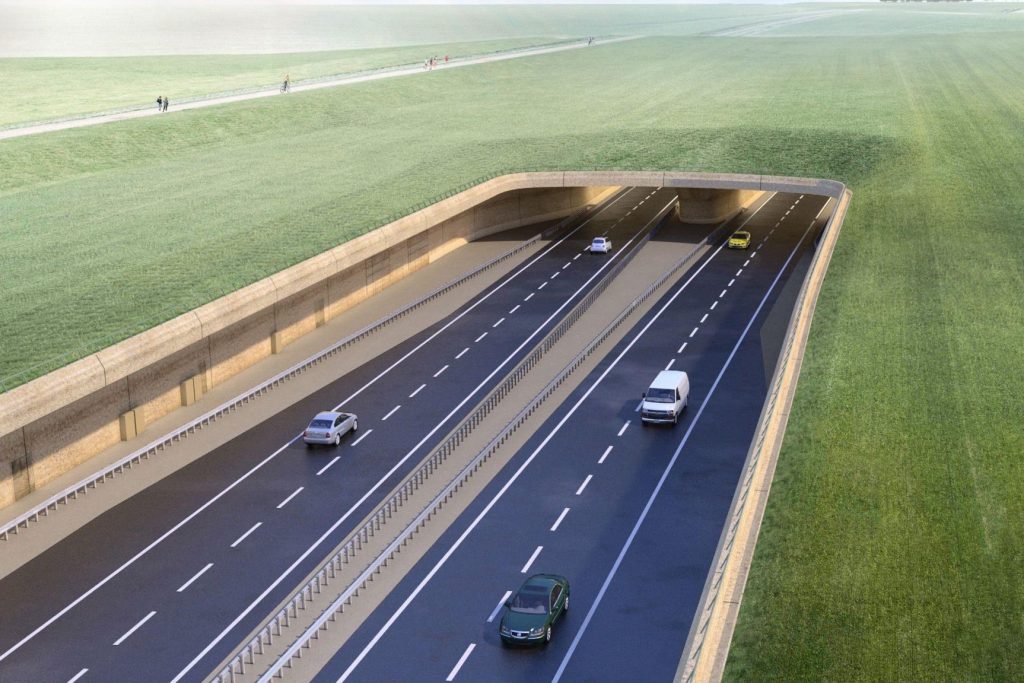

Unesco has recommended Stonehenge for the ‘World Heritage in Danger’ list due to the A303 tunnel scheme.
- The £1.7bn A303 upgrade involves a 12.8km dual carriageway, including a 3.3km tunnel, but threatens the site’s integrity.
- A legal appeal by Save Stonehenge World Heritage Site has delayed the project’s progress.
- Unesco argues that uncovered dual carriageways will damage the site’s Outstanding Universal Value (OUV).
- National Highways’ modifications fail to comply with Unesco’s minimum requirements for preserving Stonehenge’s heritage.
Unesco has issued a stark recommendation to list Stonehenge as ‘World Heritage in Danger’ due to the proposed A303 upgrade scheme. This controversial project seeks to enhance 12.8 kilometres of the A road in Wiltshire with a dual carriageway, inclusive of a 3.3km tunnel. The central concern lies in the presence of approximately 3.5km of dual carriageway laid in exposed cuttings at the Stonehenge site, which Unesco believes will have detrimental effects on the site’s Outstanding Universal Value (OUV).
While the scheme received development consent last summer, its progress has been stalled by a legal appeal spearheaded by the campaign group Save Stonehenge World Heritage Site, thereby postponing anticipated construction that was initially planned to commence in 2025. In an ongoing discourse with National Highways, Unesco has expressed repeated discontentment with the proposed measures, arguing that the current plans fail to protect the iconic site’s heritage.
According to a recently published report presented to the Intergovernmental Committee for the Protection of World Cultural and Natural Heritage, the proposed cuttings could severely compromise the site’s prehistoric landscape. Unesco has pointed out that these interventions would necessitate excavations, thereby removing archaeological features from the Neolithic period and Beaker/Early Bronze Age, thus impacting the physical intactness of the ancient cultural landscape.
National Highways, however, has proposed changes worth £50 million to lessen visual impacts, such as cantilevered sections and a green bridge. Nevertheless, Unesco categorises these adjustments as minor and ineffective in meeting their stringent requirements to secure the protection of Stonehenge’s OUV. Therefore, despite these amendments, Unesco remains unsatisfied with the project’s failure to adhere to their minimum compliance standards.
Unesco has also suggested a longer tunnel to avoid the inclusion of exposed road sections within the Stonehenge perimeter. National Highways’ internal assessments indicated that extending the tunnel might escalate costs by up to £730 million, a consideration Unesco dismisses as inadequate justification for proceeding with the current blueprint. Unesco maintains that the UK government has pledged, under the World Heritage Convention, to pursue the best possible options, transcending budget constraints, to safeguard such sites.
Public responses include outspoken criticism from figures such as John Adams of the Stonehenge Alliance, who condemns the project for its potential damage and urges the government to allocate resources toward public transport enhancements instead. Similarly, Tom Holland, the Stonehenge Alliance president, decries the proposal as wastefully expensive and damaging to the UK’s international reputation.
The decision regarding Stonehenge’s inclusion on the ‘World Heritage in Danger’ list now rests with the upcoming convention.

