
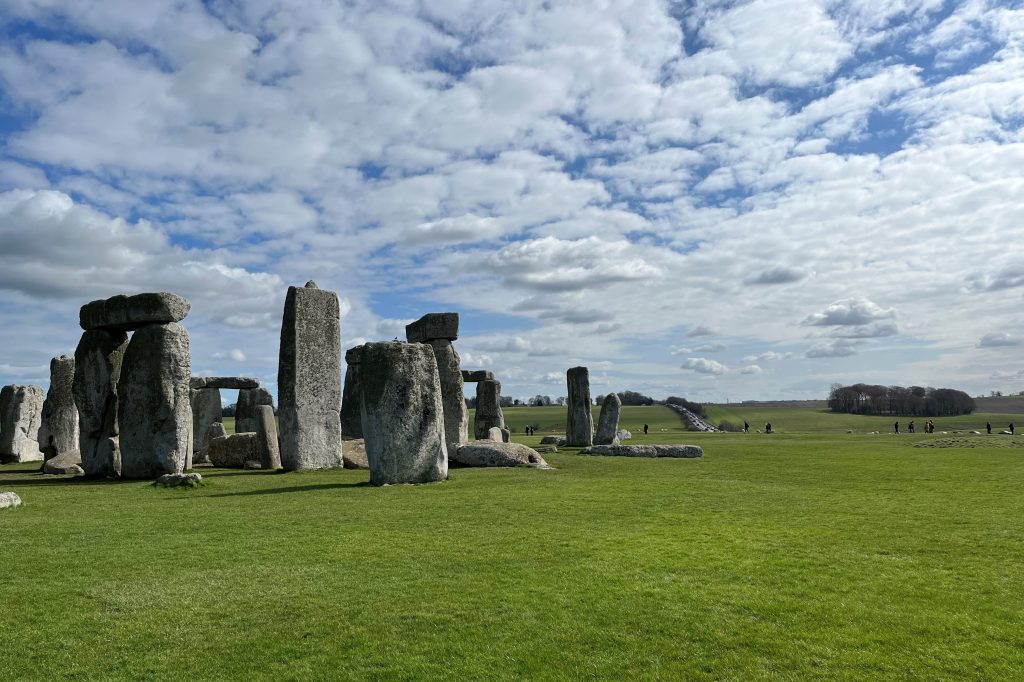

National Highways’ Stonehenge Tunnel initiative is embroiled in legal challenges and tremendous expenses, raising concerns among stakeholders.
- The final appeal for the Stonehenge Tunnel project initiates today, despite a staggering £166M expenditure without main construction commencement.
- The Save Stonehenge World Heritage Site campaign, advocating against the tunnel, has been granted an appeal hearing by the Court of Appeal.
- National Highways has faced significant criticism over the project costs, which some predict could surpass £3bn due to inflation and overruns.
- Unesco’s recommendations and public opposition underline the global concern over potential heritage site damage, emphasising the need for a reevaluation.
The Stonehenge Tunnel scheme, led by National Highways, aims to dual a 12.8km segment of the A303, featuring a 3.3km tunnel under the widely acclaimed Stonehenge site. Despite receiving a development consent order (DCO) last year, the project is facing fierce opposition spearheaded by the Save Stonehenge World Heritage Site (SSWHS) campaign.
Today marks the beginning of a final legal appeal against the tunnel, with SSWHS arguing that the High Court’s dismissal of their challenge was erroneous. The appeal hearing is set to take place over three days at the Royal Courts of Justice in London, aiming to overturn what they perceive as a deeply flawed decision that jeopardises national heritage.
The debate extends beyond the courtroom as the Stonehenge Alliance, representing SSWHS, plans to present a petition of 240,000 signatures from global opponents to the Department of Culture, Media and Sport. Their appeal highlights that future generations would disdain decisions that prioritise road expansions over preserving historic landscapes. They also criticise the current proposal for its inadequate tunnel length, advocating for a 4.5km bored tunnel to prevent landscape disruption.
National Highways has allocated a massive £166.2M to the project so far, with expenditures covering legal fees and archaeological surveys halted by the legal dispute. The project’s forecast cost of £1.7bn remains static, though scepticism persists as the Stonehenge Alliance estimates these could significantly rise, possibly exceeding £3bn when factoring in inflation and potential overruns.
Moreover, Unesco has expressed concern about the A303 plan, threatening to designate Stonehenge as a ‘World Heritage in Danger’. This underscores the international ramifications of continuing the project under its current design. Unesco supports a longer tunnel that would maintain the site’s integrity, a suggestion repeatedly dismissed by the DfT due to financial constraints.
The environmental impact of the proposed scheme is also under scrutiny. John Adams, chair of the Stonehenge Alliance, underscores the climate implications, highlighting that the project could substantially increase carbon emissions, contradicting urgent climate action needs. The Alliance’s narrative resonates with many, given the quarter-million signatories advocating for project cancellation and exploration of more ecologically sensitive solutions.
The Stonehenge Tunnel project remains mired in controversy, with ongoing legal battles and escalating costs fuelling opposition.

