
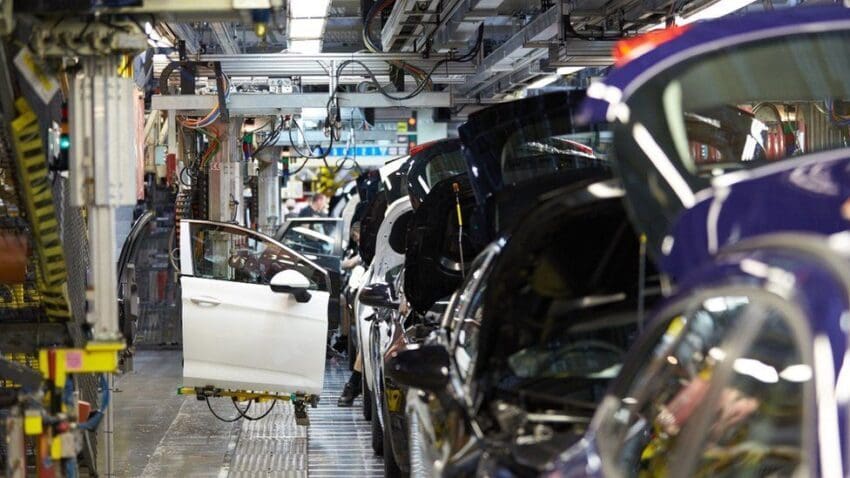

Stellantis, the global automotive giant and owner of Vauxhall, is poised to make a crucial decision regarding its UK manufacturing sites.
Amid growing tensions over net zero policies, Stellantis is advocating for adjustments to electric vehicle sales targets to ensure a viable future for its UK operations. The company’s decision will significantly impact its plants in Ellesmere Port and Luton, which are instrumental in its UK operations.
In June, Stellantis highlighted its concerns about current UK regulations, specifically the Zero Emission Vehicle (ZEV) mandate. This directive requires 22% of new car sales to be electric, increasing annually until 2030. Stellantis argues that these targets are unrealistic, given that consumer demand for electric vehicles is not yet sufficient to meet such ambitious projections.
The decision to potentially close these sites underscores the significant pressure faced by manufacturers under the ZEV mandate. Stellantis is navigating complex dynamics between regulatory compliance and economic sustainability.
The potential job losses come at a time when the UK automotive sector is still recovering from previous economic disruptions, further complicating the situation.
Stellantis’ CEO, Carlos Tavares, has called for enhanced government support to stimulate consumer interest in electric vehicles, which he deems insufficient under present conditions.
These conditions highlight the urgency for a reassessment of policies to better align them with market realities and consumer behaviour.
This decision is not just pivotal for Stellantis but also sends a broader message to the automotive industry about navigating regulatory landscapes and market demands.
The ongoing situation exemplifies the broader challenges faced by car manufacturers amidst evolving environmental policies. It stresses the importance of flexibility in business models to adapt to regulatory changes while still meeting consumer expectations.
Stellantis’ impending decision on its UK factories is a bellwether for the industry’s adaptation to stringent environmental mandates.
It highlights the delicate balance between regulatory compliance, economic viability, and job security across regions reliant on automotive manufacturing.

