

With energy prices continuing to put pressure on household budgets, many UK homeowners are shifting their focus from short-term fixes to long-term solutions. While switching tariffs or adjusting usage habits can help, the real savings often come from improving how efficiently a home retains heat.
This is why insulation is back at the centre of the conversation.
However, instead of relying solely on traditional methods, more homeowners are now exploring newer alternatives that promise both energy savings and durability. One solution gaining traction across the UK is spray cork.
Why Heat Loss Is Costing More Than You Think
A large number of UK homes, particularly older properties, lose a significant amount of heat through their external walls. Even homes that have been upgraded over time can still suffer from inefficiencies caused by cracks, ageing render, or gaps in insulation.
The result is simple. Heat escapes, and your heating system works harder to compensate.
Over time, this leads to higher energy consumption and rising monthly bills. For many households, this ongoing loss is one of the biggest hidden costs in their home.
Addressing it properly can make a noticeable difference, not just in comfort, but in overall spending.
What Is Spray Cork?
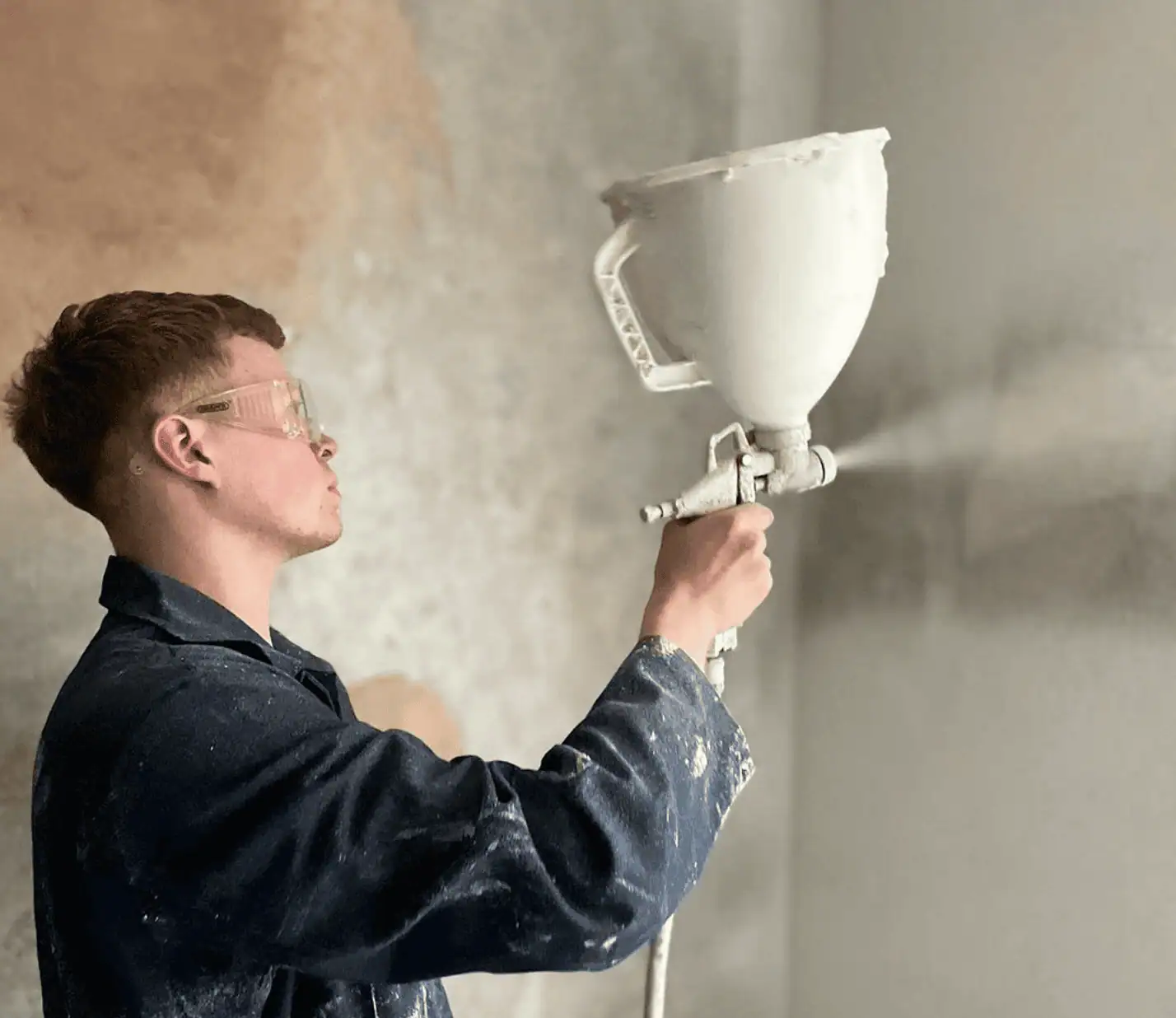
Spray cork is a natural coating made from cork granules combined with specialist binders. It is applied directly to the external surface of a property, forming a seamless layer that enhances both insulation and weather protection.
Unlike traditional insulation systems that often require structural changes or internal disruption, spray cork is applied externally. This makes it a more practical option for homeowners who want to improve efficiency without major renovation work.
Despite being relatively thin, the coating helps reduce heat transfer and improves the overall thermal performance of the building.
The Financial Benefit: Lower Heating Costs
The main reason spray cork is attracting attention is its ability to reduce heat loss.
By improving how well a home retains warmth, it reduces the amount of energy needed to maintain a comfortable indoor temperature. This means heating systems do not need to run as frequently, particularly during colder months.
Over time, this reduction in usage leads to lower energy bills.
While the exact savings will vary depending on the property, many homeowners notice a clear improvement in efficiency after upgrading their external walls. With energy prices remaining unpredictable, even modest reductions can have a meaningful financial impact across the year.
More Than Just Energy Savings
One of the key reasons spray cork is becoming more popular is that it delivers multiple benefits in a single application.
- Helps protect external walls from weather damage and cracking
- Reduces the risk of damp and moisture-related issues
- Provides a refreshed, modern finish without regular repainting
These added advantages contribute to long-term savings by reducing maintenance and repair costs, something that is often overlooked when comparing insulation options.
A Sustainable Alternative
Alongside cost savings, sustainability is playing a bigger role in home improvement decisions.
Cork is a renewable material that can be harvested without damaging the tree, making it one of the more environmentally responsible options available. When used as a coating, it not only improves energy efficiency but also helps reduce the overall environmental footprint of a home.
For homeowners looking to balance financial savings with eco-conscious choices, this combination is particularly appealing.
For those wanting to understand how this works in practice and what kind of results can be achieved, it’s worth taking a closer look at spray cork installers for homes in the UK who specialise in this type of application.
Where It Works Best
Spray cork is especially effective for properties where external walls are a major source of heat loss.
This includes older homes with solid walls, as well as properties with existing render that may be underperforming. Because it can be applied to a wide range of surfaces, it offers flexibility across different property types.
Its breathable nature also makes it well suited to the UK climate. Rather than trapping moisture inside the walls, it allows the building to regulate naturally while still improving insulation.
Is It Worth the Investment?
As with any home improvement, the decision ultimately comes down to long-term value.
While spray cork may not be the cheapest option upfront, its combination of energy savings, durability, and reduced maintenance can make it a cost-effective solution over time.
For homeowners planning to stay in their property long-term, the benefits often extend beyond financial savings, improving both comfort and the overall condition of the home.
Final Thoughts
With energy costs remaining a key concern, homeowners are becoming more proactive in finding ways to improve efficiency and reduce reliance on heating systems.
Spray cork is emerging as a practical solution that goes beyond traditional insulation. By improving thermal performance, protecting the building structure, and supporting more sustainable living, it offers a well-rounded approach to modern home improvement.
As awareness continues to grow, it is likely to play an increasingly important role in how UK homeowners manage both their energy usage and long-term costs.

