

A recent High Court decision has dismissed a solicitor’s application to amend a Solicitors Disciplinary Tribunal (SDT) costs order.
- Naim Lone, fined and ordered to pay significant costs, sought to vary the SDT order for payment in instalments.
- The court ruled it lacked jurisdiction to alter the SDT’s decision, a separate tribunal’s responsibility.
- Deputy Master Rhys affirmed that a statutory appeal route is necessary to challenge such tribunal orders.
- Ultimately, Lone’s self-represented bid to adjust the costs order was deemed procedurally misplaced.
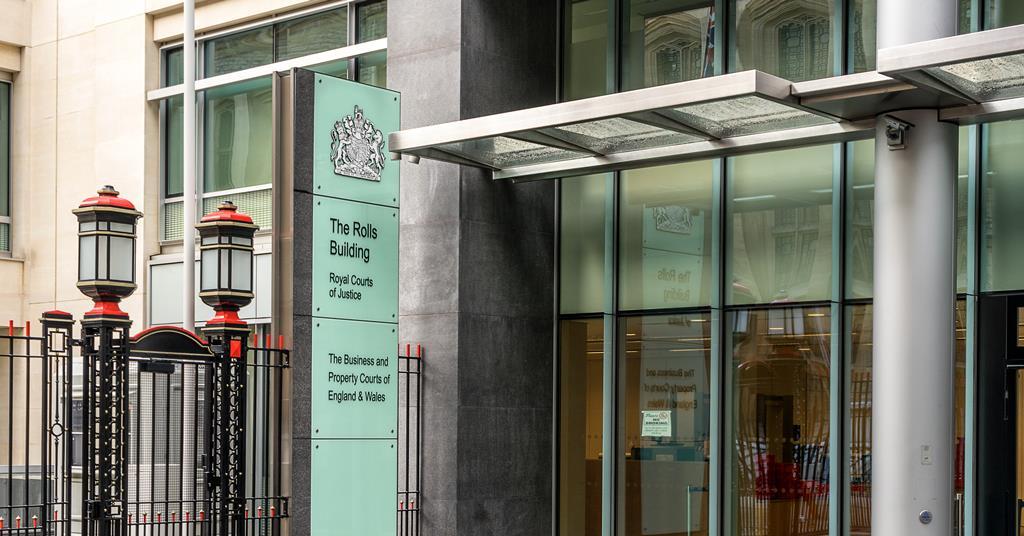
The High Court has recently found itself bound by jurisdictional limitations, leading to the dismissal of an appeal by solicitor Naim Lone. Lone, who had been fined £8,000 and ordered to pay a substantial £29,359 in costs by the Solicitors Disciplinary Tribunal (SDT), sought relief by requesting to alter the payment terms to instalments. Lone’s application was presented at the Rolls Building, where he self-represented against the decision that enforced financial penalties due to his non-compliance with a court order.
Deputy Master Rhys, standing in for Master Kaye, firmly denied Lone’s applications, elucidating the clear jurisdictional boundaries that the High Court must adhere to. He articulated that the High Court simply does not possess the jurisdiction to amend a costs order determined by the SDT. Emphasising the necessity for statutory appeals, Deputy Master Rhys noted that any attempt to modify or nullify such an order must be channelled through designated legislative routes rather than through an application to the High Court.
The judgment clarified the procedural missteps in Lone’s approach, as the SDT operates independently of the court, rendering the application untenable. The SDT’s authority, distinct in its capacity and structure, necessitates adherence to its own protocols for any reconsideration of its decisions. Deputy Master Rhys succinctly concluded that the applications were unsustainable both on procedural and jurisdictional grounds, effectively closing this avenue for Lone.
Moreover, in the discussion of Lone’s two-fold application, the court dismissed his request for directions, recognising the matter had been previously adjudicated by an ICC judge. The intricacies of court processes and the demarcation of jurisdiction were underlined as critical aspects that Lone’s application failed to navigate successfully. Consequently, Lone was held to the order’s full sum, with additional costs incurred due to the appeal process.
The High Court’s decision underscores the critical importance of adhering to appropriate legal channels when contesting tribunal orders.

