
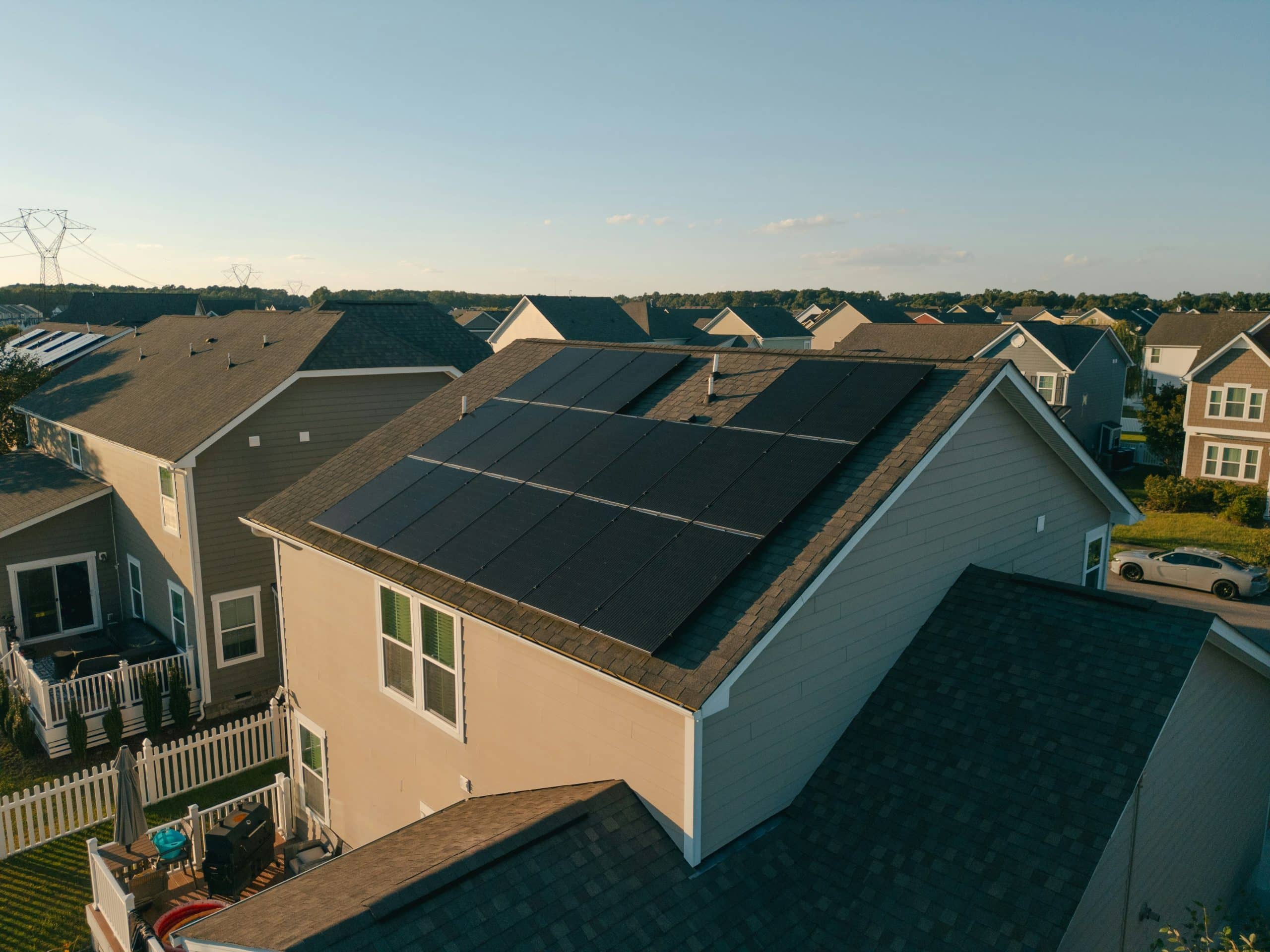

With energy prices continuing to fluctuate and household costs remaining under pressure, UK homeowners are becoming increasingly focused on long-term financial decisions. Rather than relying on short-term savings or switching providers, many are now looking for ways to reduce their reliance on the grid altogether.
This is where solar energy is stepping into the spotlight.
Once seen as a niche upgrade, solar panels are now being viewed as a serious financial investment — one that delivers consistent returns while also improving energy independence.
The Shift From Cost to Investment
Traditionally, home improvements have been judged by their upfront cost. Solar has often been viewed through the same lens, with homeowners focusing on installation prices rather than long-term value.
However, this mindset is changing.
In 2026, solar is increasingly being treated as an asset rather than an expense. The key difference is that, unlike most home upgrades, solar panels actively generate value over time.
Instead of simply improving your property, they reduce your monthly outgoings and, in some cases, even generate income through excess energy export.
Immediate Savings on Energy Bills
One of the biggest advantages of solar is that it starts saving money from day one.
By generating your own electricity, you reduce the amount you need to purchase from the grid. This is particularly valuable during peak daytime hours when electricity is often at its most expensive.
For many households, this leads to a noticeable reduction in monthly energy bills almost immediately after installation.
Over time, these savings add up, creating a consistent financial benefit that continues year after year.
Protection Against Rising Energy Costs
Energy prices in the UK have proven to be unpredictable, with sharp increases in recent years putting pressure on household budgets.
Solar provides a level of protection against this uncertainty.
By generating your own electricity, you reduce your exposure to future price increases. While you may still rely on the grid at times, your overall dependence is significantly reduced.
This stability is one of the key reasons solar is being viewed as a long-term financial safeguard rather than just a cost-saving measure.
Strong Long-Term Returns
Unlike many investments, solar panels provide a combination of immediate and long-term returns.
Most systems pay for themselves over time through reduced energy bills. Once this point is reached, the electricity they generate is effectively free.
Given that solar panels typically last decades, this means homeowners can benefit from years of reduced energy costs after the initial investment has been recovered.
For those planning to stay in their property long-term, this creates a compelling financial case.
Increasing Property Value
Another factor contributing to the appeal of solar is its impact on property value.
Energy-efficient homes are becoming more attractive to buyers, particularly as energy costs remain a key concern. Properties with solar installations are often seen as more desirable due to their lower running costs and improved sustainability.
This can make solar not only a cost-saving upgrade but also a feature that enhances the overall value of a home.
The Role of Smart Technology
Modern solar systems go far beyond simple electricity generation.
With the addition of smart inverters and optional battery storage, homeowners can optimise how and when energy is used. This allows for greater control over energy consumption and can further improve savings.
For example, excess energy generated during the day can be stored and used later, reducing the need to draw power from the grid during peak times.
This level of control adds another layer of financial efficiency to the investment.
More Accessible Than Ever
One of the reasons solar adoption is accelerating is that it has become more accessible.
Advancements in technology have improved efficiency, while installation costs have become more competitive. Combined with various incentives and financing options, solar is no longer limited to early adopters.
For many households, it is now a realistic and practical upgrade.
For those considering making the switch, exploring solar panel installation for homes can provide a clearer understanding of what’s involved and how the system can be tailored to different property types.
A Sustainable Financial Decision
While the financial benefits are a major driver, sustainability also plays an important role.
Solar energy reduces reliance on fossil fuels and lowers carbon emissions, helping homeowners contribute to a more sustainable future.
What makes it particularly appealing is that this environmental benefit comes alongside clear financial gains, rather than requiring a trade-off between the two.
Final Thoughts
In 2026, solar is no longer just an eco-friendly upgrade — it is a strategic financial decision.
By reducing energy bills, protecting against rising costs, and delivering long-term returns, it offers a level of value that few other home improvements can match.
For UK homeowners looking to take control of their energy costs and invest in the future of their property, solar is increasingly proving to be one of the smartest moves available.

