

Sizewell B nuclear power station is currently in a critical shutdown phase, marking an essential period for advancement and maintenance.
- The plant has ceased operations as of 11 October to facilitate refuelling and significant inspections.
- This shutdown, happening every 18 months, is particularly noteworthy due to the £75 million investment involved.
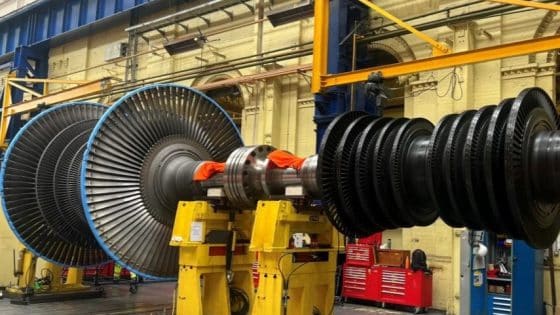
- EDF is executing substantial work, including the replacement of key components like turbine rotors.
- These activities underline the station’s commitment to long-term service and local economic contributions.
Sizewell B nuclear power station has entered a significant shutdown phase, with the reactor taken offline on 11 October. This planned downtime occurs every 18 months, primarily for refuelling purposes and to allow for thorough maintenance and inspections vital to the plant’s operations.
This particular shutdown is notable for its expansive investment, as it involves a comprehensive £75 million programme focused on infrastructural upgrades. Among the critical works undertaken is the replacement of rotors within the plant’s turbine generators, an effort that alone commands £12 million and features components like a high-pressure rotor measuring 6.6m by 1.8m and weighing 30 tonnes. The rotors have astonishingly spun over one billion times in the past year, signifying the need for their timely substitution.
Beyond mechanical replacements, EDF is leveraging this period to conduct extensive inspections of the reactor systems and high-pressure pipework, ensuring all components meet stringent operational standards. Key inspections also include the interior of the reactor, conducted once every decade to ascertain its condition and safety.
Sizewell B’s role extends beyond just energy provision. Since its inception in 1995, it has produced 258 terawatt hours of zero-carbon electricity, significantly reducing carbon emissions by 87 million tonnes. This operational excellence underscores the station’s pivotal role in Britain’s clean energy strategy.
In executing these tasks, the station director, Robert Gunn, highlights the broader economic impact, emphasising the influx of over 1,000 additional staff, which contributes notably to the local economy. These activities provide substantial business to local enterprises, with firms like Bungay-based Webb Engineering deeply involved in the ongoing projects.
Looking towards the future, Sizewell B’s management indicates a preparedness to extend the station’s lifespan up to 2055. Though the current licence extends to 2035, ongoing assessments of technical feasibility and economic viability are critical to this decision. This development signifies EDF’s commitment to maintaining Sizewell B as a cornerstone of Britain’s nuclear strategy, complementing other renewable efforts.
The ongoing initiatives at Sizewell B underscore its strategic importance to the UK’s energy matrix and local economy, reinforcing its operational longevity.

