
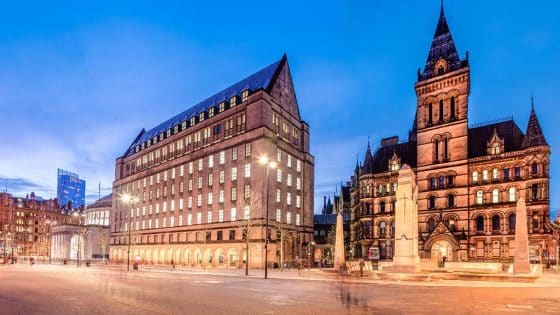

The restoration of Manchester Town Hall faces substantial cost overruns, nearly £100 million over budget.
- The completion date of the restoration is pushed to July 2026 due to unexpected challenges.
- Discoveries such as unanticipated nesting falcons and heritage-related complications have led to increased expenses.
- Nesting falcons and COVID-19 have caused notable delays and additional costs.
- The Manchester City Council has approved an additional £76 million to ensure project continuity.
The Manchester Town Hall restoration project, managed by Lendlease, has seen its costs surge by nearly £100 million. Originally scheduled for completion in June this year, the project has faced numerous challenges leading to this significant budget increase. Among the surprises were unanticipated discoveries related to the 150-year-old building, which significantly delayed progress.
Contractors have faced obstacles, including the unexpected presence of nesting falcons, which halted roof work for three months. This delay, compounded by the effects of COVID-19, led to an additional £5 million in costs. Supply chain claims for idle time and unproductive working have further escalated expenses, amounting to between £1 million and £1.5 million in added costs for each month of delay.
Continuous changes to the design, particularly the roof guttering, have also contributed to the budget rise, with 41 adjustments requested over the past year. Finding subcontractors with the required heritage skills posed challenges, with some contractors either declining to tender or submitting exceedingly high bids, accounting for £24 million of the total overrun.
Council officials have acknowledged the necessity of replacing parts of the project team to meet required standards. Despite these issues, the council has voted to approve an additional £76 million to keep the project on track, increasing the project’s budget from the initial £305.2 million to £429.8 million. This restoration, which encompasses both the town hall and Albert Square, is declared to be the largest heritage project in the UK in recent memory.
The extensive work involves more than 130 work packages and over 22,000 activities. Previous reports noted the installation of over 200 scaffold structures by Lyndon SGB, described as the largest scaffolding project in the UK by Contracts Manager Craig Parry. While significant progress has been made, with three-quarters of the work completed, the project team aims to provide a detailed update by March 2025, when more substantial information on risks should be available.
With careful oversight and the additional funding secured, Manchester Town Hall’s restoration project aims for successful completion by 2026.

