
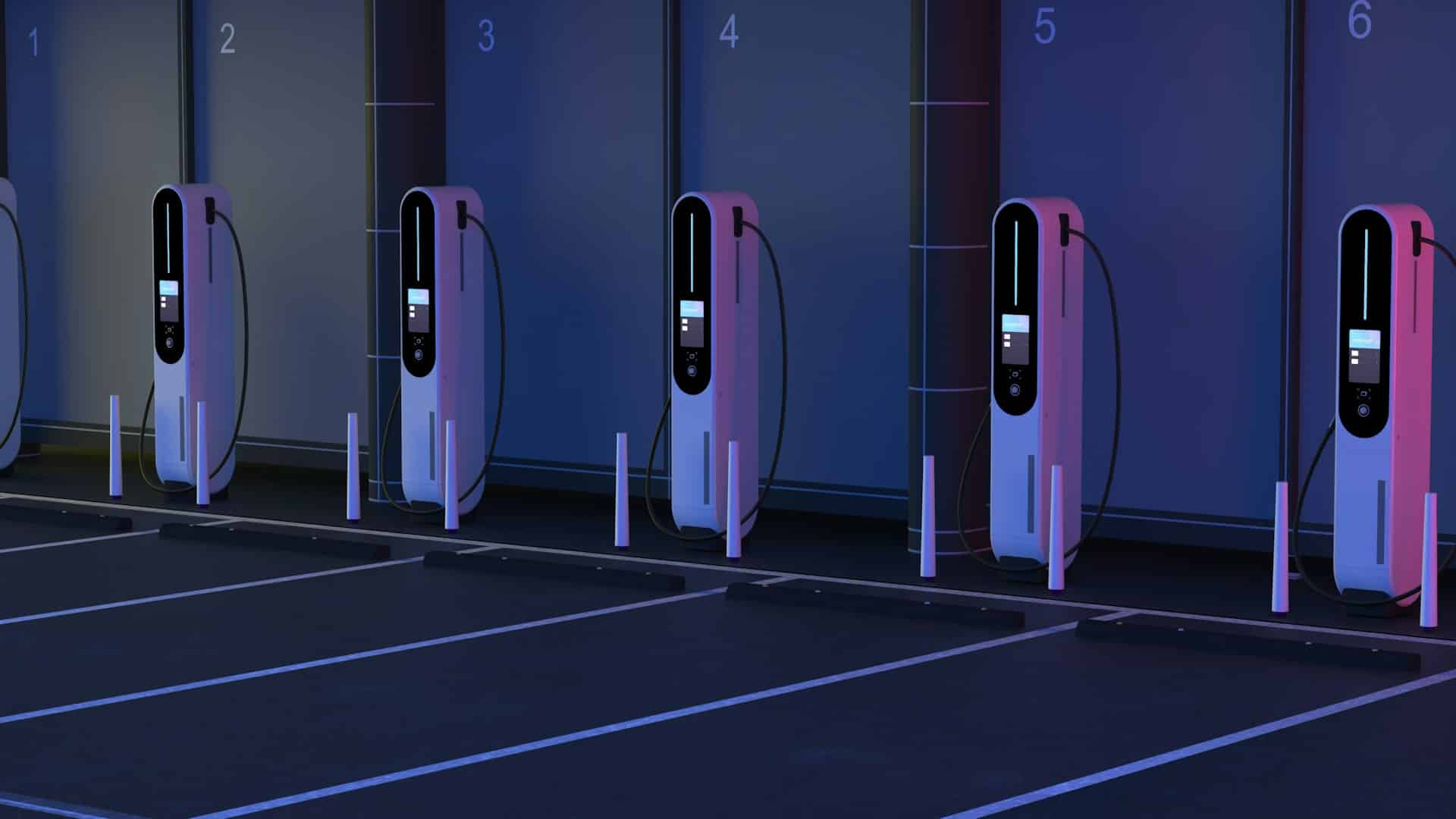

The electric vehicle (EV) revolution is well and truly here, and it’s transforming the way we think about transportation and energy use. This shift presents a unique opportunity. Investing in an electric vehicle charging hub isn’t just about staying current with market trends, it’s a strategic move that brings tangible benefits for tenants, employees, and the bottom line. Here’s why EV charging could be the smartest upgrade to your building’s electrical infrastructure.
The Rise of EVs for Businesses
With EVs becoming increasingly common on UK roads, the expectations around amenities are also evolving. Businesses, employees and customers alike are noticing the absence of EV facilities at offices, retail parks, and hospitality venues.
Data from Zap-Map shows the number of registered EVs in the UK has skyrocketed in recent years, with more than 1.6 million plug-in vehicles on the road as of 2023. Couple that with the government’s deadline of 2030 to phase out petrol and diesel vehicles, and the demand for accessible EV charging infrastructure is only going to grow.
Employees and customers are seeking facilities that accommodate their sustainable choices, and buildings that fail to provide charging points risk being left behind.
Key Benefits of EV Charging
Offering an electric vehicle charging hub on your property doesn’t just future-proof your facility, it adds real, measurable benefits. Here’s what you stand to gain:
1. Attract and Retain Tenants
Commercial property managers know that properties offering attractive amenities have a major edge in tenant negotiations. EV charging points are quickly becoming a must-have for businesses, whether they’re small start-ups or large corporations.
By installing EV chargers, you’re creating a space that supports tenants’ needs, one that aligns with their commitment to sustainability and makes their workspace more accessible for employees who drive EVs. This can be the key to retaining current tenants and securing long-term lease agreements.
2. Increase Property Value
Spaces with forward-looking amenities typically enjoy higher valuations. By upgrading your electrical infrastructure to accommodate EV charging, you’re adding value to your building/space in a way that potential tenants and investors will notice.
For many, it signals that the building is future-ready, tech-savvy, and designed with tenant and environmental priorities in mind.
3. Generate Revenue
EV charging isn’t just an expenditure, it’s a potential revenue stream. By introducing chargers that have pay-for-use capabilities, you can recoup your initial investment over time and even turn a profit.
Additionally, as adoption rates increase, demand for charging stations will rise, positioning your office building as a premium site for EV-reliant workers.
4. Enhance Your Business’s Sustainability Credentials
Sustainability is no longer a box-ticking exercise, it’s a business imperative. Many companies want to reduce their carbon footprint, guided by increased environmental regulations and their corporate social responsibility policies. Supporting EV charging aligns your business with these goals and boosts its eco-credentials.
Showing commitment to green initiatives can even offer tax incentives or grants when installing sustainable infrastructure, making EV chargers even more cost-effective.
5. Future-Proof Against Regulation
The UK government continues to push for a greener future. Legislative pressure to build charging infrastructure will only increase as the 2030 petrol and diesel sell-by date nears. Office buildings with EV chargers now will already be ahead of any potential mandates, saving you time and compliance costs in the future.
What to Consider When Investing in EV Chargers
Evaluate Your Electrical Infrastructure
A smooth rollout of EV chargers starts with understanding your building’s existing electrical infrastructure. You may need upgrades, such as a stronger power supply or load-balancing technology, to support a network of chargers.
Researching the various types of chargers, from slower Level 2 to rapid chargers, is also key. While rapid chargers require more power and higher upfront costs, they’re often the preferred choice for professionals, offering drivers a convenient way to charge quickly during the workday.
Location and Accessibility
The placement of your electric vehicle charging hub matters. Ensure chargers are easily accessible without disrupting other parking facilities. Signage, designated EV spaces, and apps that guide drivers to available chargers can make your property all the more attractive.
Scalability for the Future
You might only need a few charging points to start with, but demand can scale fast. Consider the long term as you make decisions about site upgrades, ensuring you can add more chargers as EV adoption grows.
Partnering with the Right Provider
Various EV charging providers offer installation packages tailored to commercial settings. Look for one that offers reliable support, user-friendly software, and data insights to help optimise how the chargers are used over time.
A Strategic Step Forward
Investing in EV charging solutions is more than a sustainability measure, it’s a competitive advantage, a revenue opportunity, and a way to add genuine value for tenants and employees. It signals that your building is ready to meet the demands of the future.
With the number of EV drivers steadily rising, now is the time to transform your property into a hub for convenience and eco-consciousness. By upgrading your electrical infrastructure and installing an electric vehicle charging hub, you’ll position your building as a premium workplace that leads the charge into a more sustainable future.

