
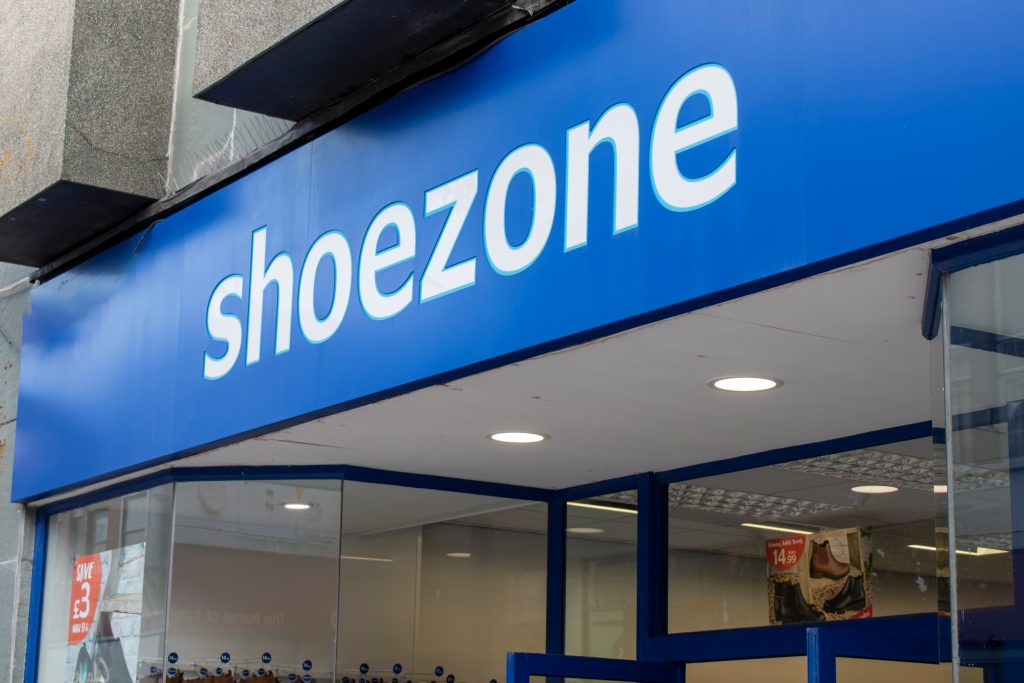

Shoe Zone, a prominent footwear retailer, is experiencing financial challenges, primarily due to rising shipping costs.
The company’s recent profit forecast highlights the profound impact of logistical hurdles and stagnant sales, underscoring the retail sector’s vulnerability to global economic conditions.
Impact of Shipping Costs on Profit Margins
The footwear retail giant, Shoe Zone, has reported significant financial strain due to escalating shipping costs. The company has had to reassess its profit expectations for the fiscal year ending 2 October 2024 to approximately £10 million. This adjustment follows an earlier revision in May when predictions were lowered to £13.8 million, largely attributed to logistical challenges and increased national wage obligations.
At the heart of Shoe Zone’s concerns lies the significant increase in container prices. These costs have surged over the past six months as a result of reduced shipping vessel availability and the necessity to reroute shipments, bypassing the usual Suez Canal path. This logistical shift has not only delayed deliveries but has also inflated costs considerably, thereby affecting the company’s bottom line.
Sales Performance Amidst Unseasonal Weather
Shoe Zone’s sales figures for the spring and summer months have suffered due to unseasonal weather conditions. The period from April to June witnessed a noticeable dip in consumer purchases, which compounded the retailer’s existing financial woes.
While the overall group revenue showcased a modest year-on-year increase of 1.5%, amounting to £76.5 million, store-specific sales declined by 2.8% compared to the same period in 2023. This drop signifies the challenges Shoe Zone faces in maintaining consistent in-store performance amidst external pressures.
Financial Overview for the First Half of the Fiscal Year
For the initial 26 weeks ending 30 March 2024, Shoe Zone’s profit before tax stood at a stagnant £2.5 million. This figure reflects the company’s struggle to navigate through a complex market environment, plagued by external cost pressures.
Despite the challenging circumstances, Shoe Zone managed to sustain its revenue growth, albeit minimal. The group’s revenue increased from £75.4 million in the first half of 2023 to £76.5 million for the same period in 2024. However, the stability in profits indicates the significant influence of external factors on operational outcomes.
Looking at the store-specific sales, a decline was evident with figures dropping from £61.1 million in 2023 to £59.4 million in 2024. This trend highlights the ongoing struggle between maintaining physical store allure versus the rise of digital retail experiences.
Cybersecurity Threats and Their Implications
Adding to Shoe Zone’s operational challenges, the company recently became a victim of a cyber attack. This incident further disrupted their processes, adding layers of complexity to an already strained business environment.
The cyber attack underscores the vulnerable nature of retail businesses to digital threats. The breach not only compromised operational efficiency but also demanded immediate action to secure the company’s systems and protect sensitive customer data.
Navigating Economic Pressures and Market Dynamics
Economic pressures from inflation have compounded the difficulties faced by Shoe Zone. Rising material costs and the broader impact of inflation are eroding margins, making strategic financial management crucial.
In tackling market dynamics, Shoe Zone is compelled to implement cost-saving initiatives and explore alternative procurement strategies. This adaptive approach is vital to offset external cost surges and ensure competitive pricing. The retailer’s resilience will largely depend on its ability to streamline operations without sacrificing quality.
Future Outlook and Strategic Adaptation
Despite current setbacks, Shoe Zone remains focused on long-term growth strategies. The retailer is examining avenues to diversify its supply chains and enhance digital touchpoints to reach a broader audience.
The future outlook for Shoe Zone involves balancing its traditional retail offerings with an increased emphasis on e-commerce. This dual approach aims to leverage existing store networks while expanding digital sales channels.
Conclusion and Resilience Amidst Challenges
Navigating through challenging economic conditions, Shoe Zone demonstrates resilience. The company’s proactive strategies in managing shipping costs, cybersecurity, and market pressures highlight its commitment to sustaining growth.
Although the path is fraught with obstacles, Shoe Zone’s adaptation to the evolving retail landscape serves as a testament to its enduring resolve and strategic insight.
Shoe Zone’s efforts to navigate through economic and operational challenges demonstrate a commitment to overcoming adversity.
The company’s strategic adaptations reflect a focused approach to sustaining business growth amid substantial industry disruption.

