
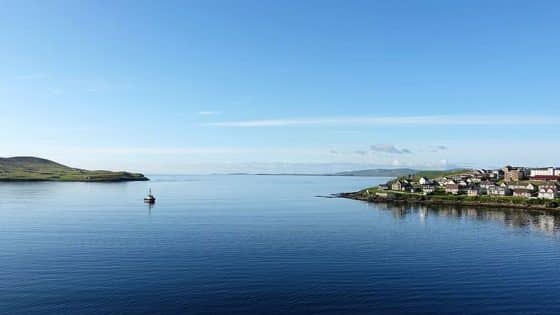

In a significant development for Scotland’s northern archipelago, the prospect of constructing tunnels between the Shetland Islands is gaining traction. The feasibility study underscores the transformative potential of subsea connections, with both environmental and economic benefits expected. Existing ferry services are increasingly untenable. Key stakeholders are actively evaluating fixed-link solutions. The initiative is positioned to enhance regional connectivity and sustainability.
In a significant step forward for Scotland’s northern territory, Andy Sloan, the UK managing director at the engineering consultancy Cowi, has articulated the feasibility of constructing tunnels between the Shetland Islands. Describing the project as both ‘real and tangible,’ Sloan’s remarks in the Scotsman reflect growing momentum behind this ambitious infrastructure endeavour.
The firm, Cowi, is presently engaged in a comprehensive study alongside Stantec and Mott MacDonald. This investigation aims to assess various transport alternatives for the Shetland Islands, with a particular focus on fixed-link solutions, such as tunnels, and their long-term viability. This is part of developing a 30-year strategic transport plan for the region.
Sloan has highlighted the broader benefits of tunnel construction, which extend beyond merely improving transport efficiency. He noted the success of similar projects in the Faroe Islands, where subsea tunnels have enhanced connectivity and efficiently reorganised public services. Crucially, such infrastructure developments have also contributed to reversing population decline in remote areas, a benefit highly relevant to the Shetland context.
The current ferry network, operating 12 vessels and making approximately 70,000 annual crossings, is a major contributor to the region’s carbon emissions and is deemed ‘beyond its intended life.’ The Shetland Islands Council has tasked Stantec with the implementation of the Inter-island Transport Connectivity Programme, which involves forming strategic business cases and conducting stakeholder consultations.
Cowi’s role is particularly concentrated on assessing the fixed-link possibilities, encompassing geological, environmental, engineering, and economic aspects. This detailed examination is intended to furnish the Shetland Islands Council with decisive insights into the practical and financial ramifications of such projects, informing the wider strategic options appraisal.
Stephen Canning, director of transport planning at Stantec, emphasised the importance of developing a resilient transport network, capable of supporting employment, service delivery, and logistical activities between the islands. He expressed confidence that, through robust stakeholder engagement, the initiative would foster enhanced connectivity, ultimately benefiting the well-being and prosperity of the island communities.
The Shetland tunnel project is positioned to dramatically improve regional transport, presenting both environmental and social benefits.

