
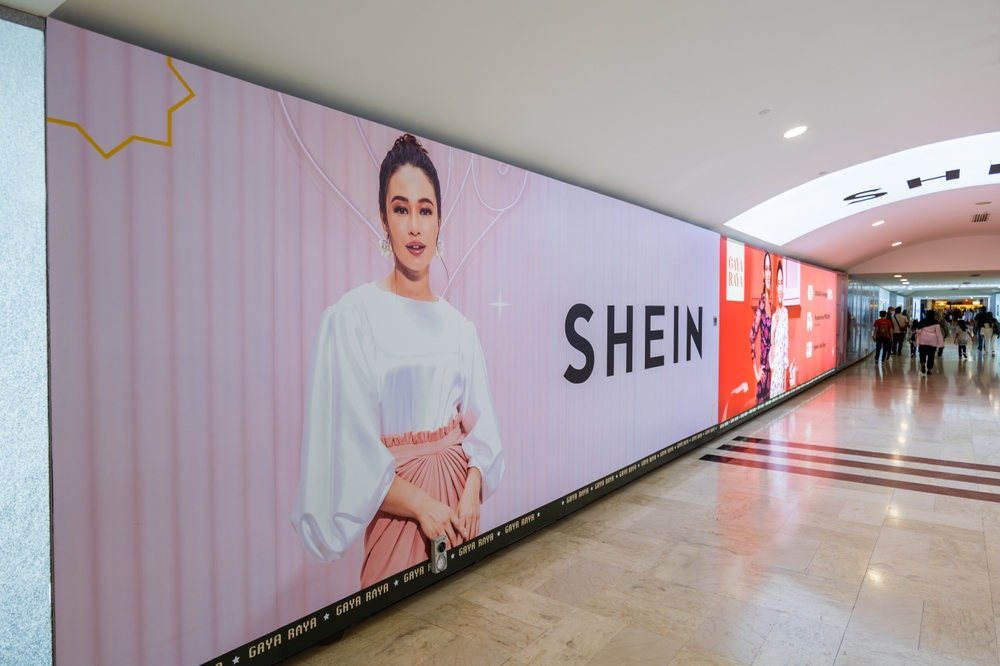

The US move to close a loophole affecting low-value shipments is unlikely to deter Shein. The fashion giant’s competitive strength, rooted in its operational efficiency and agility, remains steadfast.
Impact of Tax Changes on Shein’s Strategy
The attempt by the US government to eliminate the “de minimis” tax loophole, which permits duty-free entry of low-value shipments, is not predicted to affect Shein’s strategic posture significantly. Donald Tang, the executive chairman, remarked that Shein’s edge lies in its on-demand production model rather than relying on these rules. He emphasised the company’s robust market position, supported by operational efficiency, which provides a substantial competitive advantage.
Operational Efficiency and Market Position
Shein capitalises on an agile supply chain and a vast range of product offerings. According to Tang, the streamlined processes and extensive selection not only appeal to consumers but also fortify the company’s market presence. This efficiency, coupled with strategic inventory management, allows Shein to maintain momentum despite regulatory shifts. Consequently, Shein’s market strategy focuses more on harnessing these strengths rather than on tax benefits.
Political Scrutiny and Ethical Concerns
Political scrutiny in the UK has intensified following the US moves, especially concerning Shein’s rapid expansion. The potential £50bn listing on the London Stock Exchange has drawn attention. Labour chair Liam Byrne has called for the prohibition of imports produced by forced labour. He urged government officials to ensure that Shein adheres to strict labour standards.
This amplifies the ethical dimensions of its operations and their political implications.
With the closure of tax loopholes, the spotlight on Shein’s ethical practices becomes sharper, potentially influencing both investor confidence and consumer perception.
Financial Implications and Investor Confidence
The anticipated listing on the London Stock Exchange is poised to elevate Shein’s financial stature. Despite the looming changes in tax regulations, Tang expressed confidence that the listing would proceed unfettered. The marketplace perceives Shein’s growth trajectory as robust, largely due to its operational model rather than its reliance on tax thresholds. Investors are thus reassured of Shein’s potential for sustained growth.
In effect, the tax adjustments in North America are seen as a minor hurdle rather than a substantial blockade.
Strategic Adjustments in Response to Regulatory Changes
Shein intends to adapt by advocating for the taxation of imports based on wholesale prices rather than retail prices. This suggestion aligns with the company’s efforts to optimise their trading strategy in light of new regulations. The proposed adjustment would mitigate potential financial impacts on Shein’s business model, reaffirming its commitment to maintaining affordability for consumers.
Such adaptations are critical in navigating the evolving regulatory landscape without compromising its competitive edge.
These strategic shifts underscore Shein’s proactive measures to address external regulatory pressures.
Shein’s Broader Market Influence
Despite regulatory challenges, Shein continues to influence the broader fashion market significantly. The firm’s innovative approach and vast product range set industry benchmarks that competitors strive to meet. This influence is a testament to Shein’s resilience and forward-thinking strategy, allowing it to remain a leader in the fast-fashion sector.
Indeed, Shein’s adaptability ensures it not only survives but thrives amidst tightening regulations.
Executive Outlook on Market Trends
Tang remains optimistic about Shein’s future, stressing that market trends favour the company’s operational model. He believes that the core strengths of Shein align well with industry dynamics, which would persist irrespective of regulatory changes. This outlook signifies confidence in their current trajectory as they continue to expand and innovate.
The executive leadership’s positive outlook suggests a strategic alignment with prevailing and anticipated market shifts.
Shein’s proactive strategies and robust operational model ensure it stays ahead. Even amidst regulatory shifts, the company remains a formidable force in the fast-fashion industry.

