
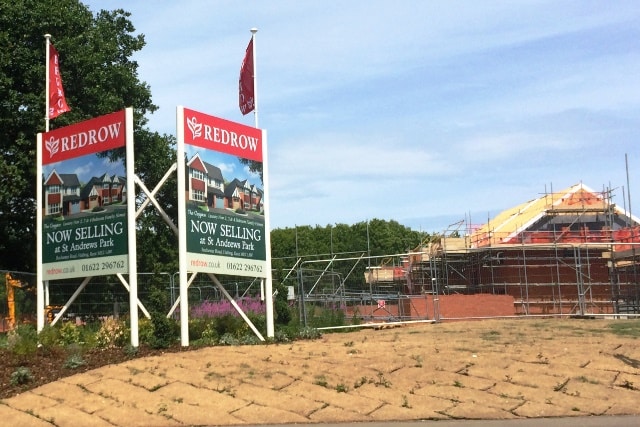

The merger between Barratt Developments and Redrow has received overwhelming shareholder support, marking a significant step forward in the construction industry.
- In separate meetings, Barratt and Redrow shareholders voted 99.82% and 99.92% respectively in favour of the merger.
- This deal positions Barratt shareholders to own 67.2% of the new entity, with Redrow shareholders holding 32.8%.
- Redrow will continue to operate as a distinct brand alongside Barratt Homes and David Wilson Homes once the merger is finalised.
- The completion of the merger is anticipated later this year, subject to remaining formalities.
The recent endorsement of the merger between Barratt Developments and Redrow by their respective shareholders signals a pivotal moment in the construction sector. Both companies held separate meetings on the 15th of May, resulting in a near-unanimous vote in favour of the merger. Barratt shareholders approved the transaction with 99.82%, while Redrow shareholders showed an even stronger consensus with 99.92% approval.
Under the agreed terms, Barratt shareholders will command a 67.2% stake in the combined entity, whereas Redrow shareholders will possess the remaining 32.8%. This division of ownership reflects the strategic value each company brings to the merger. The agreement values Redrow at £2,524 million, underscoring the financial significance of this union.
As part of the merger agreement, Redrow will emerge as a third distinct brand within the newly formed Barratt Redrow plc. It will join Barratt Homes and David Wilson Homes, thus expanding the group’s brand portfolio. The combined revenues reported for the 2013 financial year amounted to £7,448 million, with a total of 22,642 completions delivered under the unified banner.
The merger’s completion is anticipated later this year, pending the satisfaction of remaining regulatory and procedural requirements. Once finalised, this consolidation is expected to enhance the operational capabilities and market presence of the combined entities significantly.
The merger marks a profound transformation, promising increased market strength and operational efficiency.

