
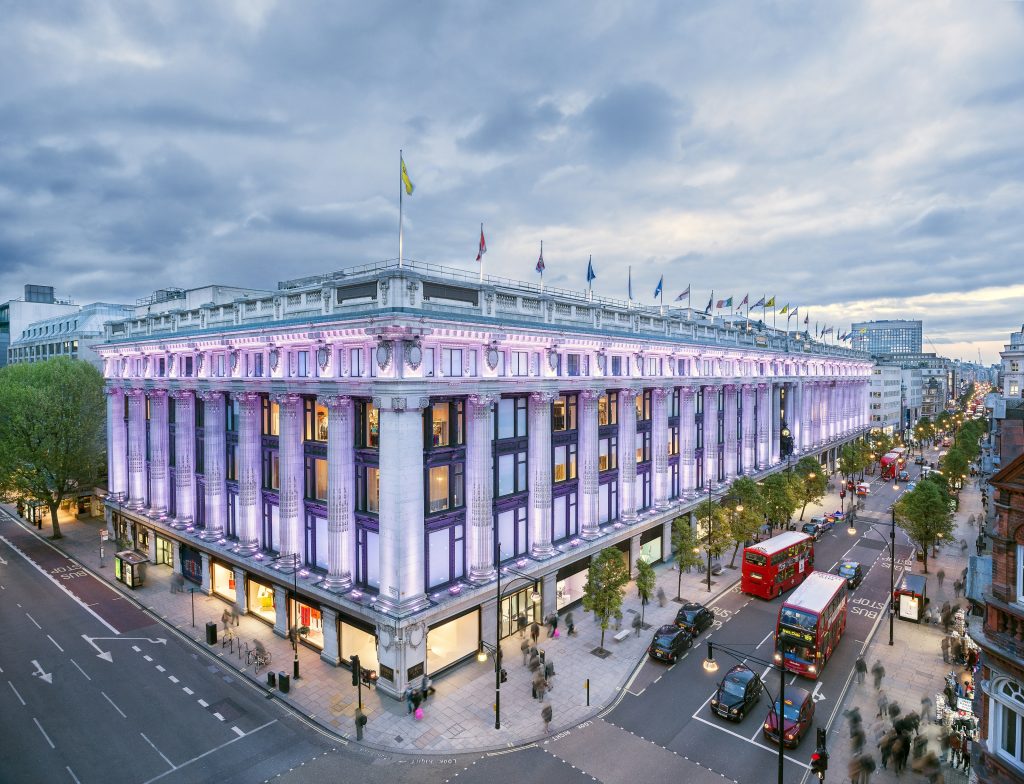

Selfridges’ property portfolio has significantly decreased in value, impacting key financial standings of the department store chain.
- Selfridges’ flagship Oxford Street store in London sees its property value substantially reduced.
- The luxury retailer’s property assets were devalued by £638.6m according to reports in The Sunday Times.
- Loans exceeding £1.7bn secured by Selfridges’ properties are due to mature in August 2025.
- The devaluation is attributed to external market factors, including interest rates and market rents.
Selfridges, the renowned department store chain, has experienced a notable depreciation in the value of its property portfolio, which includes its flagship Oxford Street establishment in London. This reduction in valuation marks a significant financial shift for the company.
The Sunday Times reports that the property holding company associated with Selfridges has had its assets devalued by £638.6 million, constituting a 20.6% reduction from the previous assessment. This devaluation affects the company’s £3.1 billion property assets.
Selfridges holds liabilities exceeding £1.7 billion in loans against their properties, with repayment expected by August 2025. The valuation reduction thus has substantial implications for their financial obligations.
In an official statement, a Selfridges’ spokesperson attributed these writedowns primarily to external market pressures. They cited rising interest rates and prevailing rents as contributing factors to the current fiscal predicament.
Furthermore, recent reports have highlighted a strategic shift within the ownership of the Selfridges Group. The Thailand-based Central Group is involved in a strategic partnership with Saudi Arabia’s Public Investment Fund, which has agreed to acquire Signa’s interest in the Selfridges Group.
The substantial devaluation of Selfridges’ property assets highlights significant impacts from external economic factors and impending financial obligations.

