
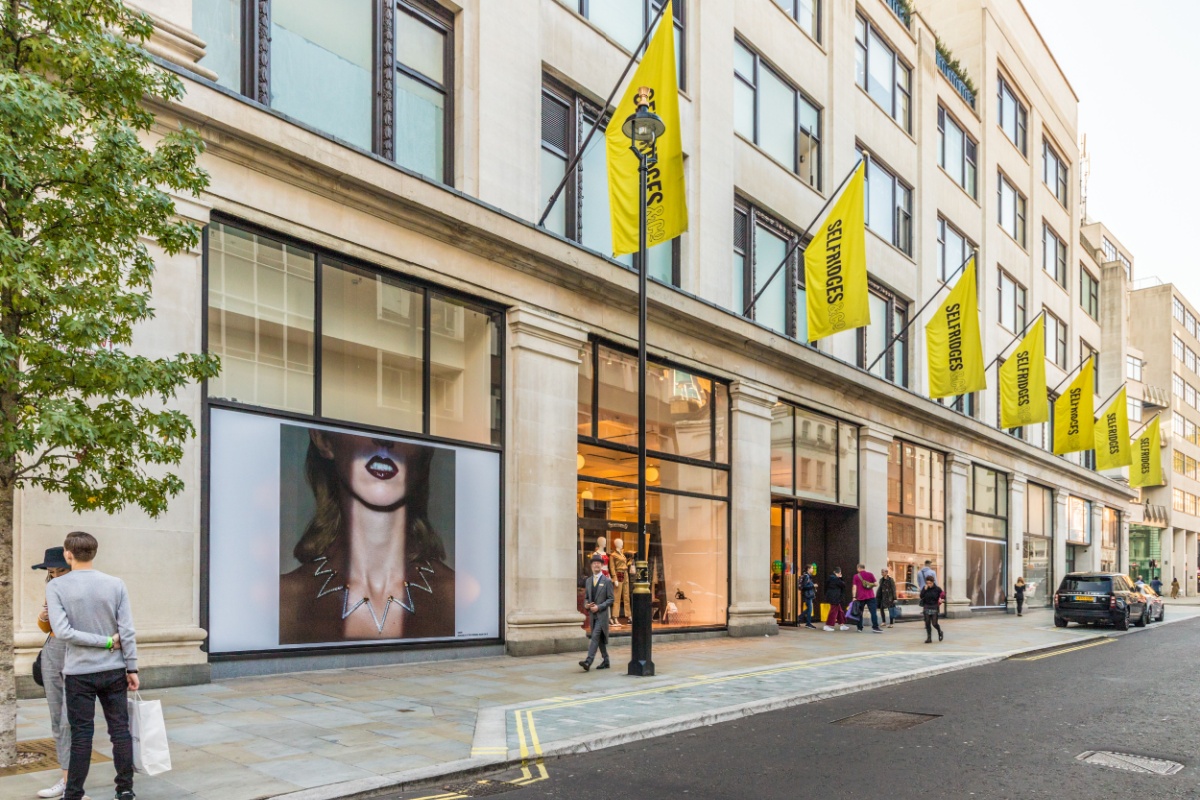

The property portfolio of Selfridges, valued at £3.1 billion, has seen a dramatic decline. The decrease stands at £638.6 million, marking a 20.6% drop.
This reduction is attributed to unforeseen external market factors that are impacting the luxury retail sector. Amidst this, concerns are rising over substantial maturing loans.
Selfridges has experienced a stark £638.6 million reduction in its property value. This devaluation encompasses key assets such as the Oxford Street flagship store. With over £1.7 billion in loans maturing next year, there is a looming pressure on Selfridges’ financial strategies.
Signa’s collapse prompted Central to infuse £98.1 million into Selfridges, securing the company’s financial commitments. Both Central and PIF have further invested undisclosed amounts into the group.
This market-driven devaluation demands strategic adaptations. The implications for future operational adjustments and financial management are significant.
While property accounts have shown this significant devaluation, the operating company’s financial details remain undisclosed.
Amid the challenging market, these strategic investments will be crucial. They may determine Selfridges’ ability to maintain its competitive edge in luxury retail.
Selfridges must navigate these economic challenges carefully. Their ability to adapt will likely influence their ongoing viability as a premier retail destination.
The focus remains on how Selfridges will respond to these financial pressures. Outcomes from their strategic decisions will be closely watched by industry stakeholders.
Selfridges is at a financial crossroads as it addresses significant property devaluation and looming loans. Strategic financial manoeuvres and market adaptability will be vital for sustaining its luxury market position.
The market will likely observe Selfridges’ efforts in overcoming these hurdles, setting precedents for other retailers in similar predicaments.

