
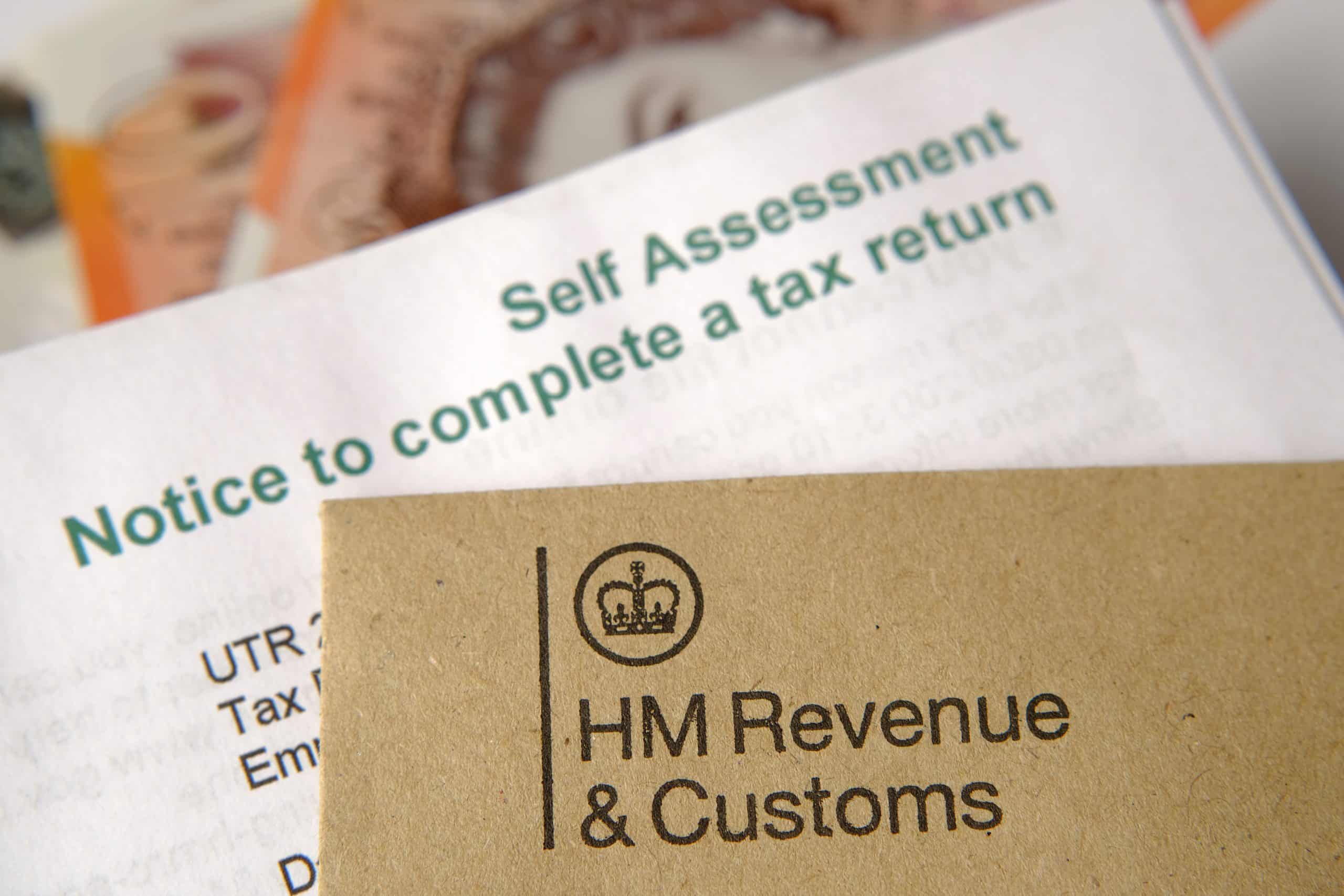

With the 31st October deadline for paper tax returns fast approaching, many businesses and self-employed individuals are feeling the pressure to file on time and avoid penalties. The confusion surrounding Self Assessment rules, fuelled by widespread myths, is adding to the stress. To address this, accounting software provider Intuit QuickBooks has released a guide aimed at debunking some of the most common misconceptions, helping taxpayers navigate the process with greater confidence ahead of the deadline.
Myth 1: Self Assessment is only for the self-employed
FALSE.
While Self Assessment is essential for self-employed individuals, others may need to file too. For example, those earning over £10,000 from savings or investments, receiving untaxed income from rental properties, or earning over £100,000 from employment are all required to file a tax return. Additionally, if you or your partner earn over £50,000 and claim child benefit, or if you’ve made gains on selling assets like property, Self Assessment may be necessary.
Myth 2: I only need to file if I owe tax
FALSE.
Even if you don’t owe tax, you may still need to submit a return. Failing to do so could result in penalties. QuickBooks advises checking with HMRC if there’s any doubt about your filing obligations, especially if your circumstances have recently changed.
Myth 3: Missing the deadline automatically incurs a fine
TRUE.
HMRC issues an automatic £100 fine for those who file their Self Assessment return late, even if no tax is owed. Further penalties apply the longer the delay, and interest is added for late payments. However, there are valid reasons for appeal, including serious illness or a family bereavement, though HMRC will assess each case individually.
Myth 4: An accountant is required to complete the return
FALSE.
While using an accountant can provide peace of mind and help ensure accuracy, there’s no legal requirement to do so. Many individuals and small business owners successfully complete their tax returns themselves, particularly if they keep organised financial records.
Myth 5: The process is long and difficult
FALSE.
Self Assessment can seem daunting, but it doesn’t have to be. The length and complexity of the process depend largely on your circumstances. For sole traders with good record-keeping habits, the process can be straightforward. Tools like QuickBooks can also simplify the task, helping users calculate deductions, categorise expenses, and ensure accurate figures.
Myth 6: Online filing takes too long
FALSE.
Filing online is actually the quickest and most efficient method. Most taxpayers now submit their returns this way. While the time needed to complete a return varies depending on the complexity of one’s finances, users can log in and out multiple times before submitting, allowing them to complete their return at their own pace.
Myth 7: The 31st January deadline means tax returns can be left to the last minute
FALSE.
Although some may delay filing until the last minute, this approach is risky. HMRC strongly encourages early submission, which can help avoid last-minute stress and allow taxpayers to budget effectively for their payments. Completing your return early can also give more time to resolve any issues, like arranging a payment plan if necessary.
Myth 8: Tax bills must be paid in full by the deadline
TRUE.
If paying your full tax bill by the deadline isn’t feasible, HMRC offers monthly payment plans to ease the burden. Setting up a payment plan in advance can help avoid penalties and interest charges, so it’s advisable to submit returns as early as possible to start this process.
For those who need assistance navigating the Self Assessment process, HMRC’s website provides comprehensive guidance and options for spreading payments.
As the Self Assessment season heats up, taking early action and dispelling these myths can make all the difference in staying organised and avoiding fines.

