
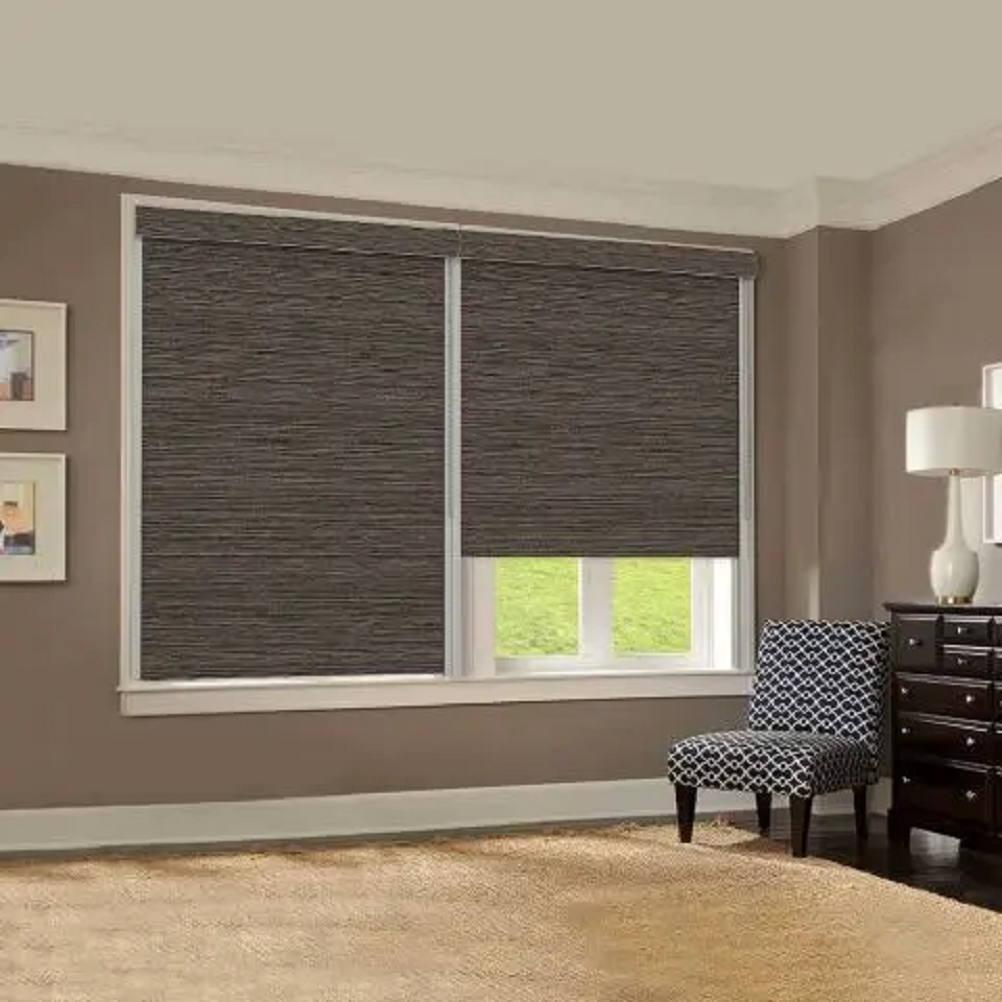

Roller shades are a popular choice due to their sleek design, usability, and versatility.
- Blackout roller shades block almost all light, offering complete darkness and privacy.
- Light filtering shades allow soft, natural light while maintaining a level of privacy.
- Both types contribute to energy efficiency but serve different functionalities.
- Choosing between them depends on room requirements, privacy needs, and aesthetic preferences.
Roller shades have become a standout choice for window coverings, not only for their modern and adaptable design but also for their functional benefits, which include light control, privacy, and energy efficiency. Among the most popular choices are blackout roller shades and light filtering roller shades, each serving specific purposes based on the needs of different rooms.
Blackout roller shades are tailored to block nearly all light, making them an ideal choice for bedrooms, media rooms, and any area where complete darkness is necessary. They are made from thick, opaque materials that prevent sunlight from entering, thus ensuring optimal light control and total privacy. Furthermore, these shades contribute to energy efficiency by reducing heat gain during the summer and preserving warmth in cooler months. The protection they offer against UV rays also safeguards furniture and artwork from damage over time.
Light filtering roller shades, on the other hand, are crafted from translucent materials that filter sunlight, creating a warm and inviting glow indoors. This makes them perfect for living rooms, dining areas, and kitchens where a light and airy atmosphere is desired. While they allow some light to permeate, they still provide a degree of privacy by obfuscating the view from outside. These shades also aid in energy efficiency by diffusing solar heat, thereby keeping interiors cooler in summer and reducing reliance on air conditioning.
Choosing the appropriate type of roller shade requires consideration of room functionality. For environments requiring darkness and privacy, such as bedrooms, blackout shades are recommended. Conversely, for living spaces where natural light is appreciated, light filtering shades offer a balanced solution between privacy and brightness.
Regarding privacy concerns, blackout shades are preferable for areas like bathrooms and bedrooms that demand high privacy levels both day and night. In contrast, light filtering shades are suitable for community spaces where privacy is valued but natural light is also welcomed.
Aesthetic preferences also play a crucial role in selection. While both shades can complement modern and minimalist aesthetics, light filtering options provide a broader array of design choices, such as patterns and textures, allowing for more personalized décor. Blackout shades, often available in neutral hues, offer a sleek and understated look, suitable for any room.
Ultimately, the choice between blackout and light filtering roller shades hinges on assessing the specific requirements of each room, the desired level of privacy, and personal aesthetic tastes, ensuring that both functionality and style enrich the living environment.
Deciding between blackout and light filtering roller shades should be guided by room needs, privacy preferences, and design aesthetics to enhance home functionality and appearance.

