
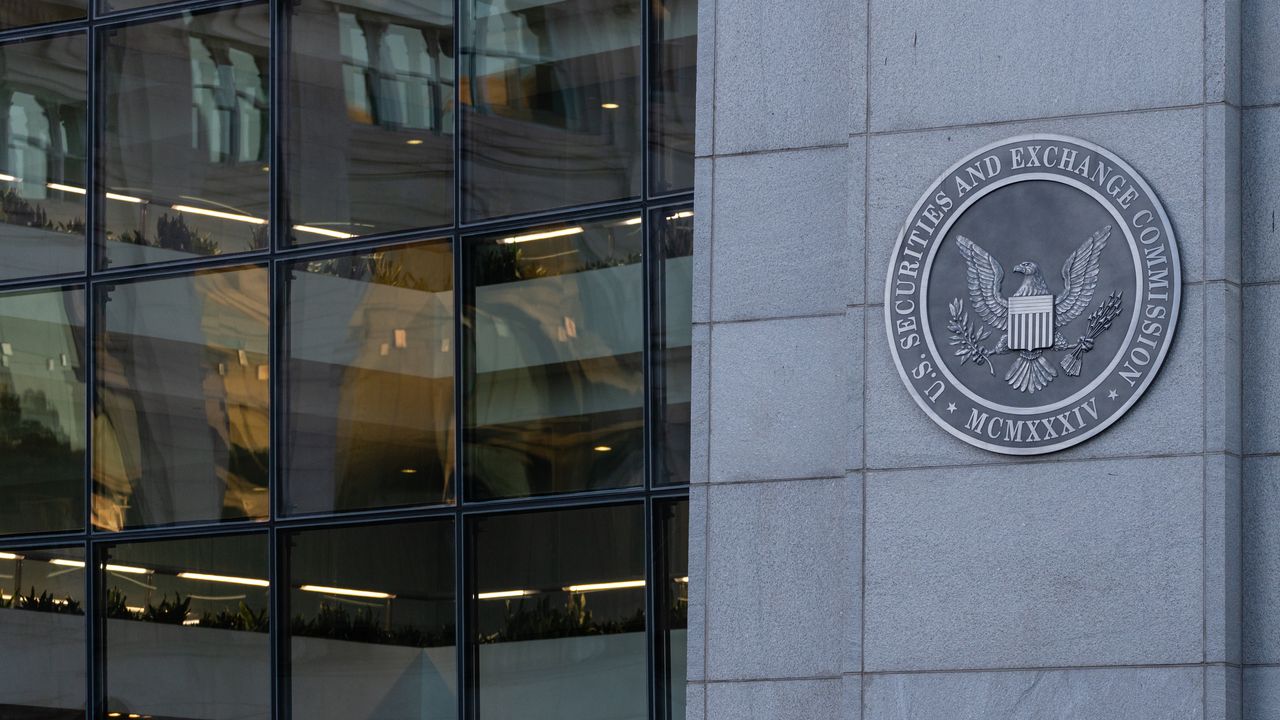

The US Securities and Exchange Commission’s handling of cryptocurrency regulations is facing intense criticism, with claims of ineffective strategies. In a telling admission, SEC Commissioner Mark Uyeda described the approach as disastrous for the industry.
This critique highlights the ongoing challenges within the regulatory framework, reflecting a broader call for clarity and consistency. The industry’s uncertainty stems from a lack of clear guidelines, pushing firms into legal battles to define their operations.
The US Securities and Exchange Commission (SEC) has long faced criticism over its approach to regulating the cryptocurrency industry. Under the leadership of SEC Chairman Gary Gensler, the agency has predominantly embraced a ‘regulation by enforcement’ approach. This strategy involves taking legal action against crypto firms instead of establishing clear, proactive guidelines. The lack of transparency and consistency has led to increased legal challenges for crypto companies, igniting debate within the financial sector.
SEC Commissioner Mark Uyeda’s remarks during his interview with Fox host Maria Bartiromo have underscored the prevailing sentiment of frustration within the industry. Uyeda openly admitted that the agency’s approach has been a disaster, attributing the chaos to the paucity of clear regulatory guidance. His acknowledgment reflects an internal awareness of the need for a more structured regulatory framework.
[twitter-embed-display twitter_url=’https://twitter.com/WatcherGuru/status/1844380772242948345′]
The SEC’s loss in high-profile cases, such as the legal defeat to Ripple, exemplifies the complexities arising from the current regulatory approach. Although the SEC has attempted to appeal these decisions, the repeated legal battles signify a pressing need for a shift from litigation to legislation. Uyeda’s comments resonate with industry stakeholders advocating for reform and stability.
Uyeda’s insights into the current regulatory shortcomings reveal an opportunity for the SEC to embrace a more cooperative stance. By prioritising guidance and clarity, the agency can mitigate the adversarial nature of its current strategy. Such transformation could pave the way for a more secure and progressive cryptocurrency landscape.
As the debate continues, the focus on the SEC’s enforcement-centric model remains prominent. Stakeholders argue that the agency’s current path could hinder innovation, as firms remain wary of regulatory backlash. Finding a balance between enforcement and clarity is essential to fostering an environment conducive to technological advancement.
While Uyeda’s admission marks a step towards recognising existing challenges, the path to reform is complex. It necessitates a concerted effort from all stakeholders, including regulators, industry leaders, and policymakers. Collaboration and transparency are crucial for building a resilient regulatory infrastructure.
The ongoing discourse surrounding the SEC’s regulatory tactics holds significant ramifications for the global crypto landscape. As the US navigates these turbulent waters, international counterparts are keenly observing the outcomes. The SEC’s decisions could influence how other nations approach crypto regulation, potentially shaping worldwide standards.
The SEC’s current trajectory demands urgent reevaluation to foster a balanced regulatory environment. By prioritising guidance over enforcement, the agency could transform the crypto sector’s future. Reform requires collaboration to ensure the market’s integrity and innovation thrive.

