
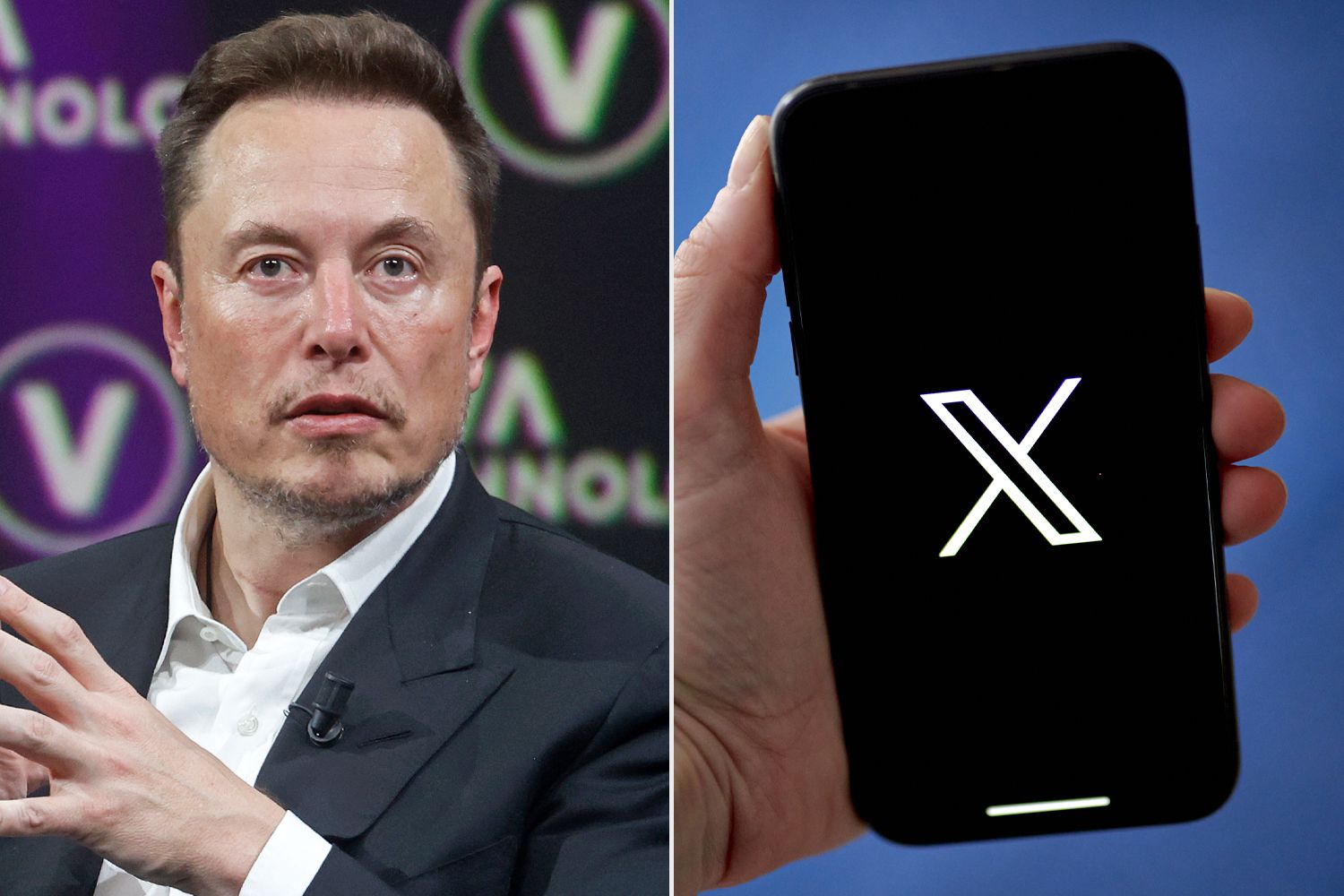

The U.S. Securities and Exchange Commission (SEC) is intensifying its investigation into Elon Musk’s acquisition of Twitter.
In a recent development, the regulatory body announced its plan to seek sanctions against Musk for failing to comply with a scheduled testimony. This move comes amidst ongoing inquiries into potential securities law violations related to his $44 billion purchase of the social media platform.
SEC’s Motive for Sanctions
The SEC’s decision to pursue sanctions against Elon Musk stems from his non-compliance with a court-ordered testimony. Musk had informed the SEC merely three hours before the September 10 testimony that he wouldn’t be attending, prompting the regulatory body to consider legal action. This behaviour has been interpreted as an attempt to evade scrutiny in the ongoing investigation.
The SEC has been investigating this high-profile takeover for approximately 11 months, focusing on potential violations of U.S. securities laws. The investigation is centred around whether Musk’s actions during the acquisition process aligned with regulatory requirements. The SEC’s pursuit of sanctions suggests they are serious about holding influential figures accountable.
Musk has frequently accused the SEC of targeting him unfairly, calling the investigations harassment. This view was echoed in a statement where he alleged abusive enforcement practices by the agency. His history with the SEC dates back to a 2018 agreement requiring legal oversight of his public comments about Tesla.
SEC’s Next Steps
The SEC has yet to specify the exact nature of the sanctions it intends to seek against Musk. However, their move to file for an order to show cause indicates a strong stance against non-compliance. This legal strategy might involve compelling Musk to appear before a court and explain his actions.
Such proceedings could result in civil contempt charges, though the specific consequences would depend on the court’s discretion. This legal action reflects the SEC’s commitment to enforcing compliance among corporate leaders.
[twitter-embed-display twitter_url=’https://twitter.com/WatcherGuru/status/1837222959443796059′]
Background of the Twitter Acquisition
Musk’s $44 billion acquisition of Twitter has been under scrutiny since its announcement. The deal, which was finalised after extensive negotiations, marked a significant shift in the social media landscape.
The acquisition raised multiple questions, including those about Musk’s intentions and the potential impact on Twitter’s operations. While Musk has expressed bold visions for the platform, regulatory challenges continue to present hurdles.
Musk’s approach to managing Twitter post-acquisition has sparked debates about corporate governance and ethical responsibilities.
As the investigation unfolds, the business community watches closely, aware of the precedence such cases might set.
Future of Regulatory Oversight
The SEC’s handling of this investigation hints at a more assertive regulatory posture moving forward. This case could catalyse changes in how digital acquisitions are monitored.
The agency’s insistence on compliance signifies a warning to other corporate leaders considering similar ventures.
A successful sanction against Musk might embolden the SEC to pursue more aggressive tactics in securing compliance from prominent figures.
Ultimately, this investigation into Musk’s Twitter acquisition could redefine the boundaries of regulatory authority in the digital age. It serves as a reminder of the rigorous standards expected from those in positions of power.
The SEC’s pursuit of sanctions against Elon Musk highlights the complexities of regulatory oversight in high-stakes acquisitions. As the situation develops, it underscores the ongoing tension between corporate freedom and regulatory compliance.

