
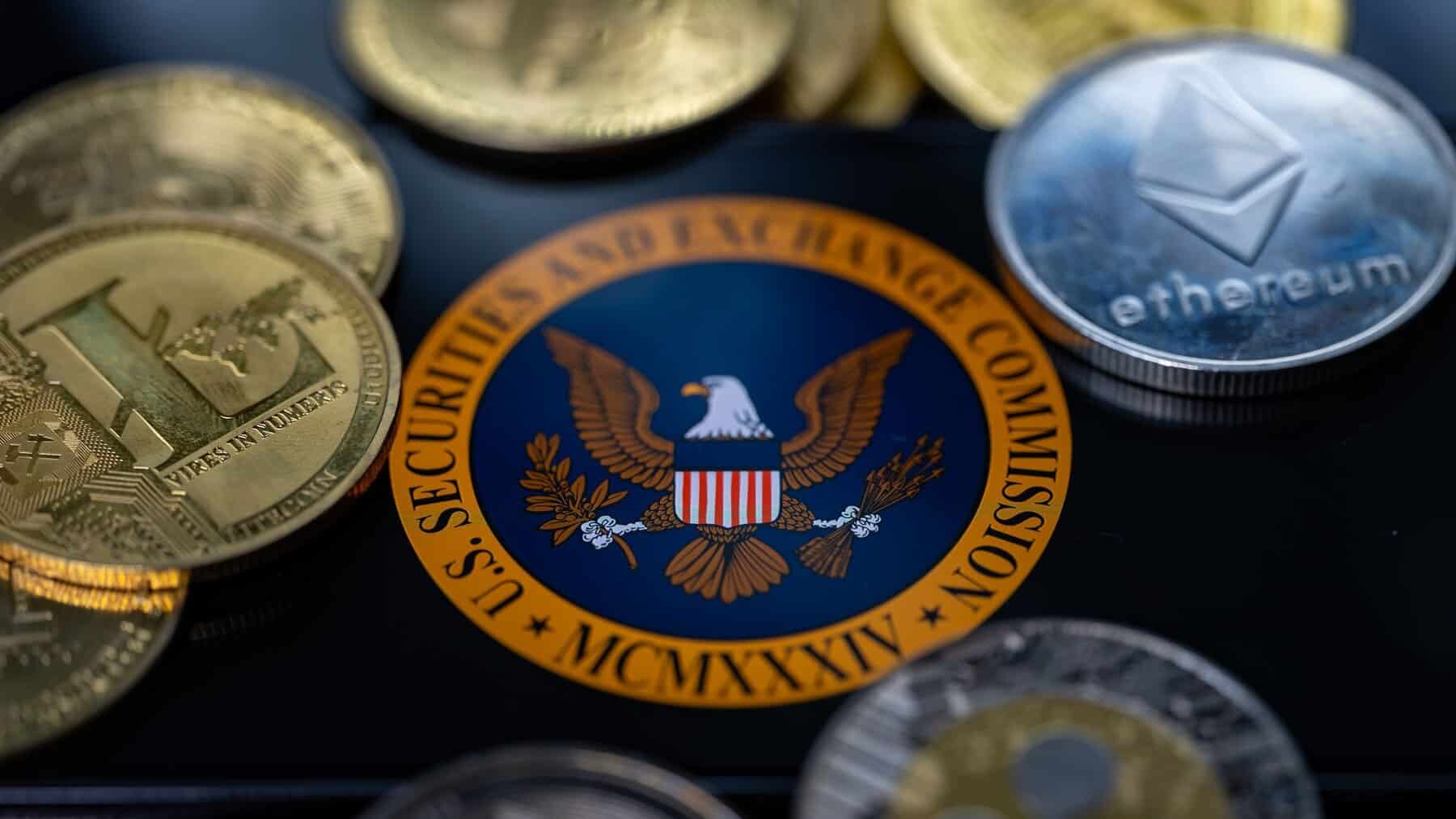

The Securities and Exchange Commission (SEC) is facing intense scrutiny as 18 US states file a lawsuit, accusing it of regulatory overreach. This legal action highlights the growing discontent with the SEC’s influence over the cryptocurrency sector. Key figures in the industry await the outcome eagerly, as this case could reshape the regulatory landscape significantly.
Amidst the legal turmoil, rumours swirl about SEC Chair Gary Gensler’s potential resignation. This development could signal a shift in the SEC’s approach to the oversight of cryptocurrencies. At stake is the future of a sector valued at trillions, with many stakeholders calling for clearer guidelines and fairer enforcement.
States Unite Against the SEC
Eighteen Republican-led states have launched a lawsuit against the SEC and its commissioners, citing unconstitutional overreach. They claim the regulator’s aggressive stance hinders the burgeoning $3 trillion crypto industry. This action represents a collective pushback from states seeking to regain control over regulatory powers traditionally within their jurisdiction.
The lawsuit was filed in a Kentucky district court, spearheaded by Kentucky Attorney General Russell Coleman. Other plaintiffs include prominent Republican attorneys from states like Ohio, Texas, and Florida. The legal challenge underscores a deep-seated frustration with the SEC’s unilateral actions, perceived as encroachments on state authority.
Financial Impact on the Crypto Industry
The suit highlights the substantial financial burden the SEC’s actions have inflicted on the cryptocurrency sector. According to the Blockchain Association, SEC’s litigations have cost the industry $426 million since 2021. Such financial strain poses a threat to innovation and growth. During this time, major crypto players like Binance and Coinbase faced legal challenges, compounding the sector’s instability.
Even amidst these challenges, firms like Ripple have scored legal victories, as observed in the case where a judge declared XRP is not a security. These cases highlight the ongoing legal ambiguity that many argue is stifling the sector’s potential. Ripple’s partial victory has set a precedent, encouraging others to challenge the SEC’s regulatory approach.
Judicial Responses and Implications
Recent court rulings have sometimes favoured crypto firms, questioning the SEC’s authority.
For example, the SEC’s appeal against the Ripple ruling indicates a prolonged battle, with a potential resolution delay until 2026. This ongoing legal saga illustrates the complexity of defining cryptocurrencies within existing security laws. It also reflects the judiciary’s pivotal role in shaping the landscape for digital assets.
As judges navigate these uncharted waters, the SEC’s current strategy faces increased scrutiny. Legal experts argue that without explicit Congressional mandates, the SEC risks overstepping its authority. This debate prompts wider discussions about the need for tailored legislative frameworks to govern the rapidly evolving crypto space.
Political Ramifications
The lawsuit against the SEC arrives amid significant political shifts in the US. With a new administration, led by President Donald Trump, speculation about regulatory changes is rife.
Trump’s administration has hinted at removing Gary Gensler, signalling possible policy shifts towards a pro-crypto stance. Such changes could rebalance the power dynamics between federal agencies and crypto advocates.
Whether these political manoeuvres will bring clarity to the regulatory environment remains uncertain. However, they underscore the importance of aligning regulatory practices with technological advancements.
Ripple’s Strategic Moves Amidst Legal Battles
Ripple’s ongoing legal battle with the SEC over the XRP token continues to affect its market strategies. Despite legal uncertainties, Ripple moved 150 million XRP to a new wallet amid growing settlement speculations.
These strategic financial moves reflect Ripple’s efforts to maintain operational flexibility in a challenging regulatory landscape. Ripple’s case with the SEC serves as a bellwether for the broader industry, potentially shaping future regulatory approaches.
Industry participants closely observe how Ripple navigates these challenges, as its outcomes could influence other firms embroiled in legal disputes with the SEC.
Regulatory Landscape on the Brink of Change
The tension between federal oversight and state autonomy is at the heart of the current regulatory debate.
States are increasingly advocating for more autonomy, arguing that current SEC practices stifle innovation and local economic growth. This tension underscores the need for a balanced regulatory framework that supports both national oversight and state-level initiatives.
As discussions continue, stakeholders emphasise the importance of crafting policies that foster growth while ensuring adequate consumer protections. The path the US chooses now will have lasting implications for the global crypto market.
In response, some states have started drafting their own crypto regulations, aiming to attract businesses fleeing federal oversight.
Broader Economic Implications
The outcome of this legal challenge against the SEC could have profound economic implications.
A decision in favour of the states might encourage more investment in the domestic crypto market, alleviating fears of overregulation. Conversely, a ruling favouring the SEC could reinforce its regulatory grip, possibly driving more companies to seek jurisdictions with clearer and more favourable guidelines.
The verdict could impact investor confidence, affecting market dynamics both domestically and internationally.
Industry Reactions and Future Directions
The crypto industry’s reaction to the lawsuit reveals a spectrum of opinions.
While some firms support the lawsuit, hoping it will lead to regulatory reforms, others express concern over potential uncertainties. The case has sparked debates on how best to regulate a technology that transcends traditional financial systems.
Despite divided opinions, there’s a consensus on the need for clearer guidelines to navigate the complexities of crypto regulation. Many industry leaders call for collaborative efforts between regulators and crypto stakeholders to foster a sustainable environment for innovation.
How the SEC responds will be watched closely by market participants around the globe.
Conclusion and Outlook
The SEC’s legal battles signify a pivotal moment for US crypto regulation.
The resolution of this lawsuit could redefine how cryptocurrencies are perceived and regulated. As the situation unfolds, both investors and innovators watch intently, hoping for outcomes that will encourage growth and stability within the sector.
As the legal battle progresses, its outcome will likely influence the crypto regulatory framework. It’s a critical juncture for the industry, which eagerly anticipates a balanced resolution that supports innovation while protecting stakeholders.

