
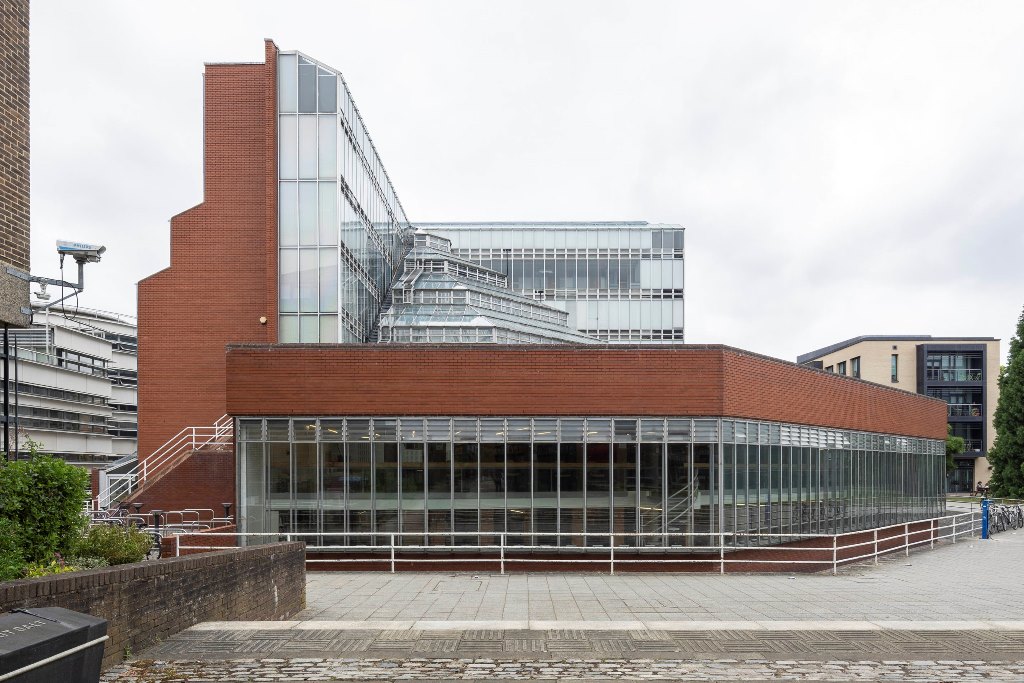

SDC has been commissioned for a transformative project at Cambridge University’s Stirling Building, marking a significant refurbishment and expansion with a budget of £78 million.
- The iconic Grade II* listed building, originally designed by James Stirling, is recognised for its historical and architectural significance.
- Renovation aims to achieve BREEAM Excellent standards, incorporating energy efficiency and sustainable design.
- The project includes adding two new pavilions to enhance library spaces and accessibility.
- A conservation-led approach will be undertaken to preserve the building’s unique architectural features.
Bedford-based SDC has embarked on a momentous task to refurbish and expand Cambridge University’s Stirling Building with an allocated budget of £78 million. Originally completed in 1968 and designed by the renowned architect James Stirling, the building stands as a testament to British modern architecture. Despite its significant status, it no longer meets modern standards, prompting the need for its current revitalisation efforts.
The Grade II* listed Stirling Building, which houses the University of Cambridge’s history faculty and the Seeley Library, is set to undergo a significant transformation. The refurbishment aims to achieve BREEAM Excellent standards, ensuring reduced energy consumption and minimised solar gain. These upgrades will align with contemporary environmental and energy efficiency benchmarks.
Central to the renovation are two new pavilions designed to increase library and reading spaces, ultimately enhancing accessibility for patrons and staff. This endeavour not only focuses on augmenting physical spaces but also enriches the overall user experience within the Stirling Building, encouraging a more collaborative and accessible environment.
Taking a conservation-led approach, SDC and the project architect, BDP, emphasise the preservation of the building’s distinctive style and features. Efforts will concentrate on restoring original materials, including glazing, to maintain the unique architectural identity conceived by Stirling. This careful balance of innovation and preservation ensures that the building continues to resonate with its historical essence while meeting contemporary requirements.
BDP architect director Jessica Mailey elaborated on their vision, highlighting the symbolic nature of the building as a ‘community of students and teachers with knowledge at its physical and symbolic heart’. Their strategy involves adapting communal areas to foster flexible and inspiring spaces, mindful of the University’s dynamic needs.
Arup’s involvement brings expertise in heritage, civil, structural, and façade engineering. Arup senior architect Graham Epking-Crane commented on the original design’s ‘remarkable formal inventiveness’ and affirmed their commitment to preserving its engineering marvels while updating the building to secure its future.
Lastly, SDC director Dan Changer expressed the firm’s enthusiasm in addressing the project’s inherent challenges, specifically balancing heritage conservation principles with technical demands. This collaboration underlines a united commitment to restoring an architectural gem to its full, modern potential.
The Stirling Building project embodies a thoughtful intersection of heritage preservation and modern innovation, ensuring its significant legacy endures.

