

The Strategic Timber Transport Fund allocates £800,000 to aid Scottish timber hauliers.
- Nine projects will enhance fragile rural roads, passing places, and short routes to protect residential areas.
- Key projects include 17 passing places on a critical road in Dumfries and Galloway and a new route at Moss of Cree.
- The fund is part of a broader £1.2 million initiative promoting eco-friendly timber transportation, like the TimberLINK project.
- Stakeholders collaborate for sustainable future, transcending initial transportation focus.
The Strategic Timber Transport Fund has allocated £800,000 to support infrastructure projects aimed at benefitting Scottish timber hauliers. This financial injection is designed to enhance fragile rural roads, create passing places, and develop short routes that divert heavy timber traffic away from residential areas, thus minimising community disruption and promoting safer transportation methods.
Among the nine projects receiving funding, significant developments include the construction of 17 passing places on the C102a single-track road in Dumfries and Galloway. This area is frequently traversed by timber lorries, creating a pressing need for improved traffic management solutions. Additionally, a new route at Moss of Cree will facilitate safer transport of timber at Lamachan and Carty Bridge along the C15W public road, enhancing access and operational efficiency for the timber industry.
The Strategic Timber Transport Fund’s initiative is part of a more extensive £1.2 million programme supporting environmentally sustainable timber transport. This broader initiative includes ongoing projects such as the TimberLINK coastal shipping project, which leverages maritime routes to move approximately 100,000 tonnes of timber, reducing road traffic.
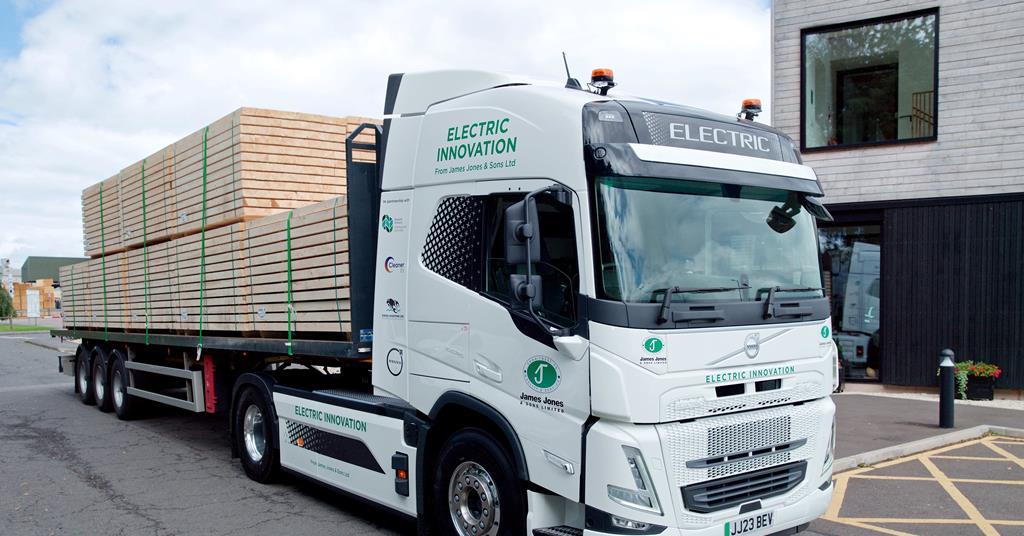
Furthermore, Scottish Forestry is pioneering a three-year electric timber lorry trial in collaboration with local companies, including James Jones & Sons, in an effort to decarbonise the transport sector. This trial, nearing the end of its first year, aims to evaluate the logistical viability of electric timber lorries in the south of Scotland and the Highlands.
Mairi Gougeon, Rural Affairs Secretary, highlighted the economic significance of Scotland’s forest industries, which generate around £1 billion annually and support approximately 25,000 jobs. She emphasised the importance of innovative transport solutions in maintaining this sector’s economic contribution while mitigating environmental impacts.
Dr William Clark from Scottish Forestry noted the strategic scheme’s evolution into a broader platform for collaboration among various stakeholders. These efforts reflect a commitment to achieving a sustainable future that balances economic growth with environmental stewardship.
The collaborative approach of the Strategic Timber Transport Fund exemplifies progress towards sustainable timber transport in Scotland.

