
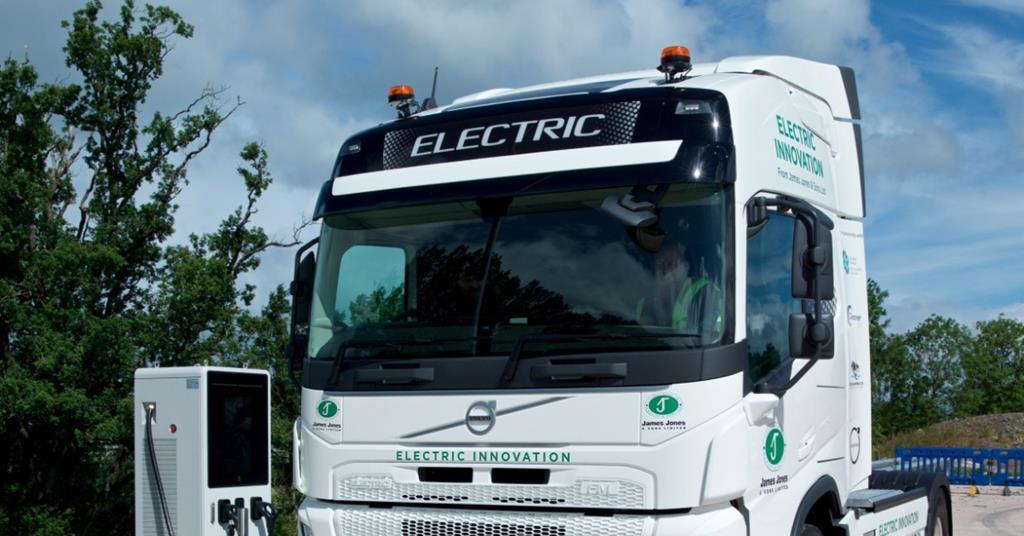

Scotland outlines a progressive plan to decarbonise the haulage sector by 2029, making zero-emission trucks a priority.
- The HGV Decarbonisation Pathway addresses infrastructure, financial models, technological confidence, and workforce skills.
- A comprehensive understanding of Scotland’s energy infrastructure is essential for supporting zero-emission trucks.
- The goal is to instil confidence in operators with a diverse range of zero-emission trucks available by 2029.
- Concerns over infrastructure support and financial barriers are being tackled through a joint effort across sectors.
The Scottish government has embarked on a transformative journey to decarbonise the haulage industry by 2029, aiming to equip transport firms with zero-emission trucks weighing up to 44 tonnes. This ambitious plan, known as the HGV Decarbonisation Pathway, tackles key challenges in infrastructure, financial modelling, technological assurance, and workforce readiness. It is the culmination of collaborative efforts with the logistics and energy sectors.
Over the next two years, a pivotal focus will be on grasping the nuances of Scotland’s energy infrastructure requirements. This understanding is crucial as it is anticipated that electricity markets will need to adapt to meet evolving commercial demands. By 2029, the ambition is for operators of all sizes to be well-informed and confident in the available technical and financial solutions, enabling access to zero-emission trucks where infrastructure permits.
The strategic partnership, as underscored by Transport Cabinet Secretary Fiona Hyslop, is a critical enabler in the transition towards sustainable transport. She emphasised the indispensability of a collective approach in overcoming the substantial greenhouse gas emissions associated with freight movement. Through understanding and addressing transition hurdles, this partnership seeks to facilitate a seamless shift to zero-emission vehicles.
Chris Ashley, who leads environment policy at RHA, highlights the intricacies of decarbonising lorries while maintaining public service expectations. He sheds light on the structural barriers such as financing and requisite energy infrastructure that need addressing.
Meanwhile, Gerry Keaney, CEO of BVRLA, commends Scotland’s leadership in advancing the transition to greener trucks. He stresses the urgency of exploring sustainable alternatives to conventional vehicles, noting the progress seen in the car sector, albeit the different scale of challenges posed by trucks. Keaney advocates for concerted efforts to ensure the transition does not stall prematurely.
Scotland’s concerted efforts in decarbonising haulage represent a proactive step towards a sustainable future.

