
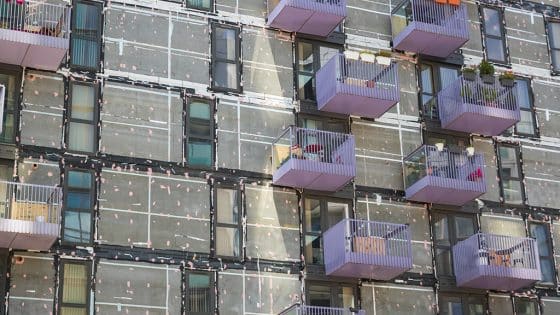

The Scottish Government is set to introduce a building safety levy aimed at generating £30m annually, as per a newly released document.
- This levy aligns with the Building Safety Act 2022 implemented in England, aiming to raise £3bn annually for similar purposes.
- Scottish Finance Secretary, Shona Robison, highlighted the urgency in addressing unsafe cladding across the nation’s high and medium-rise buildings.
- Scotland’s levy, similar to England’s, proposes exemptions for specific building types, while considering developer turnover and project scale.
- Consultation on the proposed levy will remain open until 18 November 2024, inviting public discourse on the matter.
In a strategic move to enhance building safety, the Scottish Government has announced plans to introduce a new building safety levy, expected to generate around £30m annually. This initiative reflects a proactive approach towards ensuring the safety of residents living in buildings with potentially dangerous cladding.
The proposed Scottish levy takes inspiration from the Building Safety Act 2022 in England, seeking to secure £3bn per annum. It targets raising funds particularly from developers to finance the remediation of hazardous building materials. As expressed by Scotland’s Finance Secretary, Shona Robison, there is a concerted effort to enlist public opinion on these proposals, underlining the societal importance of such legislative measures.
The Scottish government has identified approximately 1,000 high-rise and 5,000 medium-rise buildings that may fall under the scope of this programme. However, efforts are still underway to confirm these numbers. Remarkably, only one building in Scotland has been remediated since a £97.1m grant was allocated by the UK government back in March 2020, leaving a significant portion of the funds underutilised.
This levy will not see implementation before April 2026, allowing ample time for detailed planning and consultation. Similar to its English counterpart, Scotland’s levy will not apply to developments with fewer than 10 homes by SME developers, also exempting affordable housing, hotels, hospitals, and care homes. However, Scotland’s approach uniquely considers annual turnover and yearly home construction numbers relative to SME protection, diverging from England’s plot size consideration.
Further, discussions are ongoing regarding the calculation methodology of the levy, with a preference towards relating it to the market value and sale price of properties. Potential reductions on levies for projects on brownfield sites are also under consideration, mirroring England’s strategic framework.
Robison expressed optimism regarding the alignment of developers towards the shared goal of safety: “I know that developers share our determination to keep people safe and have continued to make significant progress.” Such sentiments echo a broader commitment to a collaborative approach in tackling safety defects across Scotland.
The ongoing consultation for Scotland’s building safety levy represents a significant step towards addressing critical safety concerns, with the potential for meaningful impact post-2026.

