

With energy costs continuing to impact households across the UK, many homeowners are looking for practical ways to reduce their monthly outgoings. While heating systems and insulation often get the most attention, one area that is frequently overlooked is lighting.
It may seem like a small part of overall energy usage, but lighting plays a consistent role in daily consumption. Over time, inefficient choices can quietly add to household bills without being immediately noticeable.
The good news is that upgrading your lighting is one of the simplest and most cost-effective ways to improve energy efficiency.
Why Lighting Still Matters
Lighting is used throughout the home every single day, from kitchens and living spaces to outdoor areas. Because of this regular use, even small inefficiencies can build up over time.
Older bulbs and outdated fixtures often consume more energy than necessary. They also tend to have shorter lifespans, meaning they need to be replaced more frequently.
This combination of higher energy usage and ongoing replacement costs makes traditional lighting more expensive than it first appears.
The Shift to Energy-Efficient Lighting
In recent years, there has been a clear shift towards more efficient lighting options.
LED technology has become the standard for modern homes, offering significantly lower energy consumption compared to older bulb types. At the same time, improvements in design mean that energy efficiency no longer comes at the expense of appearance.
Homeowners can now choose lighting that is both functional and visually appealing, without increasing their energy usage.
This shift is helping to change how lighting is viewed — from a basic necessity to an opportunity for cost savings.
How It Reduces Energy Bills
The financial benefit of upgrading lighting comes down to efficiency.
Modern lighting uses less electricity to produce the same level of brightness. This means that for every hour your lights are on, you are using less energy compared to older alternatives.
Over the course of a year, this reduction can become noticeable, particularly in households where lighting is used frequently.
While the savings from a single bulb may seem small, the combined effect across an entire home can make a meaningful difference to overall energy costs.
Long-Term Value Beyond Immediate Savings
One of the key advantages of modern lighting is its longevity.
Energy-efficient bulbs typically last much longer than traditional options, reducing the need for regular replacements. This not only saves money but also reduces the inconvenience of ongoing maintenance.
When viewed over several years, the combination of lower energy usage and longer lifespan creates a strong financial case for upgrading.
Rather than being a short-term fix, it becomes a long-term improvement.
Smarter Lighting for Better Control
Beyond the bulbs themselves, the way lighting is used can also influence energy costs.
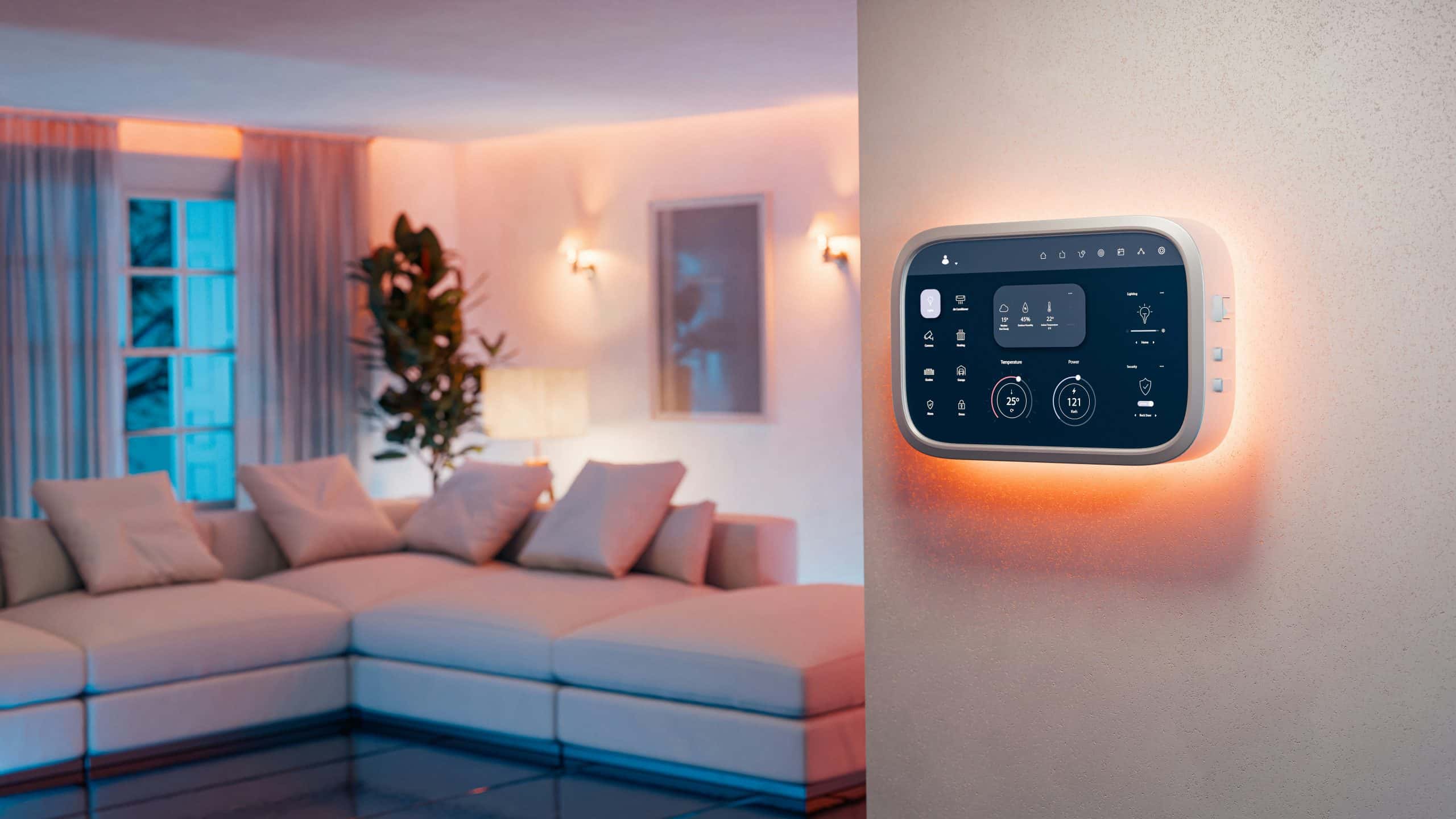
Smart lighting systems allow homeowners to control when and how lights are used. Features such as timers, motion sensors, and remote control via apps can help reduce unnecessary usage.
For example, lights can be set to turn off automatically when a room is empty or adjusted based on time of day.
This level of control ensures that energy is not wasted, further improving efficiency.
More Than Just Cost Savings
While reducing bills is a major benefit, upgrading lighting also improves the overall experience of a home.
Better lighting can enhance comfort, improve visibility, and create a more inviting environment. It can also highlight key features of a property, both inside and out.
For homeowners considering long-term improvements, this added value is an important factor.
Choosing the Right Approach
Not all lighting upgrades deliver the same results.
The effectiveness of an upgrade depends on the quality of the products used, the layout of the lighting, and how it is integrated into the home. A well-planned approach can maximise both efficiency and visual impact.
For those looking to improve both performance and design, exploring modern lighting solutions for homes can help identify options that balance energy efficiency with style and practicality.
A Simple Upgrade with Real Impact
Compared to other home improvements, upgrading lighting is relatively straightforward.
It does not require major structural work, and changes can often be made gradually rather than all at once. This makes it an accessible option for homeowners looking to improve efficiency without a large upfront investment.
Despite its simplicity, the impact can be significant.
Final Thoughts
As households continue to look for ways to manage energy costs, lighting is becoming an increasingly important part of the conversation.
By choosing more efficient options and using lighting more effectively, homeowners can reduce energy usage, lower their bills, and improve the overall performance of their property.
In many cases, it is the smaller changes that make the biggest difference over time.

